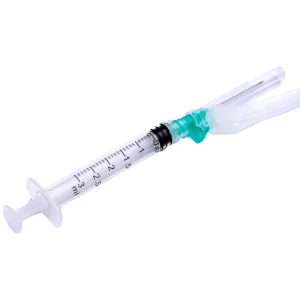
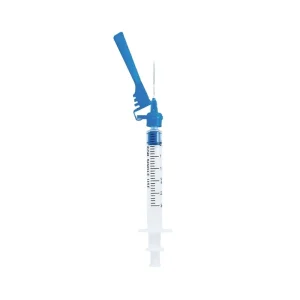
Engineered for minimal product wastage and optimal patient comfort, complying with rigorous JIS standards.
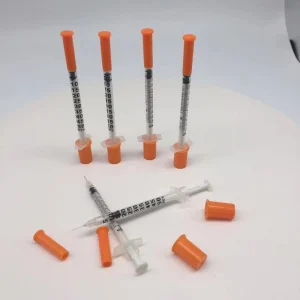
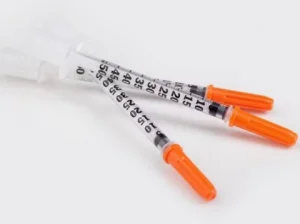
Japan’s aesthetic medicine market represents one of the most mature, quality-centric, and technologically demanding spaces globally. From major clinical clusters in Tokyo's Ginza and Shinjuku districts to premium medical networks across Osaka and Nagoya, the shift toward non-surgical cosmetic interventions is accelerating. Micro-injections—including hyaluronic acid dermal fillers, botulinum toxins, platelet-rich plasma (PRP), and vitamin-infused mesotherapy cocktails—have superseded traditional surgical options due to their minimal downtime and subtle, natural outcomes.
For Japanese medical practitioners, the syringe is not a simple commodity; it is a critical interface of clinical delivery. Sourcing syringes requires strict compliance with Japan’s Pharmaceuticals and Medical Devices Act (PMDA). Equipment must adhere to rigorous sterile barrier packaging norms, biocompatibility tests (ISO 10993), and precise low dead space (LDS) engineering. Minimized dead space directly correlates to reducing the loss of highly valuable aesthetic active substances, which can significantly lower clinical overhead margins.
"Japanese dermatologists and cosmetic surgeons demand an ultra-fine cannula integration, typically 30G to 34G, combined with highly transparent barrels that afford micro-dosing controls down to 0.01 ml increments."
Our ongoing analyses of Japanese aesthetic procurement practices reveal three distinct market transitions:
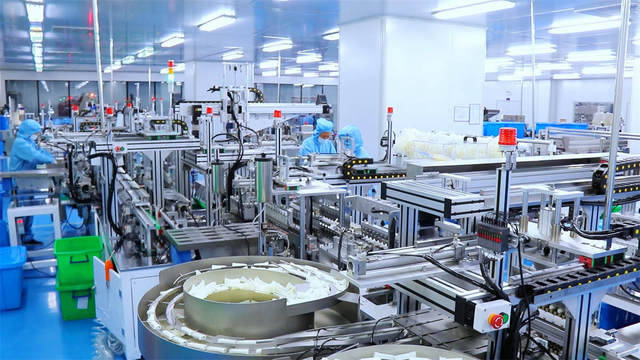
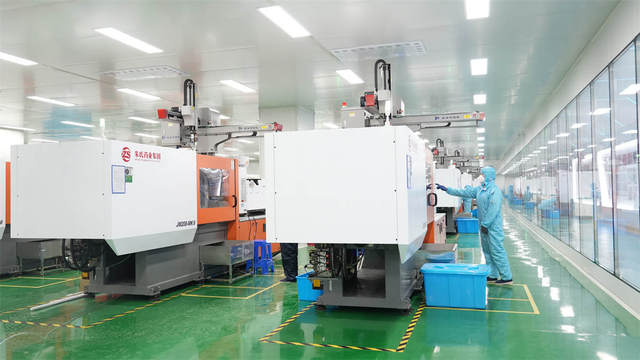
JZCare Medical addresses these requirements by integrating state-of-the-art automation and advanced raw materials that withstand strict quality control assays.
Combining industrial scale, raw-material cost optimization, and premium quality parameters to secure high-yield distribution pipelines.
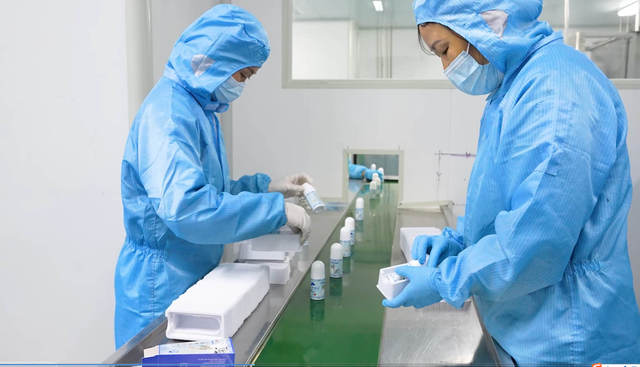
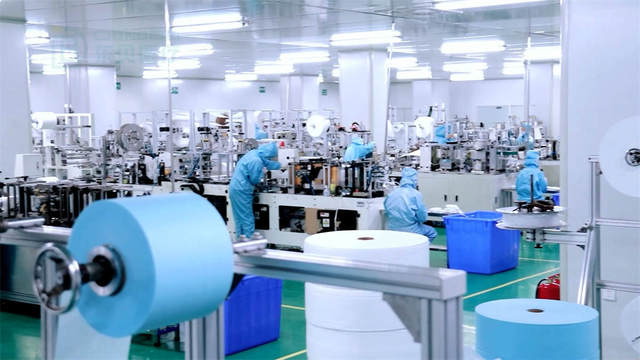
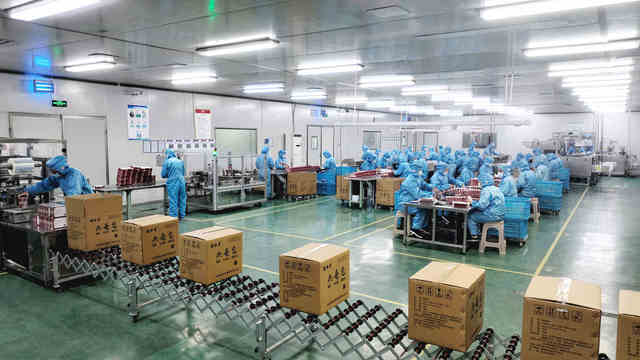
Manufactured within environmental chambers monitoring bioburden, airborne particulate limits, and strict relative humidity to assure absolute sterile integrity.
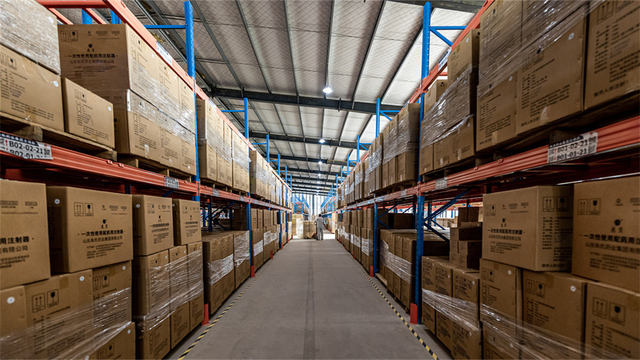
Fully traceable supply chain management, utilizing raw materials imported from top global polymer suppliers to deliver pyrogen-free components.
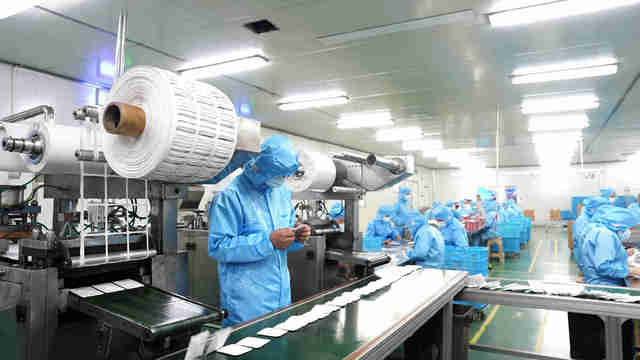
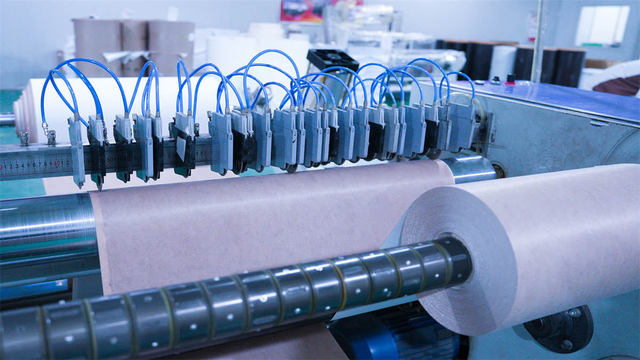
Advanced continuous micro-assembly machines minimize manual operations, ensuring high dimensional consistency and low unit costs.
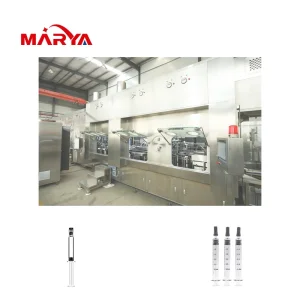
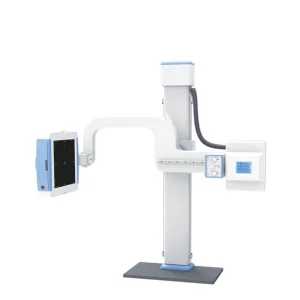
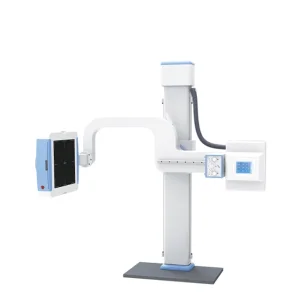
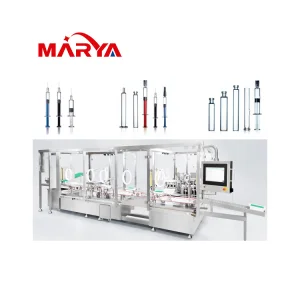
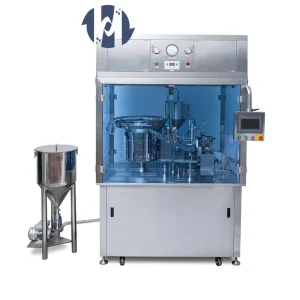
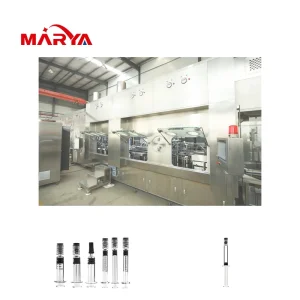
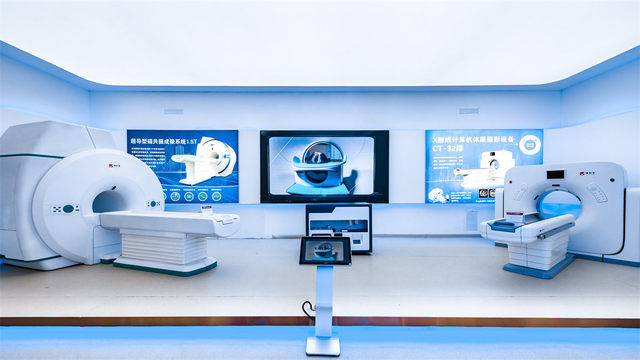
In addition to consumable medical syringes, we deliver high-performance automated filling infrastructure and diagnostics for modern clinic integrations.
In premium medical aesthetics, the compatibility between the injector syringe system and high-viscosity dermal fillers (e.g., highly cross-linked hyaluronic acid) is a critical performance factor. Typical syringe configurations suffer from substantial residue traps within the needle hub and barrel neck. When clinical operations deploy high-cost active pharmaceutical ingredients (APIs)—such as specialized dermal fillers, botulinum toxin A, or recombinant growth factors—residual volume waste can lead to significant financial loss.
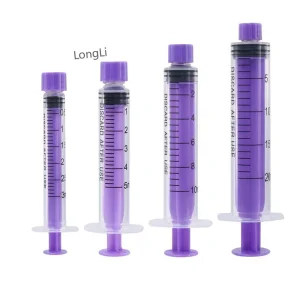
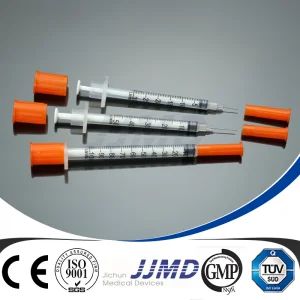
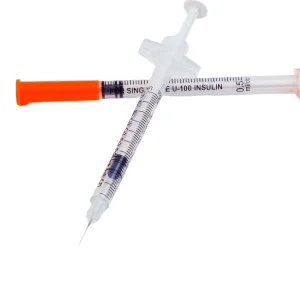
Our engineered Low Dead Space (LDS) Syringes address this challenge. By designing custom plunger hubs with integrated elastomeric tips, we minimize dead space down to less than 0.002 ml, achieving considerable drug savings per injection cycle. This design helps modern aesthetic clinics manage raw fluid economics effectively.
Japanese pharmaceutical and skincare brands are increasingly adopting prefilled delivery methods. A prefilled syringe mitigates potential clinic-side dosing inaccuracies, eliminates contamination risks associated with manual decanting, and extends the shelf-life stability of advanced active compounds.
Our comprehensive production facility provides integrated OEM and ODM custom setups. We coordinate all system components: high-grade neutral borosilicate glass or high-barrier cyclic olefin polymer (COP) barrels, high-density chlorobutyl rubber plungers, and protective tip caps. This full-spectrum manufacturing approach enables Japanese developers to move efficiently from R&D trials to commercial distribution.
Our mechanical research team conducts rigorous testing on puncture force, slider force, and structural blowout stress, validating that JZCare products meet or exceed the performance parameters expected in high-end cosmetic surgeries.
Explore our highly scalable cleanroom production solutions, primary packaging assemblies, and clinical consumables designed for global medical distributors.
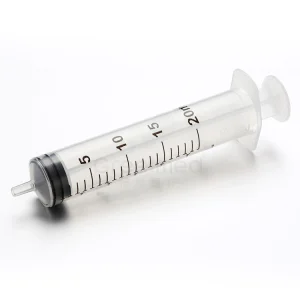
Hangzhou JZCare Medical Co., Ltd. is a professional medical consumables manufacturer specializing in disposable medical syringes, sterile injection devices, and high-quality healthcare disposable products for global medical markets. Established in 2011 and located in Hangzhou, China, the company integrates research and development, precision injection molding, automated production, sterilization processing, and global OEM/ODM services.
By adopting high-precision manufacturing technology, medical-grade materials, and rigorous sterilization processes, JZCare ensures reliable performance and patient safety in every product. Driven by continuous innovation and global healthcare demand, JZCare Medical Co., Ltd. is committed to providing safe, efficient, and cost-effective medical disposable solutions while maintaining strong partnerships with international clients through stable quality, flexible customization, and professional service support.
Schedule a Factory Virtual Inspection TourComprehensive technical and regulatory information supporting supply operations for Japanese cosmetic networks and global distributors.
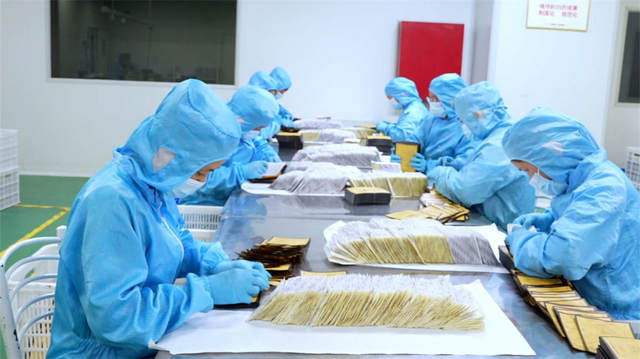
Verifiable views of our Class 100,000 Cleanroom workshops, automated packaging zones, and raw material warehouses.
 JZCare Syringe