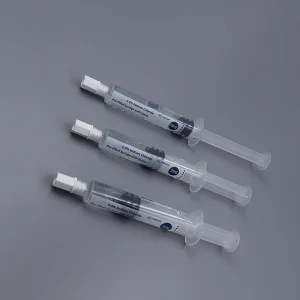
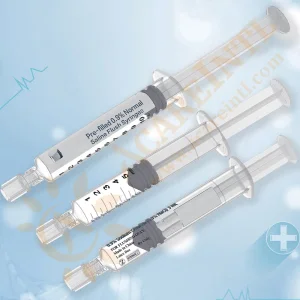
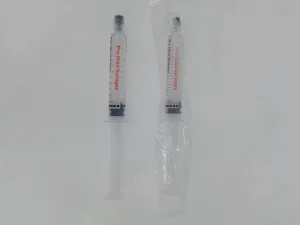
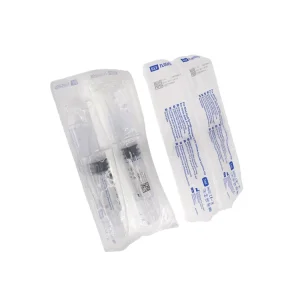
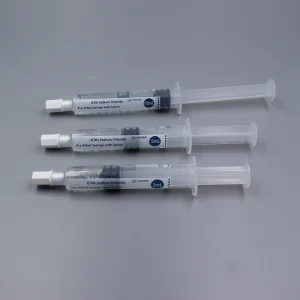
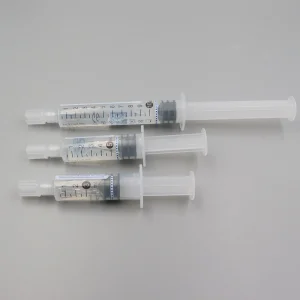
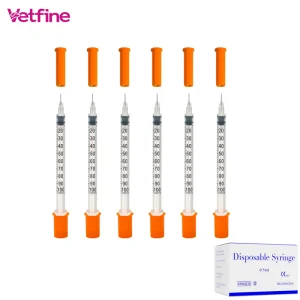
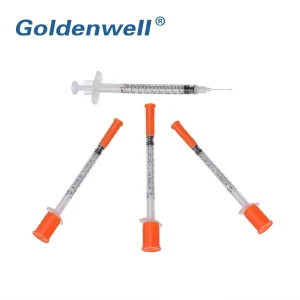
Engineered to strict clinical profiles under Class 100,000 cleanroom compliance, featuring high-grade saline and specialized syringe systems.
Annual Units Capacity
Standard Production Base
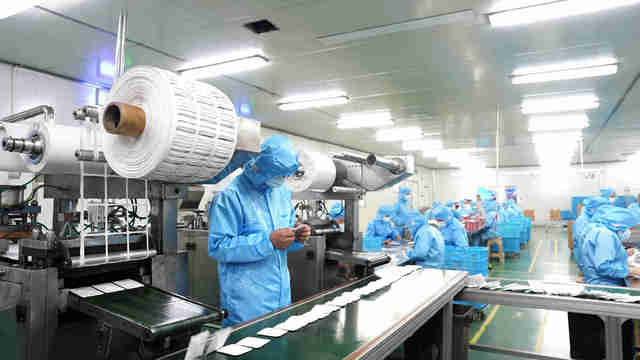
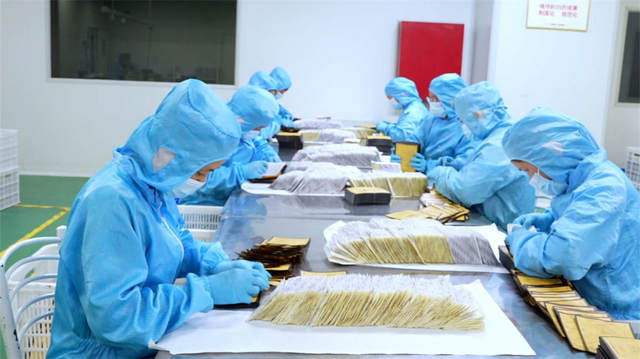
Certified Cleanroom Workshops
Terminal Sterilization Efficacy
In modern clinical healthcare ecosystems, the integrity of vascular access devices is paramount to patient outcomes. The transition from manual saline preparation (using multi-dose vials and manual syringe aspiration) to standardized prefilled saline IV flush syringes represents one of the most critical advances in patient safety and clinical workflow optimization. Manual preparation introduces significant risks, including bacterial contamination, drug preparation errors, needle-stick injuries, and inefficient clinical time allocation.
As a global leader in high-volume medical manufacturing, Hangzhou JZCare Medical Co., Ltd. (established in 2011) has engineered a world-class manufacturing standard to address these systemic industry pain points. This document provides a deep-dive analysis of the global commercial landscape, regulatory hurdles, manufacturing excellence, material chemistry, and technical advancements of prefilled saline syringes, serving as an authoritative blueprint for medical distributors, health authorities, and procurement heads worldwide.
Catheter-Related Bloodstream Infections (CRBSIs) are a substantial burden to global healthcare systems, escalating hospital expenses and extending patient stays. Manual flushing processes present several risk vectors:
The Prefilled Solution: Prefilled flush syringes (containing 0.9% Sodium Chloride solution manufactured under USP/EP pharmacopeia guidelines) eliminate these preparation vectors. Delivering a pre-sterilized, pre-labeled, single-use device directly to the bedside ensures 100% adherence to zero-contamination protocols. Furthermore, research indicates that adopting prefilled syringes saves approximately 30 to 45 seconds of nurse labor per flush, recapturing valuable hours for direct patient care across busy wards.
The global market for prefilled syringes is expanding rapidly due to rising demand for point-of-care treatments, home infusion therapy, and strict hospital safety regulations. While North America and Western Europe represent mature markets with high penetration of prefilled flushes, developing economies across Asia-Pacific, Latin America, and the Middle East are transitioning to these products to satisfy modern accreditation requirements (e.g., Joint Commission International compliance).
However, the global supply chain for prefilled flush syringes faces regular bottlenecks. Many suppliers encounter challenges related to:
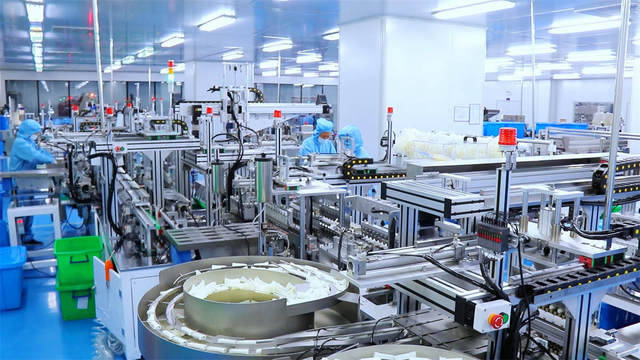
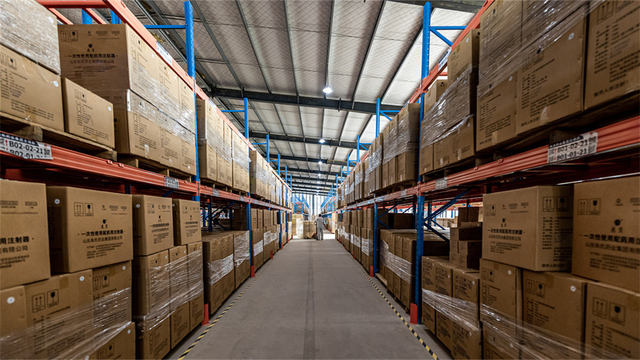
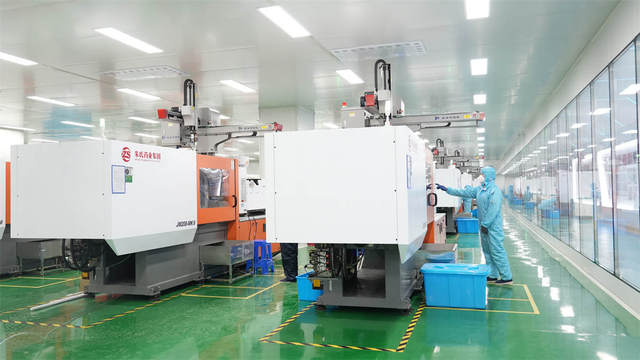
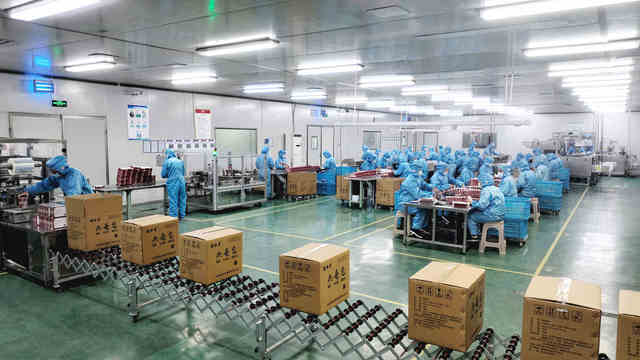
JZCare's Resilient Supply Model: Strategically situated in Hangzhou, China, JZCare addresses these challenges by controlling key aspects of production. Utilizing our 26,000 square meter facility and over 300 highly specialized personnel, we manage high-precision injection molding, syringe assembly, formulation, and sterilization in-house. Our annual output capacity of over 1.5 billion units guarantees supply security to global distributors, clinical consortia, and national health ministries.
We source ultra-pure polypropylene with low extractable profiles to prevent chemical migration into the sterile saline, satisfying the demanding requirements of USP <661>.
Our syringes feature structured barrel designs and specialized plunger tips that eliminate the negative pressure rebound that causes blood reflux and catheter occlusion.
Utilizing high-performance steam autoclaving (terminal sterilization) to achieve a Sterility Assurance Level (SAL) of 10-6, surpassing baseline requirements.
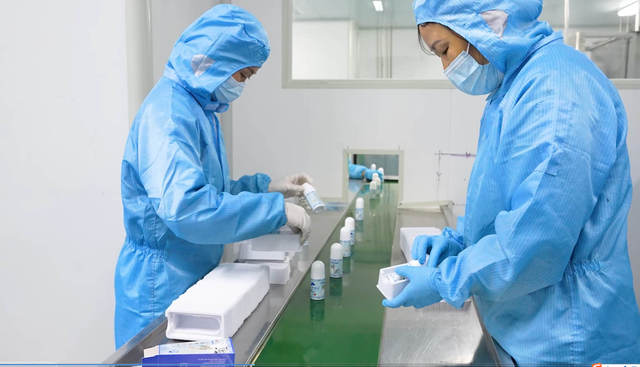
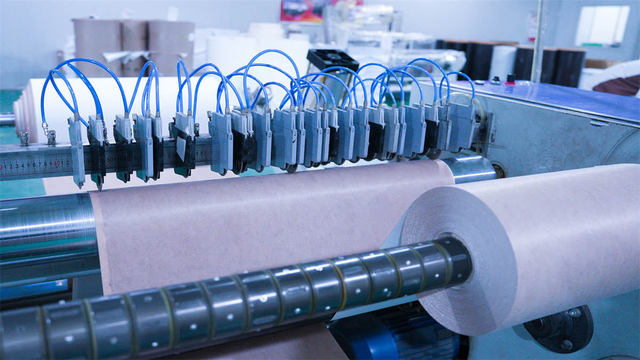
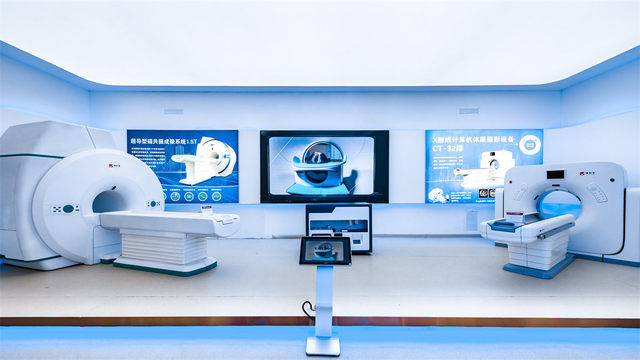
Manufacturing sterile prefilled saline syringes requires exceptional engineering control. At JZCare, we employ advanced technological solutions across our production cycle:

Vascular access components are classified as medical devices (Class IIa in the EU, Class II in the US) and must comply with international harmonized standards. JZCare's manufacturing facility maintains a robust quality management framework, ensuring global market eligibility:
Selecting the correct syringe size and fill volume is crucial for maintaining line patency and matching patient-specific needs. Below is the technical specification breakdown for standard clinical settings:
| Syringe Size (ml) | Fill Volume (ml) | Luer Type | Primary Application Scenario | Rebound Control |
|---|---|---|---|---|
| 3 ml | 3 ml | Luer Lock | Pediatric lines, peripheral IV maintenance, low-volume flushes | Fully Integrated |
| 5 ml | 3 ml / 5 ml | Luer Lock | Standard peripheral lines, post-medication flushing | Fully Integrated |
| 10 ml | 5 ml / 10 ml | Luer Lock | Central Venous Catheters (CVC), PICC lines, port-a-caths | Fully Integrated (Reduced Pressure) |
| 20 ml | 10 ml / 20 ml | Luer Lock | High-flow lines, multi-lumen central lines, post-imaging flushes | Fully Integrated |
Pressure and Syringe Sizing: Standard medical guidelines require a 10ml syringe barrel diameter for flushing central lines, even when using lower fill volumes. This is because smaller syringe barrels (e.g., 3ml) generate higher internal pressure, which can damage catheter membranes. Our 10ml syringe bodies are designed to limit manual pressure while accommodating 3ml, 5ml, and 10ml fill volumes, ensuring safer flushing procedures.
Vascular access protocols vary depending on clinical environments and regional guidelines. The utility of JZCare prefilled syringes is optimized for several key clinical contexts:
JZCare invests in research and development to align with emerging trends in vascular access technology:
A smaller syringe barrel (such as 3ml) generates significantly higher pressure per square inch (PSI) when manual force is applied, which can rupture fragile catheter materials. A 10ml syringe barrel distributes manual pressure more safely, protecting both PICC and Central Venous Catheters from high-pressure damage.
Our terminally sterilized prefilled saline syringes have a validated shelf-life of up to 3 years when stored between 5°C and 30°C, protected from light and direct moisture. The high-barrier packaging ensures solution concentration and sterility remain stable over the lifetime of the product.
Aseptic filling involves assembling pre-sterilized components and solution in a cleanroom. Terminal sterilization processes the fully assembled syringe and saline solution through pressurized steam sterilization. This provides a higher Sterility Assurance Level (SAL 10-6), minimizing contamination risks.
Yes, JZCare prefilled flush syringes are manufactured without natural rubber latex, DEHP, or other phthalate plasticizers. This reduces the risk of allergic reactions and chemical leachables during infusion therapies.
Absolutely. We offer flexible OEM/ODM options, including customized fill volumes (e.g., 2ml, 3ml, 5ml, 10ml), unique label designs, specific barcode formats, and bulk packaging configurations to suit national hospital systems and regional distributor networks.
JZCare provides a full technical documentation file, including ISO 13485:2016 certification, CE mark declaration, and EU MDR (2017/745) compliance credentials, ensuring smooth customs processing and regional distribution.
Our elastomeric plungers are treated with specialized medical-grade silicone oil to minimize friction while preventing chemical migration. We test plunger-container interaction through accelerated stability trials, ensuring chemical neutrality.
Standard lead times range between 30 and 45 days from order confirmation, depending on customization requirements. Our high production capacity of 1.5 billion units annually ensures quick turnaround times for large-scale orders.
Explore our broader range of medical consumables, including precise delivery systems, capping systems, and diagnostic equipment.
 JZCare Syringe