A select showcase of regulatory-compliant medical delivery devices, custom injection kits, and specialized diagnostic instruments.
In the modern pharmaceutical and healthcare landscapes, the demand for highly efficient, sterile, and precise drug delivery mechanisms has accelerated at an unprecedented rate. The Multi-dose Injection System market represents a critical intersection of biomedical engineering, polymer science, and clinical safety compliance. Unlike traditional single-use ampoules, a multi-dose injection system offers structured, variable, or fixed dosing regimens across multiple administrations from a single reservoir, optimizing medication usage and decreasing manufacturing margins globally.
This industry whitepaper explores the technological paradigms of multi-dose injection systems, their global manufacturing supply chains, regulatory environments, and sourcing considerations. Designed for procurement managers, medical device distributors, and pharmaceutical manufacturers, this document analyzes the production efficiencies and quality validation frameworks necessary to evaluate top-tier suppliers, highlighting the dynamic role of Chinese manufacturing clusters in maintaining sterile integrity and scalable output.
The global market for injection systems is undergoing a rapid transition toward self-administration, home care integration, and veterinary cost management. Multi-dose injection systems are predominantly used in chronic disease pathways—such as diabetes management (insulin pens), growth hormone deficiencies, fertility treatments, and emergency therapies—as well as intensive agricultural veterinary protocols. The primary drivers for adopting these systems include:
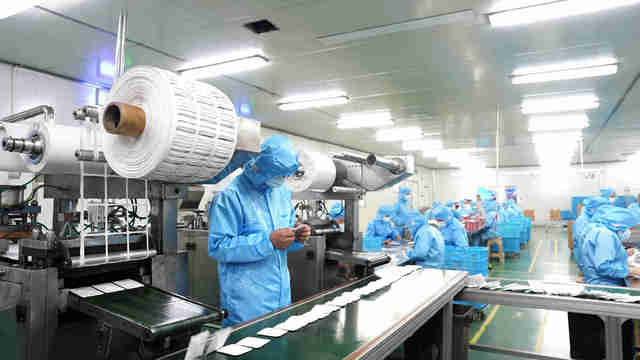
China has solidified its position as the premier manufacturing hub for medical consumables and high-volume sterile injection devices. Factories in regions like Zhejiang and Jiangsu leverage comprehensive downstream supply chains, combining raw material synthesis (medical-grade polypropylene, elastomer formulation) with advanced automated assembly networks. The efficiency of a leading-edge Chinese factory like Hangzhou JZCare Medical Co., Ltd. is characterized by:
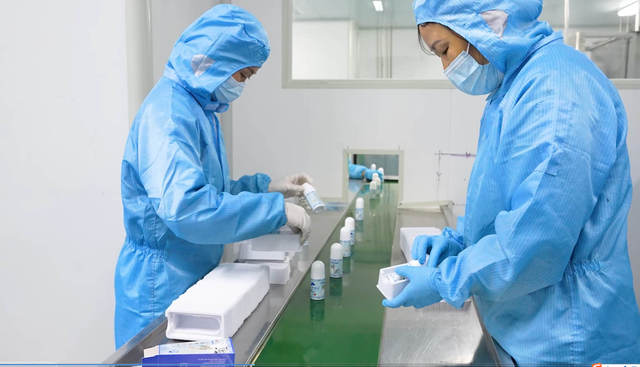
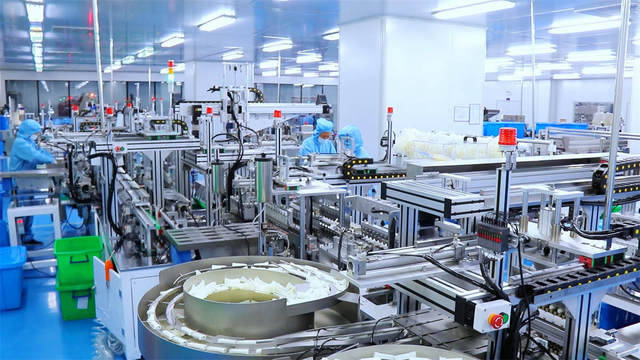
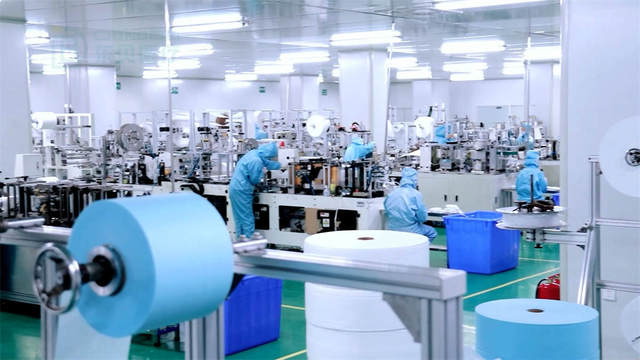
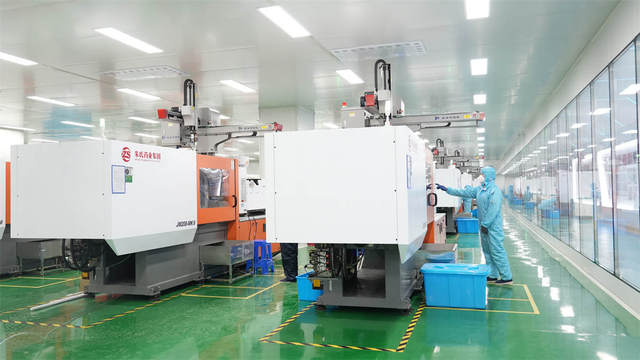
To prevent medication leakage and ensure fluid bypass protection, syringes and multi-dose components must be molded with extremely tight dimensional tolerances. Advanced Chinese facilities utilize high-speed electric injection molding machinery in ISO-certified cleanrooms, preventing particulate contamination down to the micrometer level.
Top-tier factories integrate ETO (Ethylene Oxide) or Gamma-ray sterilization complexes directly within or adjacent to the manufacturing footprint. This drastically minimizes transit times, lowers the risk of environmental cross-contamination, and accelerates lead times for global medical distributors.
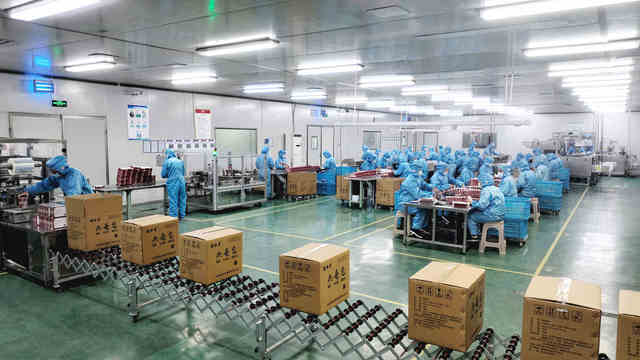
High levels of automation reduce labor variables, allowing factories to achieve highly competitive unit costs while maintaining structural consistency.
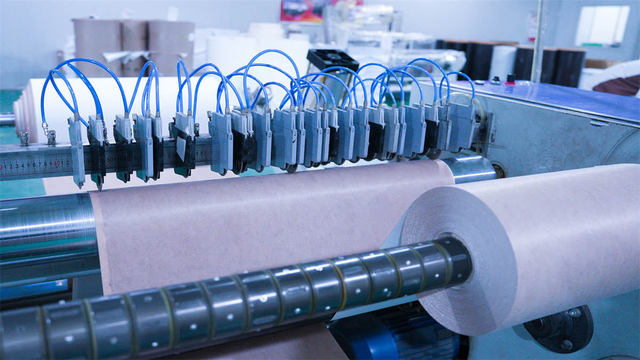
Automated visual inspection systems scan components on the fly, checking for graduation line clarity, needle defects, and assembly alignments.
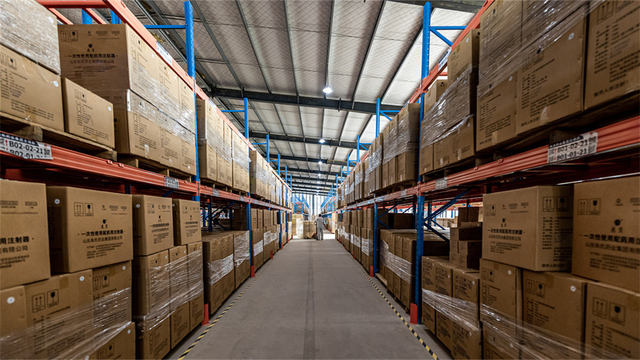
With production capacities scaling past 1 billion units per annum, global buyers secure pricing safety and steady supply pipelines.
For international procurement directors, identifying the correct multi-dose delivery variant involves mapping strict technical requisites to product designs. Key attributes that must be scrutinized during supplier audits include:
Multi-dose pen injectors or dial-up dosing systems require precise internal gearing. A variance of even 0.05mm in the plastic thread can result in inaccurate dosing. When evaluating a supplier, buyers must ask for verification protocols regarding structural consistency and injection molding tolerances.
Medical plastics must be fully compliant with ISO 10993 (Biological Evaluation of Medical Devices). Materials must not interact with the target therapeutic solution. Choosing medical-grade polypropylene (PP) that resists degradation from formulation additives or saline solutions is non-negotiable.
Especially with high-cost biologics, low dead-space (LDS) syringe design is critical. The design must ensure that the residual volume left in the syringe tip or needle hub is virtually zero after completion of the injection sequence, preventing expensive product loss.
Founded in 2011 and based in the high-tech medical hub of Hangzhou, China, Hangzhou JZCare Medical Co., Ltd. stands as a premier medical consumables manufacturer specializing in disposable medical syringes, sterile injection devices, and high-quality healthcare disposable products for global markets.
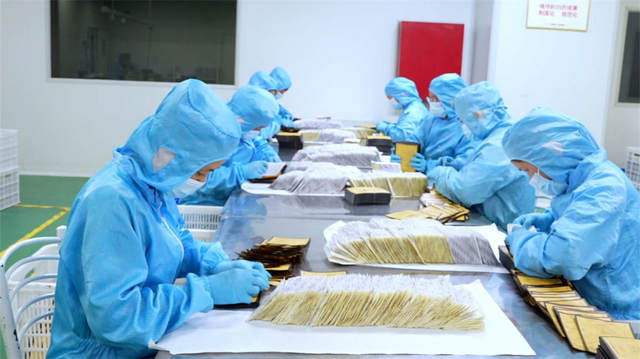
Operating a modernized manufacturing footprint encompassing approximately 26,000 square meters and employing over 300 highly qualified engineers, quality assurance inspectors, and operations specialists, JZCare integrates advanced R&D, high-precision injection molding, automated cleanroom assembly lines, and global OEM/ODM services. The company's annual output capacity scales past 1.5 billion units, making it a reliable strategic partner for medical institutions, laboratories, and pharmaceutical distributors worldwide.
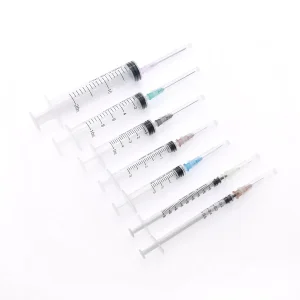
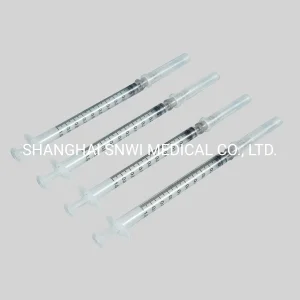
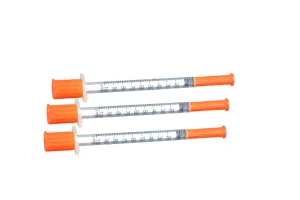
Their core medical portfolio features disposable syringes, hypodermic syringes, safety syringes, insulin syringes, luer lock/luer slip configurations, and sterile medical consumables. Utilizing medical-grade materials, precision automated machinery, and rigorous sterilization regimens, JZCare guarantees consistency and clinical efficacy in every shipment.
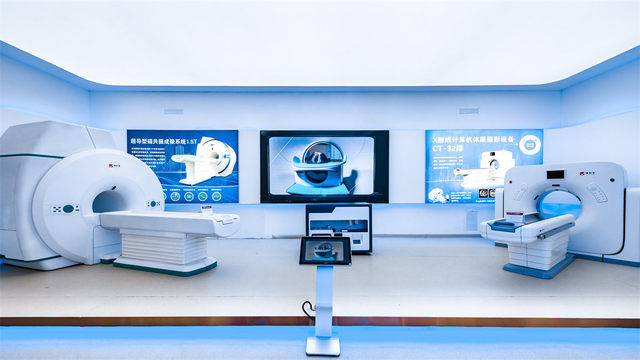
Multi-dose injection systems find relevance across several critical sectors, each demanding specific material and mechanical design paradigms:
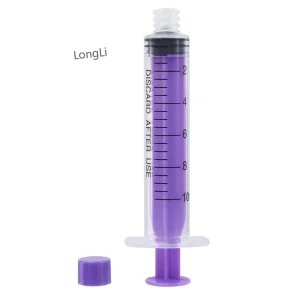
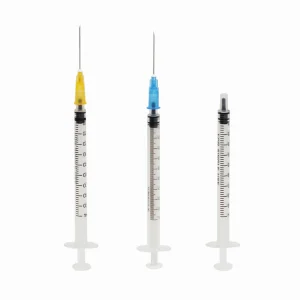
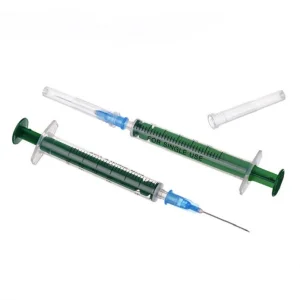
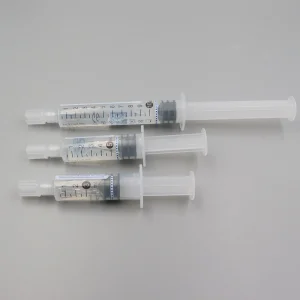
In standard healthcare settings, tuberculin syringes, auto-disable syringes, and saline flush syringes constitute the bedrock of basic patient care. The design must emphasize high barrel clarity, bold graduation markings for dosage accuracy, and needle systems that minimize trauma. Auto-disable safety syringes prevent reuse by mechanically locking the plunger after a single full cycle, which is essential for massive immunization campaigns globally.
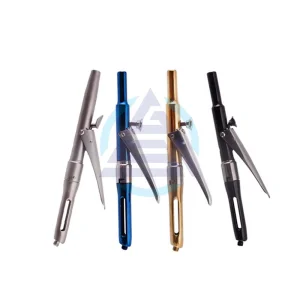
Dental clinics rely heavily on manual stainless steel aspirating syringes. These ergonomic, autoclavable systems allow clinicians to apply localized anesthetic cartridge doses repeatedly and safely, using micro-precision needles to control delivery rates inside the oral cavity.
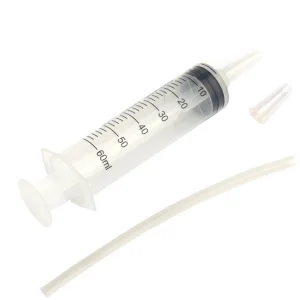
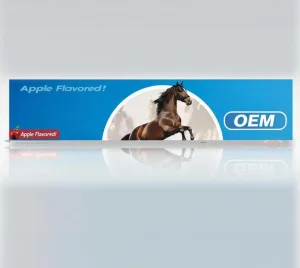
Livestock management demands durable, high-volume dosing syringes (such as 60ml enteral and irrigation syringes, or dial-up dosing horse paste oral syringes). In these rugged environments, systems must handle highly viscous formulations (like ivermectin gels) and offer mechanical durability to withstand repeat use without degradation.
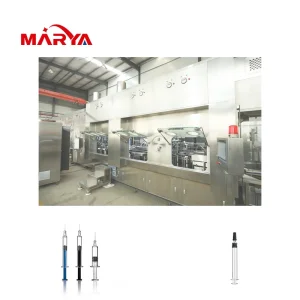
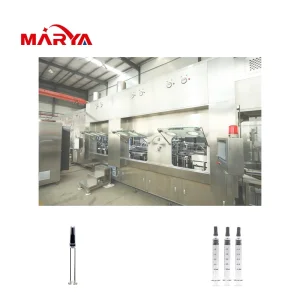
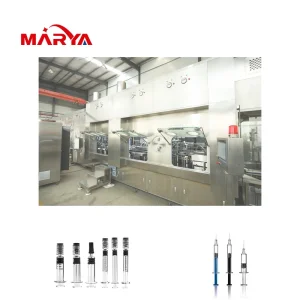
Modern pharmaceutical manufacturers require integrated systems. This includes high-speed aseptic prefilled syringe filling lines (like the Marya GMP systems) that wash, sterilize, fill, and seal syringe nests in a single automated process under strict aseptic conditions. This minimizes human touch and maximizes batch safety.
To ensure high quality, buyers must verify that their chosen factory maintains standard-compliant operational systems. The following compliance matrices should be requested during the supplier selection process:
Addressing technical and commercial inquiries from procurement directors regarding multi-dose injection system sourcing and supply chains.
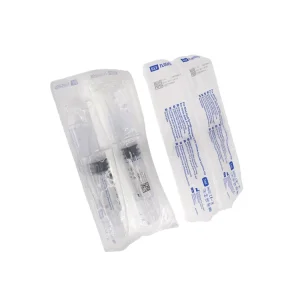
Explore our specialized prefilled saline flush syringes, filling machines, and diagnostic radiography equipment.
 JZCare Syringe