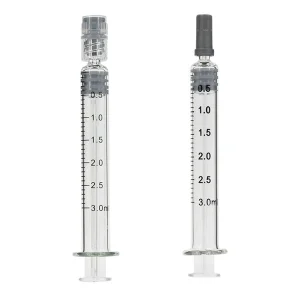
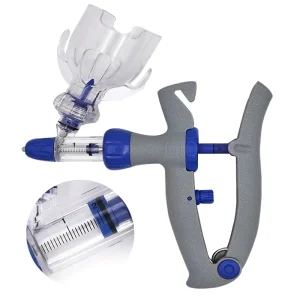
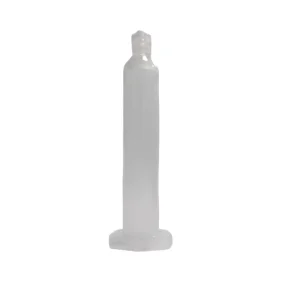
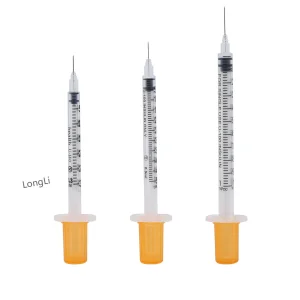
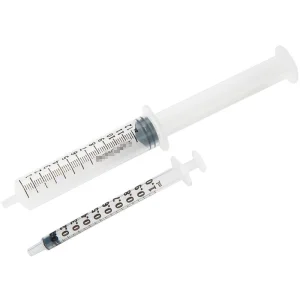
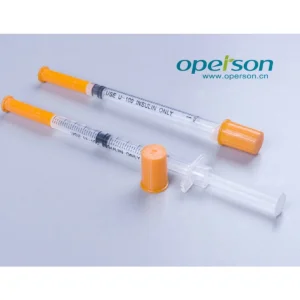
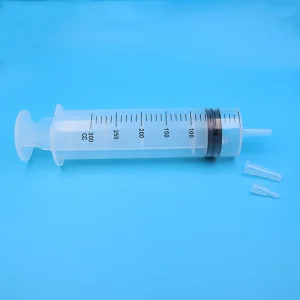
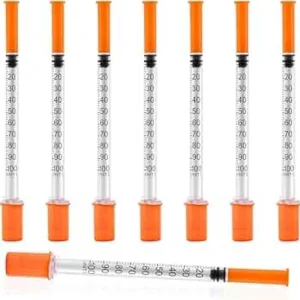
Istanbul stands at the crossroads of Europe and Asia, not just geographically but as a burgeoning epicenter for the pharmaceutical and medical device industries. As Turkey continues to expand its "Health Transformation Program," the demand for High Precision Dosage Syringes has reached unprecedented levels. Istanbul’s Organized Industrial Zones (OIZs), such as Ikitelli and Tuzla, are witnessing a shift from standard medical consumables to high-tech, micro-dosage delivery systems.
The rise of biopharmaceuticals in Turkey requires specialized delivery mechanisms. Traditional syringes often fall short when dealing with high-viscosity biologics or ultra-sensitive insulin doses. This is where high-precision engineering becomes the differentiator. Our export services to Istanbul bridge the gap between advanced Chinese manufacturing efficiency and the localized needs of Turkish healthcare providers.
Units Global Capacity
Cleanroom Standard
Countries Exported
Certified Quality
The future of syringe manufacturing is defined by three core pillars: Material Purity, Dosing Accuracy, and Safety Integration.
Transitioning from standard PP to Cyclic Olefin Polymer (COP) and COC for better chemical resistance and lower protein adsorption.
Implementation of "Low Dead Space" (LDS) designs to minimize expensive drug waste—a critical factor for Istanbul's private oncology clinics.
Developing biodegradable syringe components and reducing plastic weight by 15% without compromising structural integrity.
Hangzhou JZCare Medical Co., Ltd. is a professional medical consumables manufacturer specializing in disposable medical syringes, sterile injection devices, and high-quality healthcare disposable products for global medical markets. Established in 2011 and located in Hangzhou, China, the company integrates research and development, precision injection molding, automated production, sterilization processing, and global OEM/ODM services.
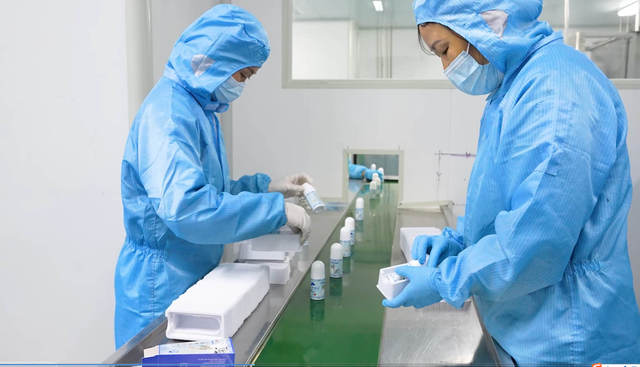
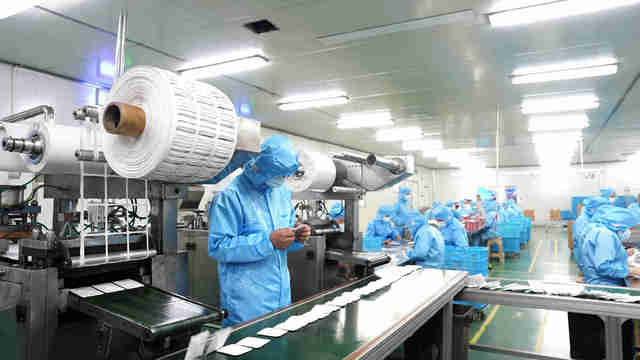
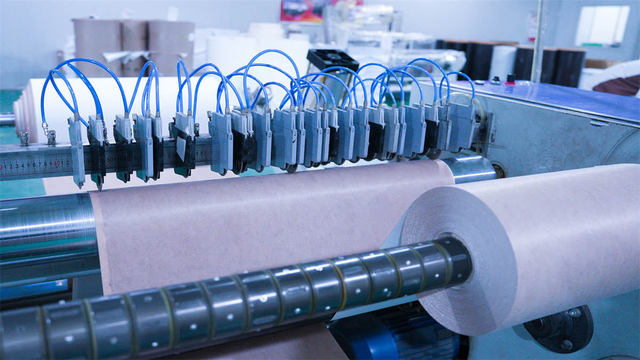
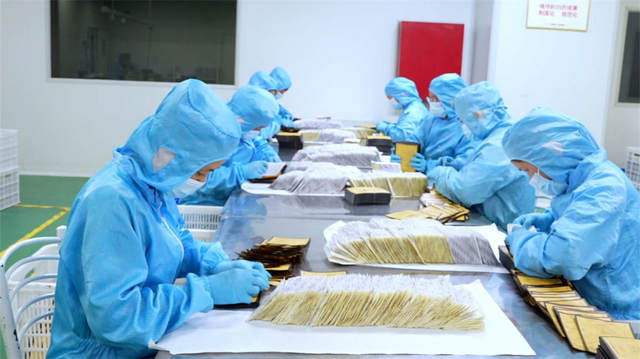
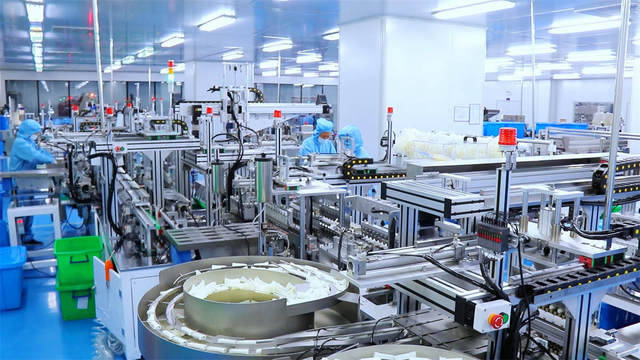
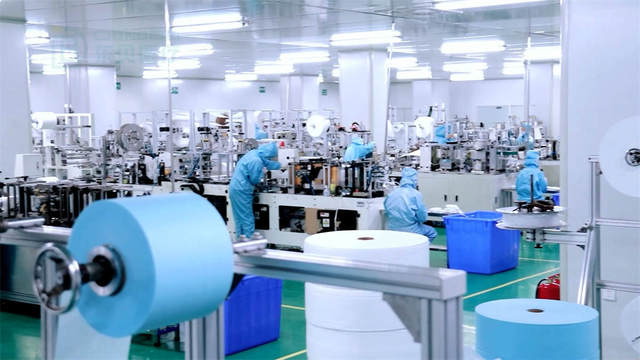
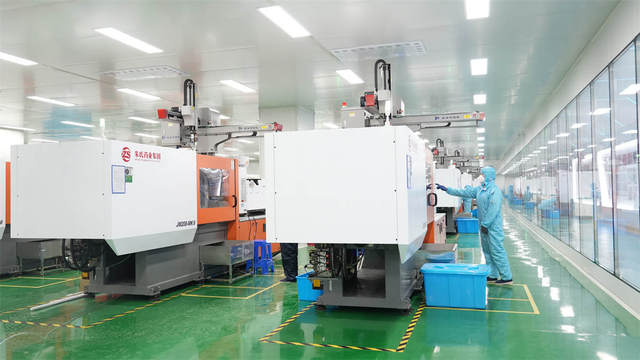
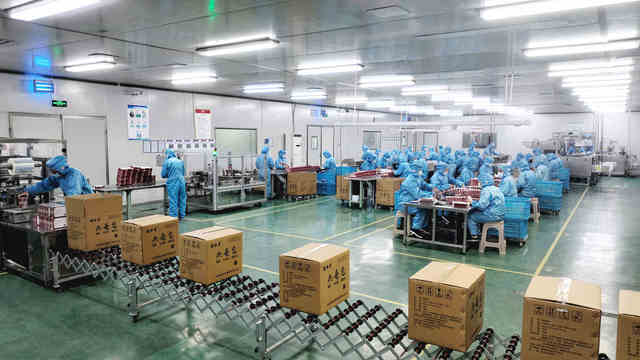
JZCare operates a modern manufacturing facility covering approximately 26,000 square meters with more than 300 employees, including experienced engineers, quality inspectors, and production specialists. The factory is equipped with advanced cleanroom workshops, fully automated assembly lines, and strict quality control systems to ensure product safety, consistency, and compliance with international medical standards.
By adopting high-precision manufacturing technology, medical-grade materials, and rigorous sterilization processes, JZCare ensures reliable performance and patient safety in every product. For Istanbul-based distributors, this means a partner who understands both the technical requirements of the EU MDR (Medical Device Regulation) and the logistical nuances of the Silk Road economic belt.
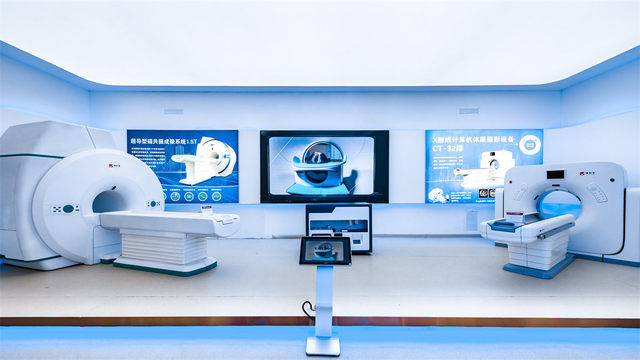
In the global medical landscape, precision dosage syringes are no longer "commodities"—they are critical components of the therapeutic outcome. Our Istanbul support team provides localized expertise in:
The China-Istanbul connection offers a unique advantage: Information Gain. We don't just export products; we export manufacturing data, quality benchmarks, and the latest innovations in polymer science that help Istanbul pharmaceutical companies stay ahead of the competition.
A: High precision refers to a coefficient of variation (CV) in dosage delivery of less than 1%. This is achieved through ultra-fine injection molding tolerances and the use of medical-grade lubricants that ensure smooth plunger movement even at micro-volumes.
A: We follow the ISO 13485:2016 quality management system. Every batch destined for Istanbul undergoes rigorous testing, including leakage tests, needle sharpness analysis (using force sensors), and EO (Ethylene Oxide) residue checks.
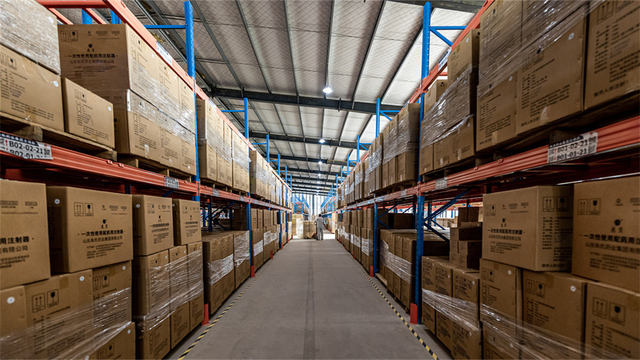
A: The primary advantage is "Supply Chain Resilience." With an annual capacity of 1.5 billion units, we provide a buffer against the shortages often seen in European supply chains, combined with a price-to-quality ratio that is unmatched in the Middle East region.
A: Yes, our LDS syringes are specifically designed to reduce residual medication in the hub, which can save up to 20% of the drug per vial—a major cost-saving factor for large-scale clinical applications in Turkey.
 JZCare Syringe