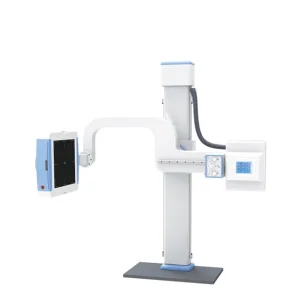
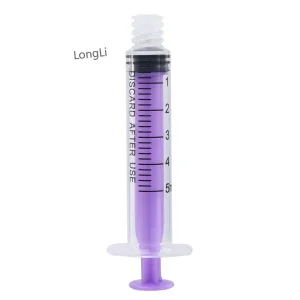
Explore our primary tier of global anesthesia instruments and specialized fluid handling devices engineered for medical-surgical applications.
The clinical administration of local and general anesthetics has shifted from simple manual delivery to safety-engineered, high-precision delivery systems. As healthcare systems globally prioritize risk mitigation and patient safety, the demand for high-reliability medical devices is scaling exponentially.
Anesthesia injection tools constitute a critical segment of clinical consumables. These instruments range from manual stainless-steel aspirating dental syringes to automated, isolator-integrated pre-filled syringe (PFS) platforms. According to international healthcare indices, safety-engineered injection devices are growing at a CAGR of 8.4% globally. This transformation is driven by regulatory directives in North America and Europe, which mandate the adoption of safety needles and needleless systems to prevent needlestick injuries (NSIs) among healthcare professionals.
Globally, the market is consolidated around elite manufacturers capable of adhering to rigorous ISO 13485 and GMP standards. These manufacturers must balance high-precision injection molding, zero-tolerance quality inspection, and sterile barrier packaging. In the following sections, we examine the structural technological features that define industry-leading manufacturers, analyzing clinical requirements, material selections, and localization challenges.
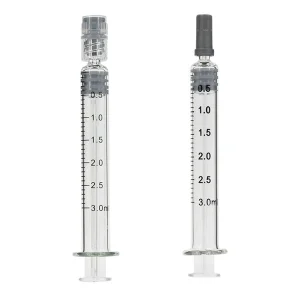
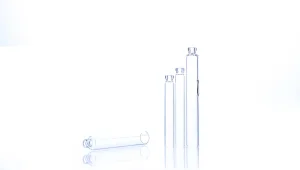
Modern local anesthetic cartridges require dimensional precision within ±0.01mm. Even a minute deviation in the glass barrel inner diameter or the plunger elasticity can lead to erratic drug release profiles, which could cause localized tissue barotrauma during deep nerve blocks.
Anesthetic delivery tools must be tailored to their specific clinical settings. A general-purpose syringe is insufficient for specialized fields like dentistry, pain management, and veterinary medicine. We categorize localized application scenarios below:
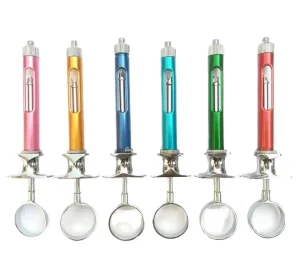
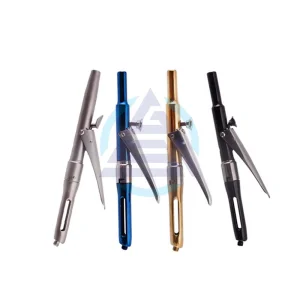
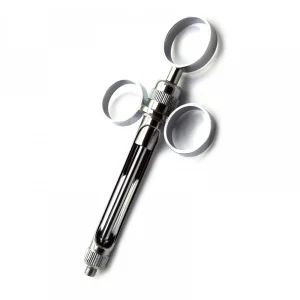
Utilizes aspirating syringes (such as the 1.8ml cartridge-type) with double-ring configurations. The design allows dentists to perform a manual aspiration test before injecting lidocaine or articaine, ensuring the needle tip has not penetrated a blood vessel.
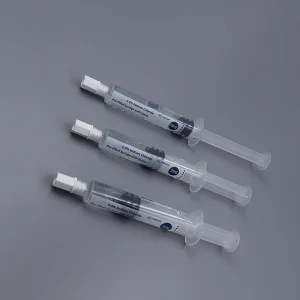
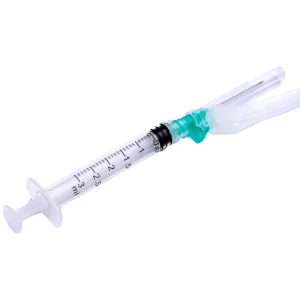
Relies heavily on prefilled saline flush systems and safety-retractable syringes. Normal saline (0.9% NaCl) IV flushes maintain catheter patency, preventing cross-contamination and drug-mixing accidents during emergency anesthetic induction.
Demands rugged, high-volume automated delivery. Large-scale animal health sectors use automated syringe-filling systems to handle highly viscous anesthetics and vaccines, keeping dose-delivery accurate under rugged clinic conditions.
For example, JZCare's specialized product line, including the Aspirating Dental Syringe Stainless Steel and the Prefilled Saline IV Flush Syringe, specifically addresses these diverse clinical needs. By using medical-grade SUS304/SUS316 stainless steel for dental instruments, JZCare ensures corrosion resistance during repeated autoclave sterilization cycles, while its pre-filled saline flushes mitigate the risk of healthcare-associated infections (HAIs).
The technological trajectory of anesthetic delivery points to automation, biological compatibility, and safety-engineered mechanisms. The industry is moving away from bulk manual preparation toward unit-dose, ready-to-use systems. The timeline below illustrates key transitions:
Historical reliance on sterilizable glass and heavy steel syringes. High structural durability, but significant risk of cross-contamination and user fatigue. High maintenance costs and sterilization validation overhead.
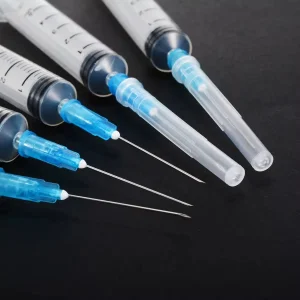
Widespread adoption of medical-grade polypropylene (PP) syringes and auto-retractable safety needles. Introduction of prefilled saline flushes and standardized dental cartridges to streamline clinical workflows.
Integration of Nest-type RTU syringe-filling machines operating inside barrier isolator systems. Rise of cyclic olefin copolymer (COC) and cyclic olefin polymer (COP) glass-like plastics to prevent chemical reactions with sensitive anesthetic compounds.
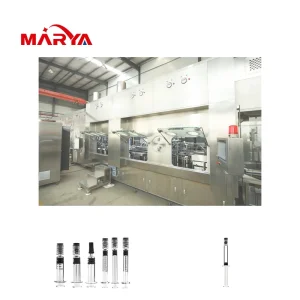
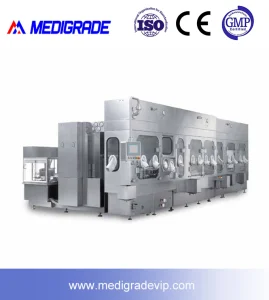
The Push for Integrated Automation: Advanced manufacturing lines now deploy aseptic isolator-integrated filling systems, like the Nest Type Prefilled RTU Syringe Filling and Closing Machine. This technology ensures the drug is filled, sealed, and packaged under Grade A laminar flow conditions, minimizing human intervention and particulate contamination risks.
The global healthcare supply chain demands high stability and capacity to prevent critical stockouts of injection devices. China's medical manufacturing industry has evolved from low-cost assembly to highly automated, vertically integrated production hubs. Hangzhou JZCare Medical Co., Ltd. serves as an excellent case study of this transformation.
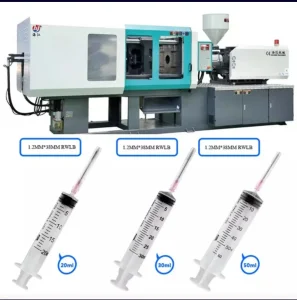
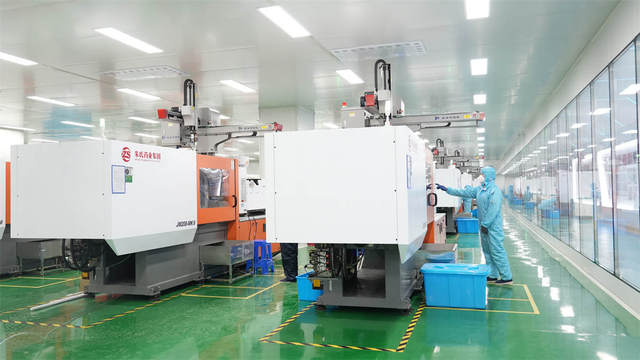
JZCare leverages advanced electric injection molding machines that ensure micro-precision dimensions for syringe barrels, plunger ribs, and needle hubs, eliminating friction inconsistencies during clinical use.
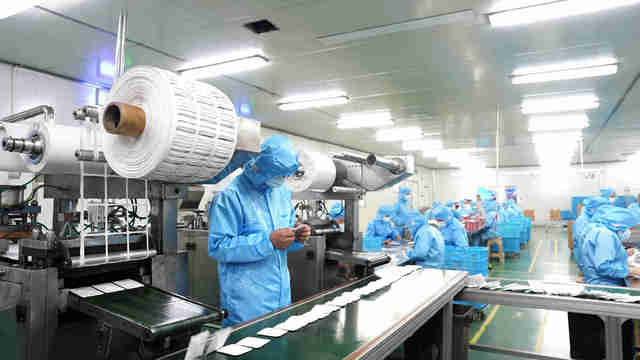
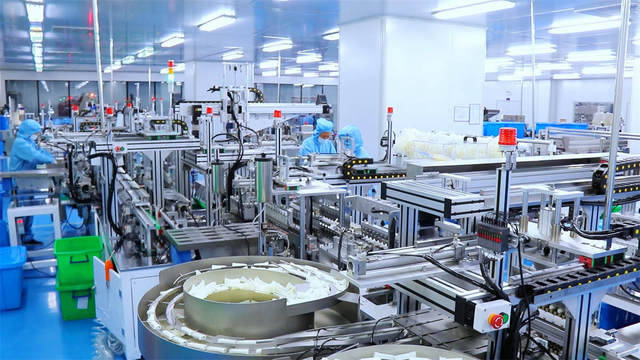
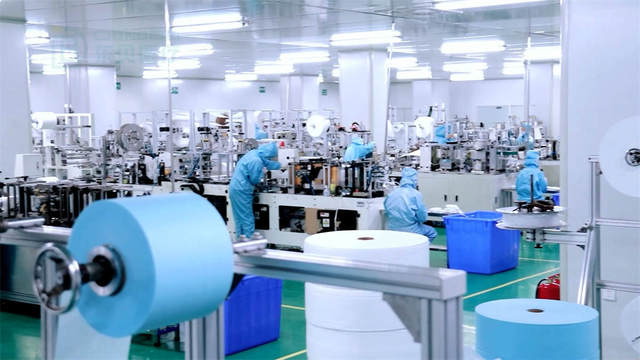
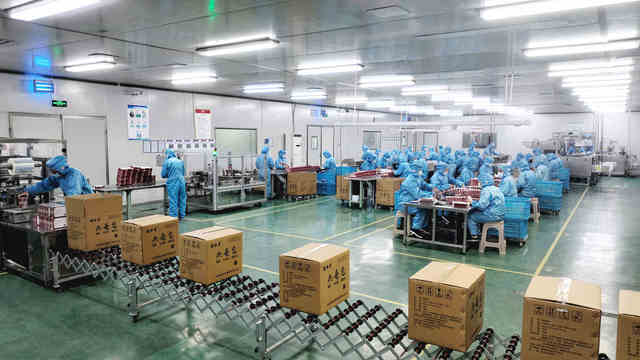
Operations span over a 26,000 square meter facility utilizing Class 100,000 (ISO Class 8) cleanrooms. This controlled environment maintains bioburden counts well below international pharmacopeia limits prior to sterilization.
With a production output exceeding 1.5 billion units annually, the facility utilizes in-line vision inspection systems. Every single syringe is inspected for bubble, tip deformity, and graduation print errors in real-time.
Furthermore, JZCare's strategic location in Hangzhou provides robust access to Ningbo and Shanghai deepwater ports. This proximity allows for streamlined global shipping logistics, shortening lead times for global medical distributors and hospitals. By integrating raw medical-grade material sourcing, precision tooling, and high-volume sterilization under one roof, JZCare offers cost-efficiency and supply chain security to the global market.
In the medical device industry, quality standards are non-negotiable. Leading manufacturers must secure access to target regions by aligning their quality management systems with the specific regulatory frameworks of each market.
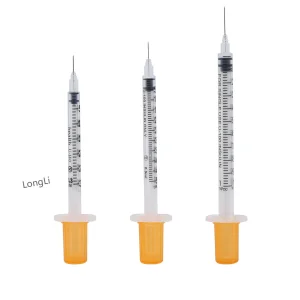
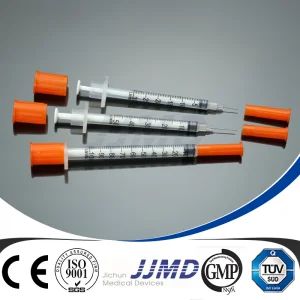
For instance, distributing anesthetic injection devices in the European Union requires compliance with the Medical Device Regulation (MDR 2017/745), which enforces strict clinical evaluation and post-market surveillance. In the United States, 510(k) clearances from the FDA are necessary for devices like insulin syringes and safety needles. Manufacturers must also validate that their sterilization methods—whether using Ethylene Oxide (EO) or Gamma Irradiation—fully satisfy ISO 11135 and ISO 11137 parameters without leaving toxic residues.
When auditing a manufacturer of medical consumables, global procurement teams must verify three primary credentials: 1. ISO 13485 certification for medical device quality management; 2. CE Mark or FDA 510(k) status matching the product catalog; 3. Pyrogenicity and Biocompatibility testing documentation (ISO 10993) to ensure materials are safe for human contact.
To address common technical and logistical inquiries raised by medical procurement officers and clinical directors, we compile key industry queries below:
Examine our secondary portfolio of high-precision delivery platforms, insulin management syringes, and clinical packaging systems.
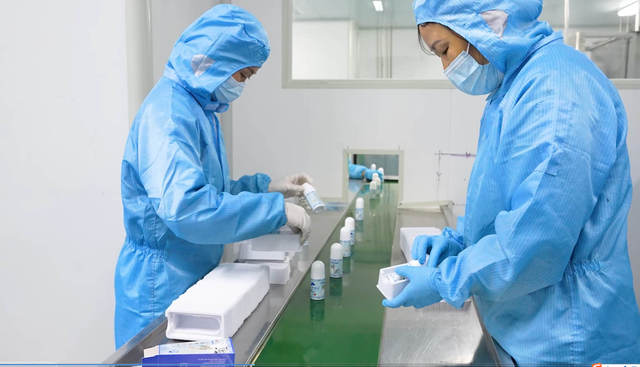
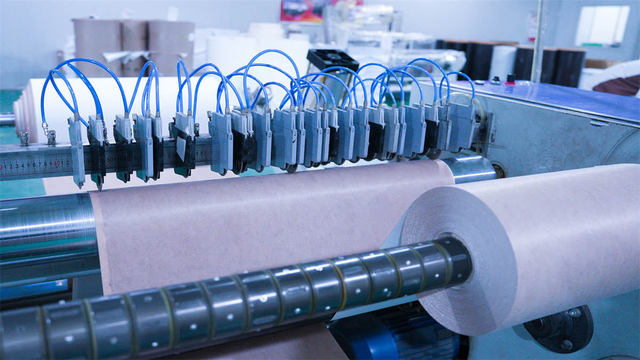
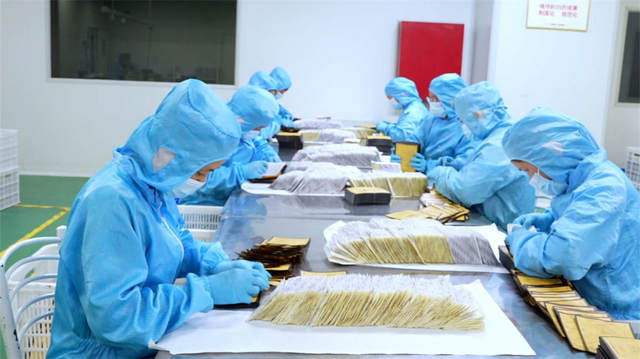
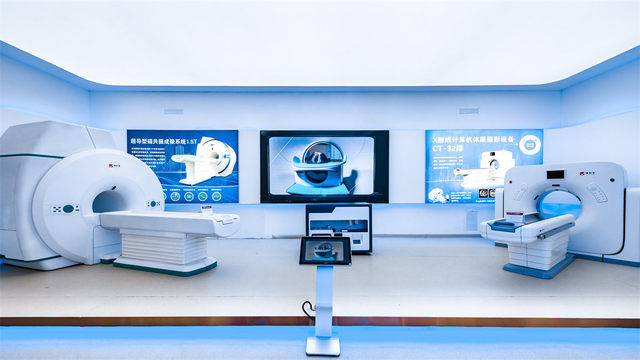
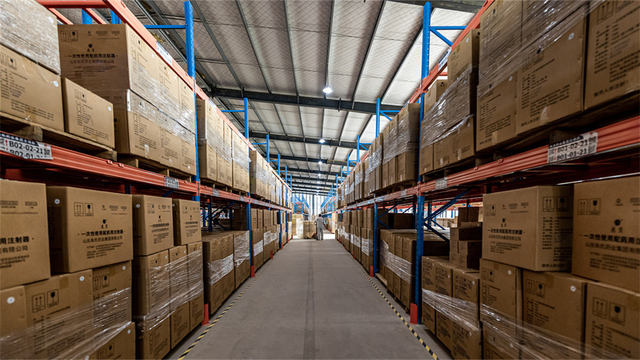
A visual walk-through of JZCare's 26,000 square meter state-of-the-art facility featuring ISO cleanrooms, automated assembly lines, and high-precision testing apparatus.
 JZCare Syringe