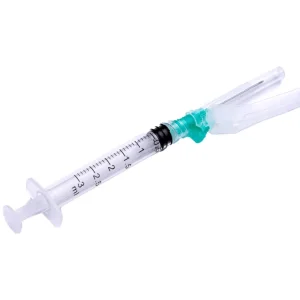
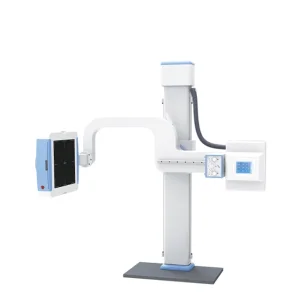
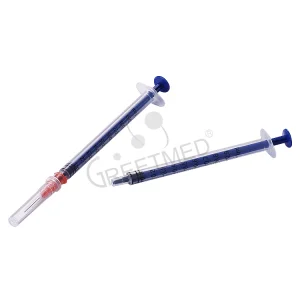
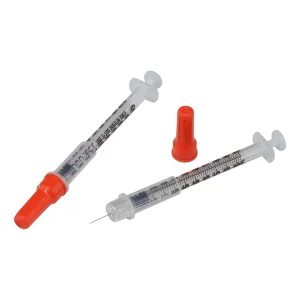
Explore our state-of-the-art sterile medical injection devices, radiography systems, and specialized clinical syringes designed for safety and regulatory compliance.
Within the pharmaceutical packaging and delivery systems sector, ensuring absolute Container Closure Integrity (CCI) is paramount. Syringe sealing devices play an indispensable role in maintaining the sterility of prefilled injectables, protecting fluid pathways from microbiological contamination, and preventing chemical oxidation.
As a leading partner in medical technology, Hangzhou JZCare Medical Co., Ltd. delivers high-precision OEM/ODM syringe sealing manufacturing services. We understand that a minor fluctuation in sealing pressure or elastomer selection can compromise drug shelf life, rendering vital biopharmaceuticals inactive or unsafe.
By leveraging advanced material science (utilizing elastomers such as bromobutyl rubber alongside cyclic olefin polymers), JZCare ensures that all manufactured sealing systems satisfy strict regulatory frameworks including ISO 11040-4 and USP <1207> guidelines. Our focus remains on delivering reliable, clinical-grade sterility barriers to pharmaceutical partners worldwide.
From initial concept design and mold engineering to automated mass production, JZCare converts complex drug delivery requirements into validated manufacturing realities.
We source medical-grade polypropylene, cyclic olefin copolymer (COC), and high-performance elastomers. Our components undergo chemical screening to prevent extractables and leachables (E&L) from interacting with sensitive drug formulations.
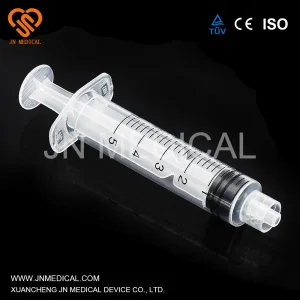
Our engineering team modifies tip cap styles, luer lock adapters, rigid needle shields (RNS), and plunger dimensions to achieve the perfect balance between sealing safety and comfortable break-loose force for clinicians.
Providing comprehensive integration with Ethylene Oxide (EtO) sterilization, Gamma Irradiation, and E-beam sterilization validation. We guarantee a Sterility Assurance Level (SAL) of 10-6 across production lots.
| Parameters | Standard Syringe Sealing Requirements | JZCare Advanced OEM Solutions | Clinical / Regulatory Impact |
|---|---|---|---|
| Closure Integrity (CCI) | Dye ingress or laser headspace analysis testing | 100% online high-voltage leak detection & vacuum decay | Guarantees sterile pathway over 3 to 5-year shelf lives |
| Break-Loose Force | < 15 N (Standard patient injection) | Optimized siliconization process (< 8 N stable delivery) | Prevents sudden plunger slips, protecting delicate injection procedures |
| Particulate Levels | Strict limits defined by USP <788> | Class 10,000 cleanroom washing, clean-in-place (CIP) | Reduces vascular risks during intravenous administration |
| Chemical Safety | Minimal toxic extractable potential | BPA-free, latex-free, and phthalate-free compounds | Passes intensive toxicological evaluation for global registrations |
Operating from Hangzhou, China, JZCare leverages the strength of regional raw material suppliers, precision tooling centers, and expert chemical engineers. This geographic alignment permits rapid prototyping loops, transitioning custom concepts to production in days rather than months.
Our centralized position allows for optimized logistical routes, connecting directly with major deep-water ports (Ningbo and Shanghai) to guarantee stable, global shipping paths even during volatile supply chain environments.
Global pharmaceutical operations demand both product quality and supply chain resilience. JZCare addresses these challenges by merging advanced technology with the cost structures of the Chinese industrial sector.
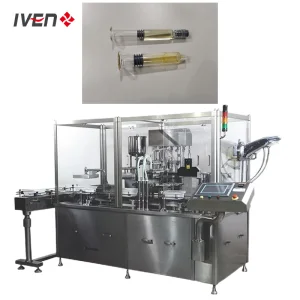
By using automated manufacturing equipment, we lower assembly costs while maintaining the consistent accuracy required for regulatory compliance. Our automated verification processes replace manual inspection, eliminating human error from the quality control cycle.
For procurement officers in Europe, North America, and Latin America, this combination of technical precision and cost-efficiency makes JZCare a reliable primary supplier. We help partners diversify their manufacturing footprints and improve overall margin structures.
Navigating the regulatory requirements of global health agencies demands documented proof of safety, biocompatibility, and manufacturing quality.
We provide full Common Technical Document (CTD) structures for submission to health authorities including the US FDA, EMA, and ANVISA.
Our quality management system is audited and certified to comply with ISO 13485, ensuring consistency from raw material reception to packaging.
Our products comply with European Medical Device Regulation (EU MDR 2017/745), simplifying the import and commercialization process in EU markets.
Testing includes ISO 10993 cytotoxicity, sensitization, irritation, acute systemic toxicity, and hemocompatibility, ensuring safe contact with patient fluids.
JZCare syringe sealing designs perform across diverse clinical pathways and demanding operational environments.
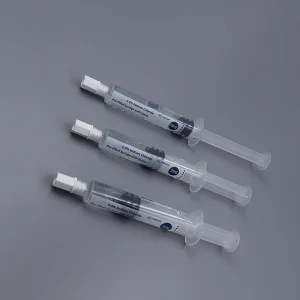
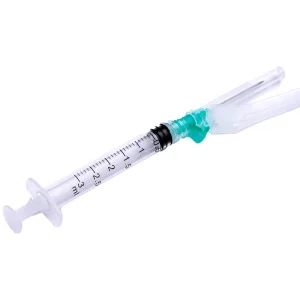
Used to clear catheters and IV lines, these systems require high seal stability to prevent evaporation or saline leakage during long storage periods. JZCare seals support 0.9% Normal NaCl saline flushes, preventing particulate generation from friction.
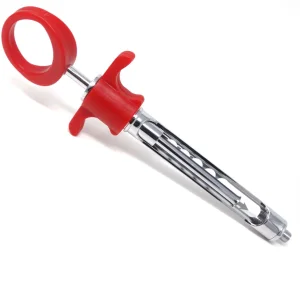
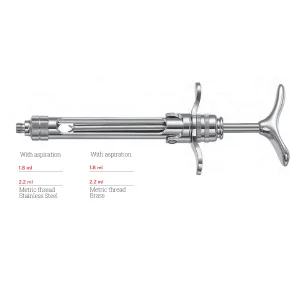
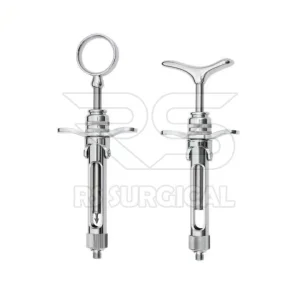
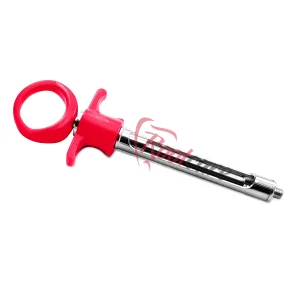
Self-aspirating syringes and reusable anesthetic cartidges require exact sealing limits to handle localized pressure during injections. Our stainless steel dental syringes match with high-precision elastomeric stoppers to prevent fluid leaks under high pressure.
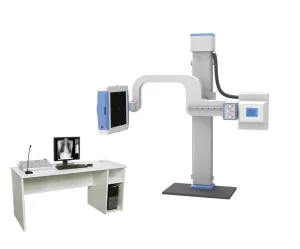
Our technology supports large-scale hospital networks using computerized radiography, digital contrast injector pumps, and high-pressure syringes. Sealing integrity prevents contrast fluid leakage, protecting diagnostic imaging equipment.
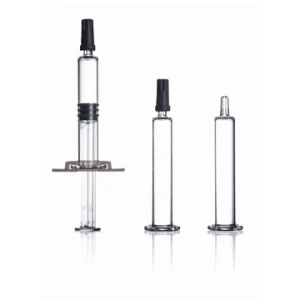
The pharmaceutical industry is transitioning away from standard borosilicate glass toward Cyclic Olefin Polymers (COP) and Cyclic Olefin Copolymers (COC) for prefilled syringes. COP materials offer high breakage resistance, glass-like transparency, and low adsorption profiles for modern protein-based biologics. However, these materials require highly precise sealing interfaces to prevent gas transmission and micro-cracks over time.
Additionally, regulatory expectations have evolved. Standard physical dye-intrusion methods are being replaced by deterministic, non-destructive leak detection systems. Methods such as Helium Leak Detection and Laser-based Headspace Analysis (HSA) provide quantified validation of seal integrity, helping to guarantee patient safety.
JZCare stays aligned with these shifts. We invest in precision injection molds, polymer formulation testing, and automated visual quality checks to ensure our OEM/ODM products meet current and future clinical requirements.
At JZCare, seal reliability is verified using a multi-step testing approach:
Technical answers regarding materials, customization capabilities, and global regulatory compliance.
We utilize high-grade fluoropolymer-coated bromobutyl and chlorobutyl rubbers for elastomeric plunger stoppers. The syringe barrels are molded from medical-grade virgin polypropylene, or specialized cyclic olefin polymers (COP) for highly sensitive drug compounds, preventing absorption of active pharmaceutical ingredients (APIs).
We implement ASTM F2338 vacuum decay testing alongside high-speed camera visual systems. During validation, we also run dye ingress and physical force profiling tests to verify that seals withstand handling, logistics, and atmospheric pressure changes.
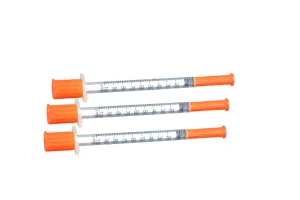
Yes. Our OEM/ODM capabilities include custom graduation scale printing, custom color branding on plunger rods, needle shields, and finger flanges. We design and construct custom injection molds to produce syringe sizes ranging from 0.3ml up to 60ml.
Our facility is certified to ISO 13485:2016 Quality Management Standards for Medical Devices. Most product lines carry CE mark approval and meet the necessary documentation standards for regulatory clearance in the United States, Latin America, and Southeast Asia.
For standard components, lead times run between 20 to 30 days. For custom designs requiring new mold fabrication and regulatory documentation, the process takes approximately 45 to 60 days, including complete test batch validation.
A visual tour inside our ISO-certified manufacturing facility, highlighting our cleanrooms, automated tooling, and quality control systems.
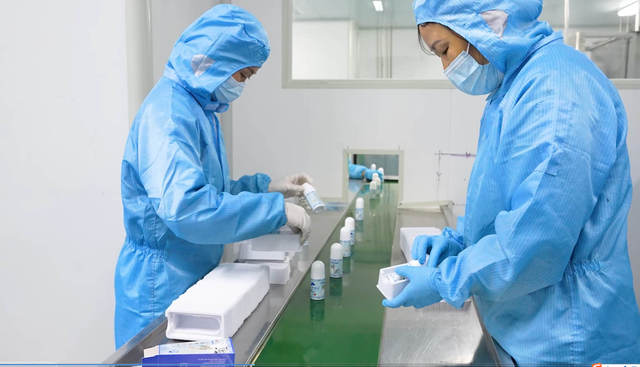
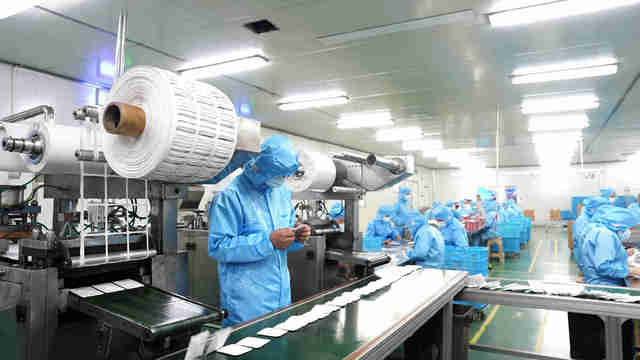
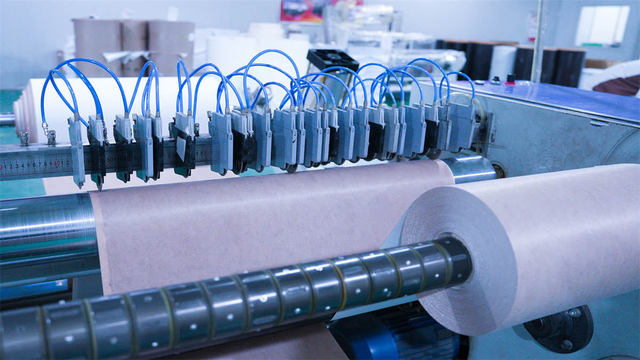
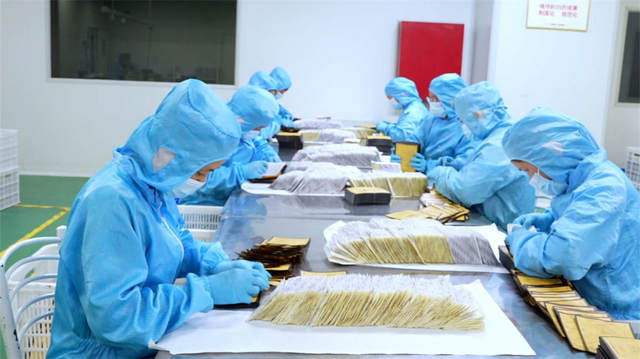
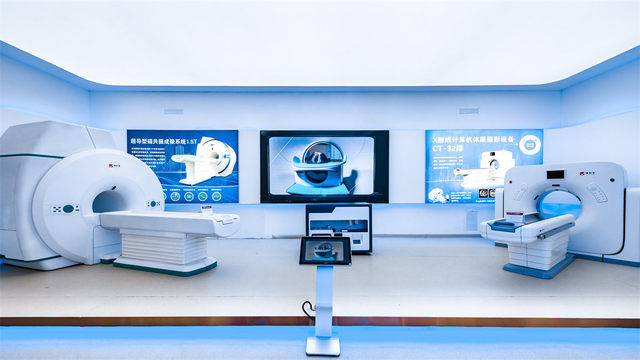
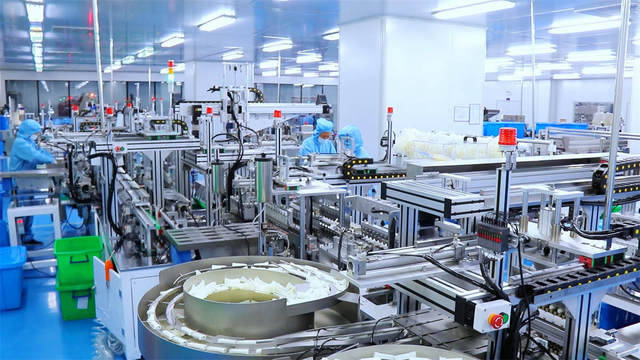
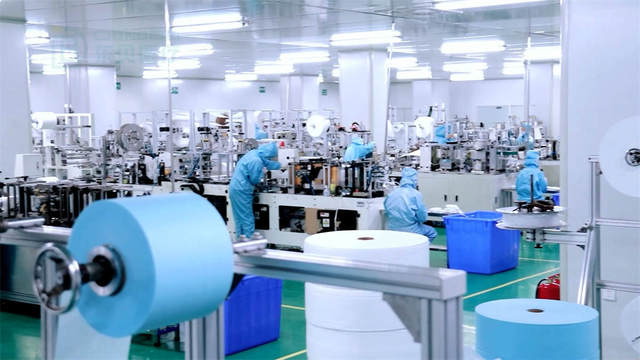
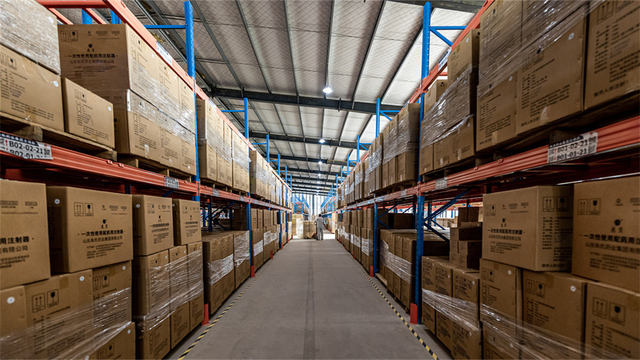
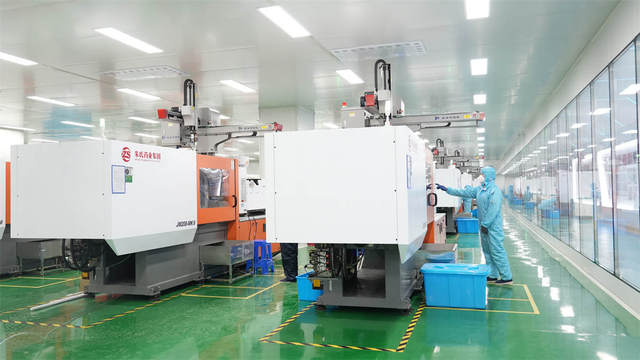
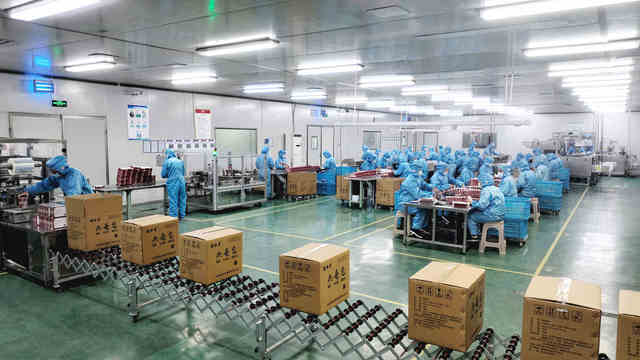
Additional medical-grade packaging and injection device designs constructed to meet international safety and performance standards.
 JZCare Syringe