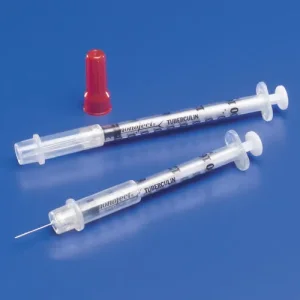
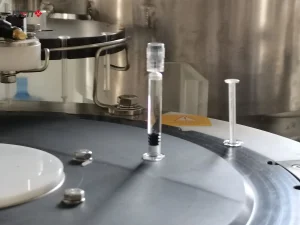
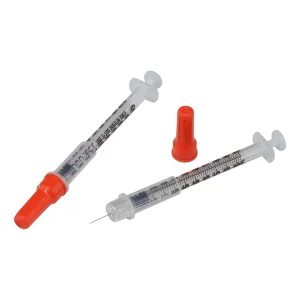
The global market for syringe transfer devices has shifted from simple manual tools to highly sophisticated Closed System Transfer Devices (CSTDs). As hazardous drug handling regulations (like USP <800>) become more stringent, hospitals and industrial pharmacies are demanding OEM solutions that guarantee zero-leakage and aseptic integrity. We are at the forefront of this transition, bridging the gap between high-volume manufacturing and precision clinical requirements.
Our R&D focuses on the "Three Pillars of Transfer Tech": Material Compatibility, Pressure Equalization, and User Ergonomics. By utilizing medical-grade Polycarbonate (PC) and cyclic olefin polymers (COP), we ensure that our transfer devices maintain chemical stability even with aggressive oncology drugs. Future iterations involve integrated NFC chips for smart tracking and bio-composite materials to reduce the carbon footprint of medical waste.
Located in Hangzhou, JZCare leverages the "Medical Device Silicon Valley" of the Yangtze River Delta. Our vertical integration—from raw granule sourcing to automated EO sterilization—allows us to mitigate global supply shocks. With a 1.5 billion unit annual capacity, we offer a "Zero-Buffer" lead time for high-volume exporters, ensuring that global medical inventories remain stable during peak demands.
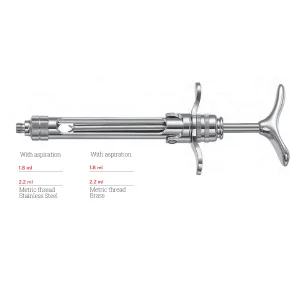
In modern hospital pharmacies, the transfer of lyophilized powders to liquid diluents requires vacuum-sealed environments. Our OEM transfer spikes and adapters are designed to fit various vial neck sizes, ensuring pharmacists are protected from vapor exposure while maintaining the sterility of the medication.
Large-scale livestock vaccination programs require transfer systems that can handle high-viscosity fluids without needle clogging. Our veterinary-specific transfer devices provide the durability needed for field use while maintaining the precision of a clinical setting.
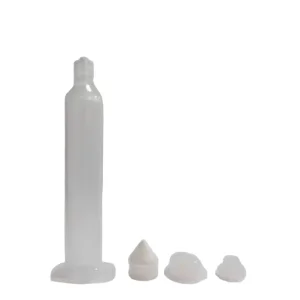
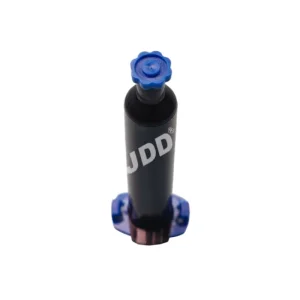
Beyond medicine, syringe transfer technology is vital in electronics manufacturing for high-precision glue dispensing and chemical reagent handling. Our "Luer Lock" compatibility ensures seamless integration into automated robotic dispensing arms.
Hangzhou JZCare Medical Co., Ltd. is a professional medical consumables manufacturer specializing in disposable medical syringes, sterile injection devices, and high-quality healthcare disposable products for global medical markets. Established in 2011 and located in Hangzhou, China, the company integrates research and development, precision injection molding, automated production, sterilization processing, and global OEM/ODM services.
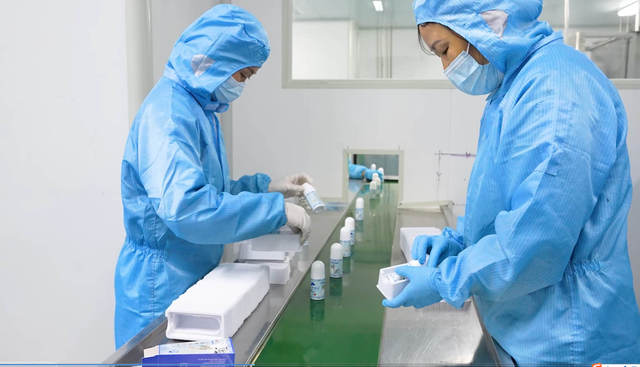
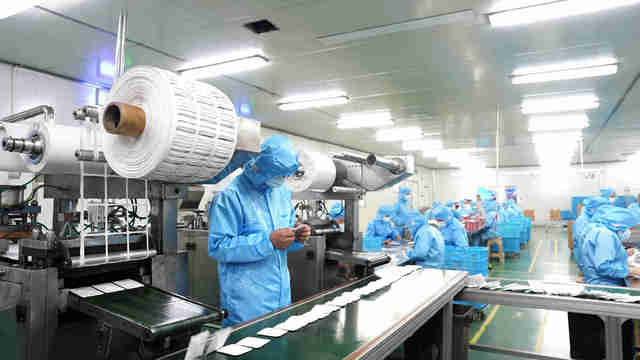
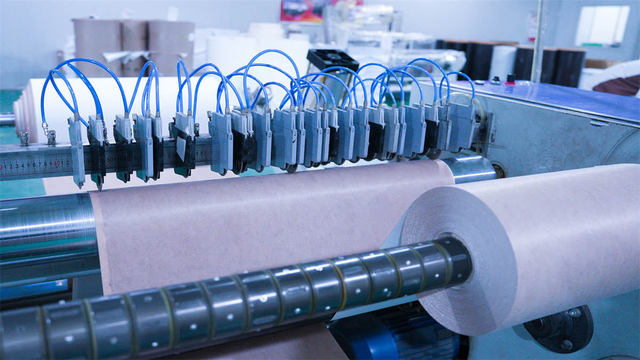
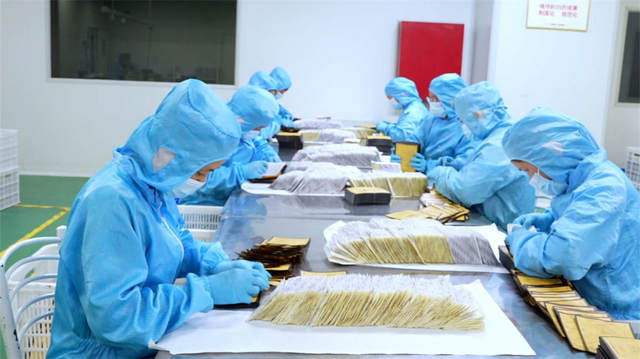
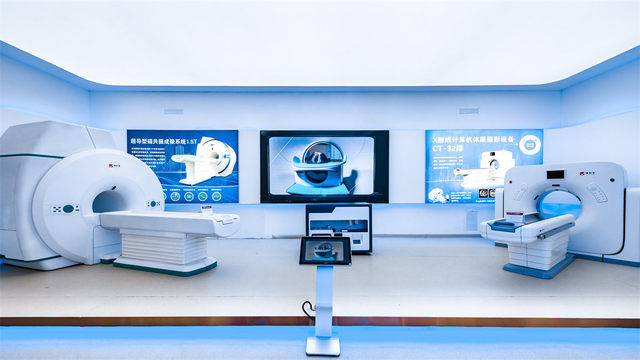
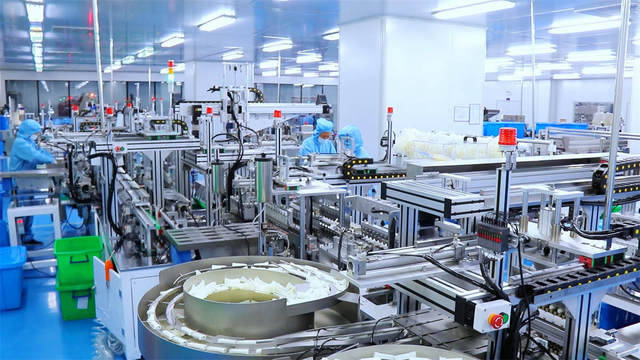
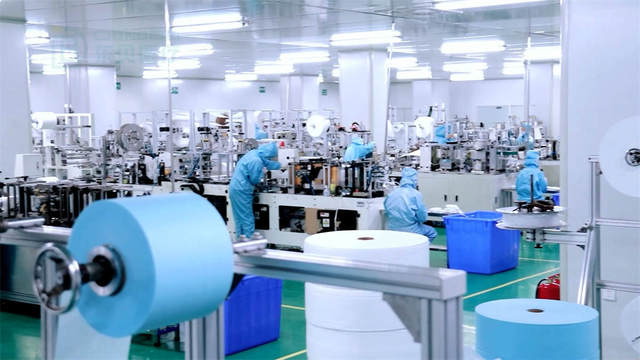
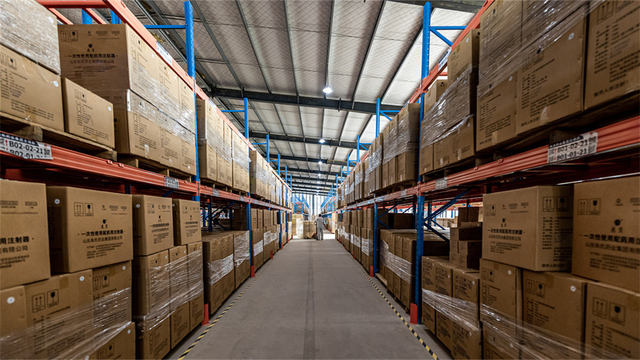
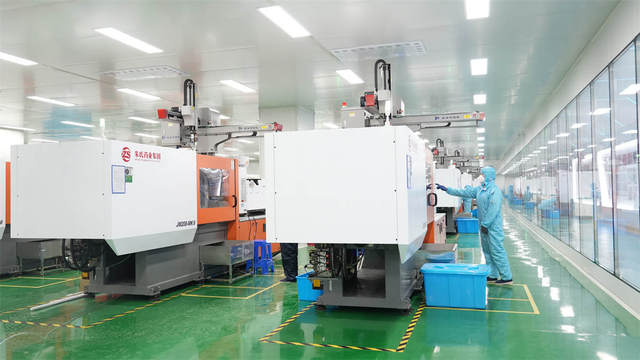
JZCare operates a modern manufacturing facility covering approximately 26,000 square meters with more than 300 employees, including experienced engineers, quality inspectors, and production specialists. The factory is equipped with advanced cleanroom workshops, fully automated assembly lines, and strict quality control systems to ensure product safety, consistency, and compliance with international medical standards. Annual production capacity exceeds 1.5 billion units of disposable medical products, supplying hospitals, clinics, laboratories, and healthcare distributors worldwide.
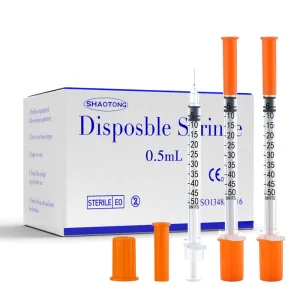
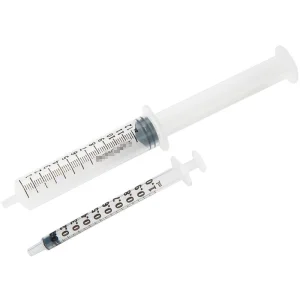
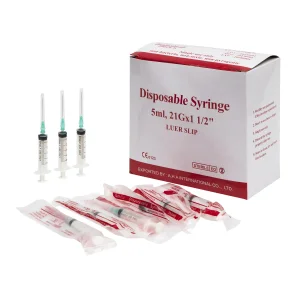
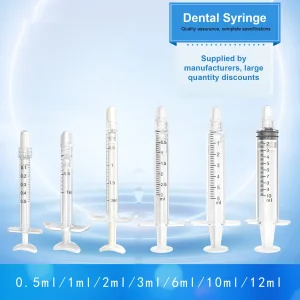
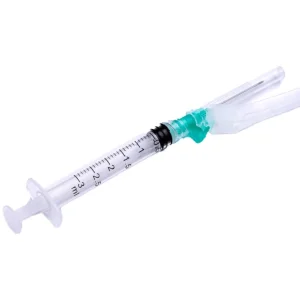
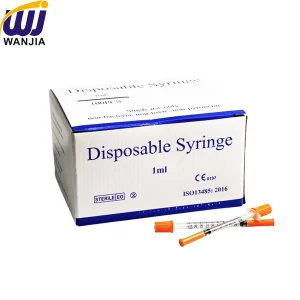
The company’s core product range includes disposable syringes, hypodermic syringes, safety syringes, insulin syringes, luer lock and luer slip syringes, and various sterile medical injection consumables. By adopting high-precision manufacturing technology, medical-grade materials, and rigorous sterilization processes, JZCare ensures reliable performance and patient safety in every product.
Our products adhere to ISO 13485:2016 quality management systems. For the European market, we provide full CE documentation under the MDR (Medical Device Regulation), and for the US, we maintain 510(k) readiness for specific OEM configurations.
With proximity to Ningbo and Shanghai ports, we offer DDP and CIF terms that reduce the complexity of cross-border medical device trade. Our packaging is optimized for both air-freight speed and sea-freight cost-efficiency.
We offer onsite biocompatibility testing, sterility validation (EO/Gamma), and aging tests to ensure that every custom OEM device meets its shelf-life promise in different climatic zones.
 JZCare Syringe