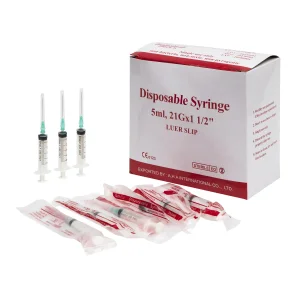
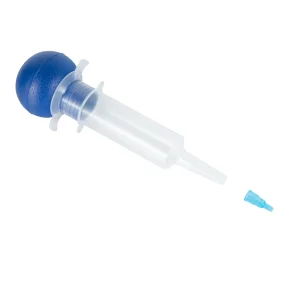
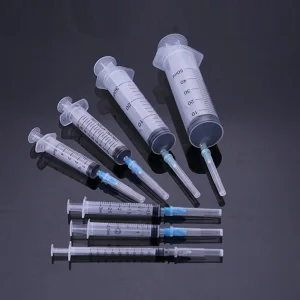
Ethiopia, with one of the fastest-growing populations in Africa, is undergoing a profound transformation in its healthcare sector. As the Ethiopian Pharmaceutical Supply Agency (EPSA) strengthens its procurement frameworks, the demand for high-quality, sterile hypodermic syringes has shifted from a mere volume requirement to a focus on E-E-A-T compliant manufacturing. Hospitals in Addis Ababa and rural clinics across the Oromia region are increasingly prioritizing safety-engineered devices to combat the spread of blood-borne pathogens.
For international exporters and local stakeholders, the Ethiopian market presents a unique blend of high-volume demand and rigorous regulatory expectations. The integration of ISO 13485:2016 and WHO PQS standards is no longer optional; it is the cornerstone of trust. Our manufacturing facility, JZCare Medical, serves as a primary bridge, supplying precision-engineered hypodermic syringes that meet the specific climatic and logistical challenges of the East African highlands.
Modern hypodermic technology has evolved beyond simple delivery. At JZCare, we utilize medical-grade polypropylene (PP) sourced from global leaders to ensure high transparency and chemical inertness. This is critical for the Ethiopian market, where diverse pharmaceutical formulations require stable storage conditions. Our technical roadmap emphasizes three pillars:
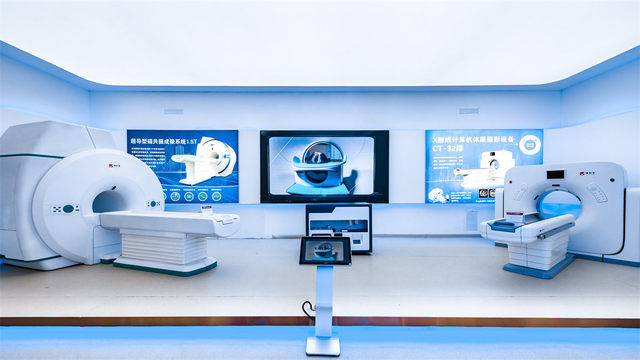
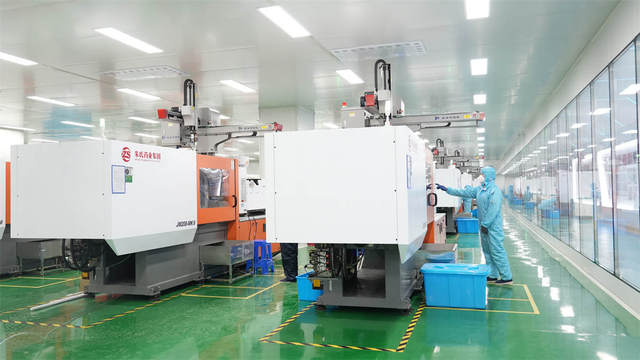
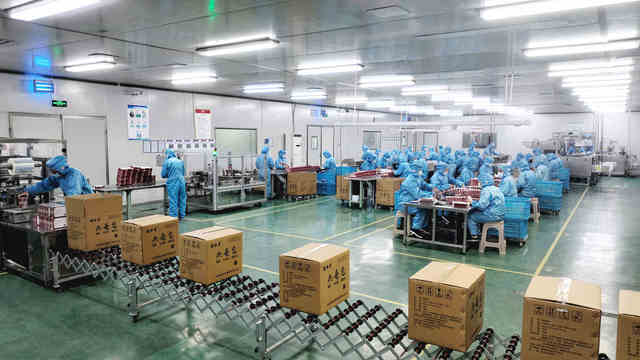
Hangzhou JZCare Medical Co., Ltd. is a professional medical consumables manufacturer specializing in disposable medical syringes, sterile injection devices, and high-quality healthcare disposable products for global medical markets. Established in 2011 and located in Hangzhou, China, the company integrates research and development, precision injection molding, automated production, sterilization processing, and global OEM/ODM services.
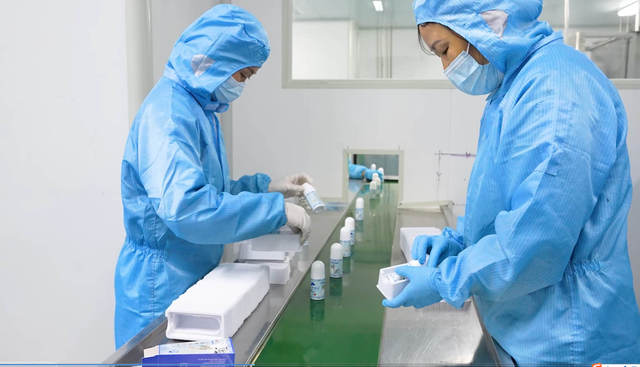
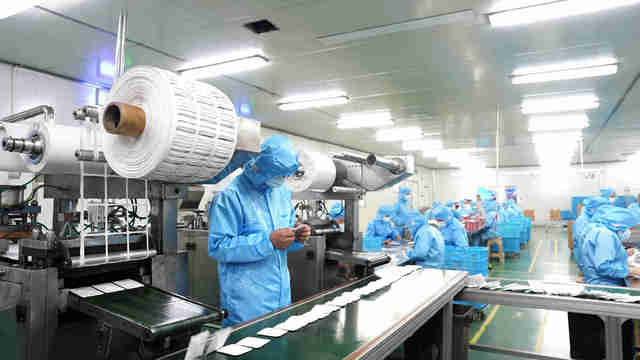
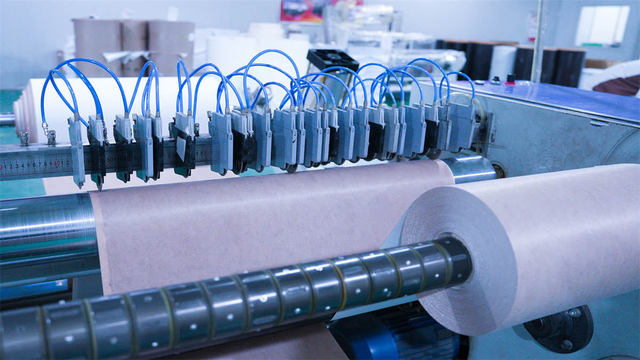
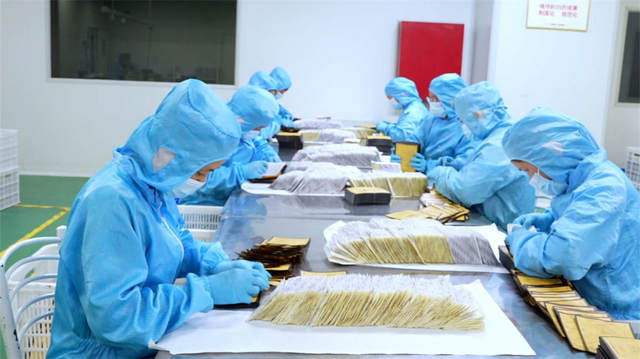
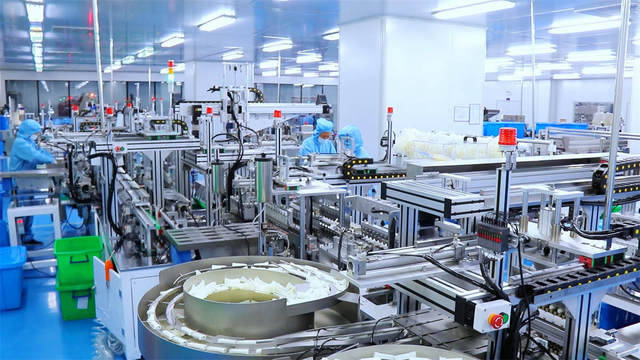
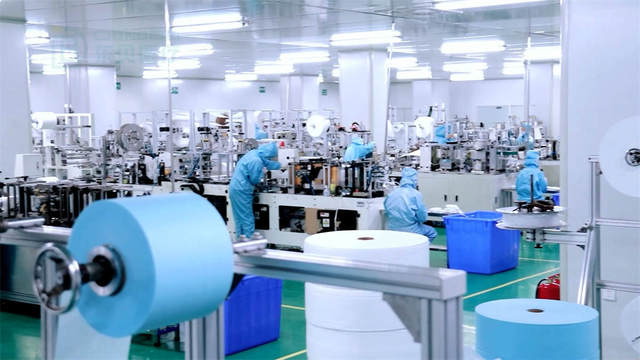
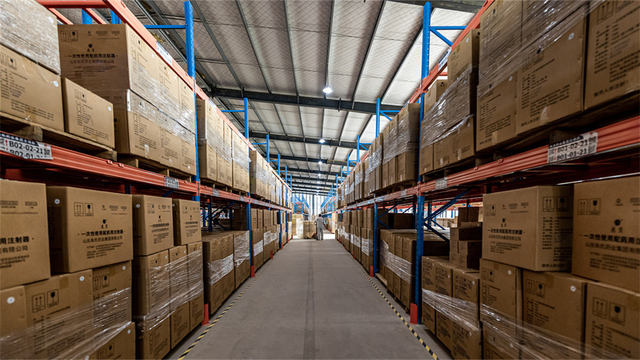
JZCare operates a modern manufacturing facility covering approximately 26,000 square meters with more than 300 employees, including experienced engineers, quality inspectors, and production specialists. The factory is equipped with advanced cleanroom workshops, fully automated assembly lines, and strict quality control systems to ensure product safety, consistency, and compliance with international medical standards. Annual production capacity exceeds 1.5 billion units of disposable medical products, supplying hospitals, clinics, laboratories, and healthcare distributors worldwide.
The utility of hypodermic syringes in Ethiopia is bifurcated into two primary sectors: Clinical Acute Care and Community Health Extension. In the clinical setting of the Black Lion Hospital, the demand is high for Luer Lock syringes that provide secure connections for complex IV therapies. Conversely, in the rural highlands, the focus is on durability and sterile integrity for mass vaccination campaigns targeting preventable diseases.
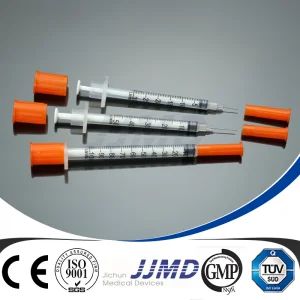
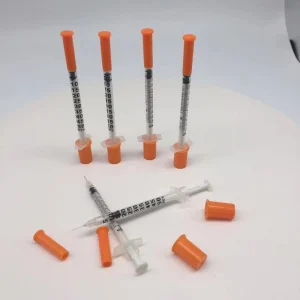
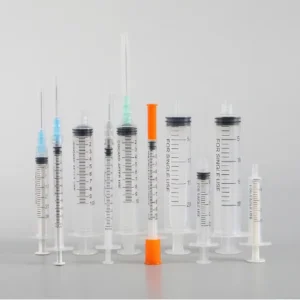
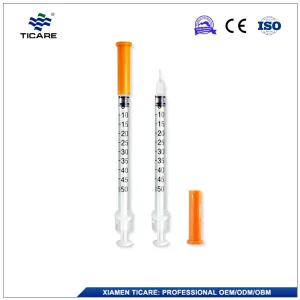
Insulin Management: With the rising prevalence of Type 1 and Type 2 diabetes in Ethiopian urban centers, there is an urgent need for U-100 and U-40 insulin syringes with ultra-fine needles (30G and 31G). These devices must offer high precision to prevent dosage errors, a critical factor for the localized patient education programs run by the Ethiopian Diabetes Association.
As we look toward 2030, the Ethiopian medical market is expected to adopt more sustainable disposal practices. "Green" medical grade plastics and reduced-waste packaging are becoming competitive advantages for exporters. Furthermore, digitalization of the supply chain—incorporating QR codes on individual syringe packs for lot tracking—is gaining traction to prevent the influx of counterfeit medical supplies in the region.
Optimized shipping routes from China to Djibouti Port, followed by efficient trucking to Addis Ababa, ensuring lead times are minimized for critical health tenders.
Assisting Ethiopian partners with EFDA (Ethiopian Food and Drug Authority) registration and ensuring all labeling is compliant with local language and technical requirements.
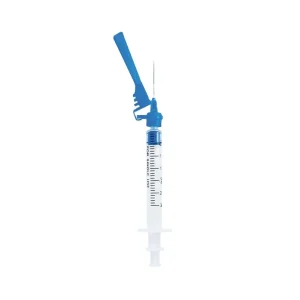
Providing technical documentation and training materials for healthcare workers on the safe operation of AD and retractable safety syringes.
Looking for a reliable manufacturing partner for the Ethiopian health sector? Our experts are ready to assist with technical specifications and bulk pricing.
Contact Our Growth Director TodayThe global hypodermic syringe market is projected to grow significantly as emerging economies increase their health expenditure. Within this matrix, Ethiopia stands as a pivotal hub for East Africa. By establishing strong trade relations with high-capacity Chinese manufacturers like JZCare, Ethiopian importers gain access to economies of scale that were previously unattainable.
Our commitment goes beyond simple exports; we aim to foster long-term partnerships that include knowledge transfer, quality assurance training, and consistent supply even during global logistics volatility. Every syringe delivered to an Ethiopian clinic represents our shared commitment to patient safety, precision, and healthcare progress.
 JZCare Syringe