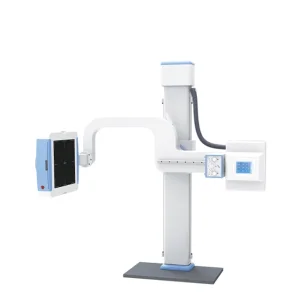
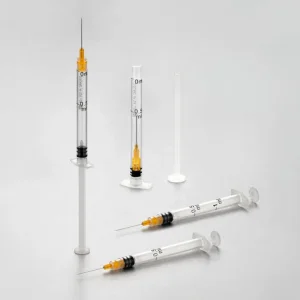
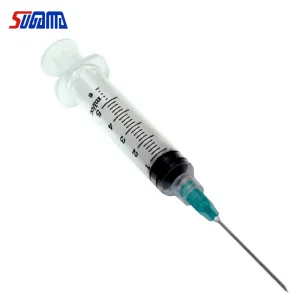
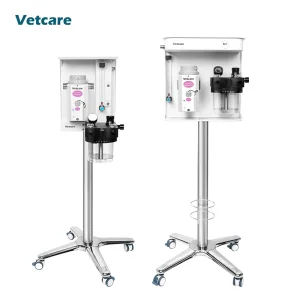
High-grade clinical instruments, anesthesia delivery systems, and advanced radiology components from our global production pipeline.
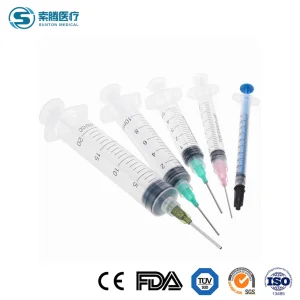
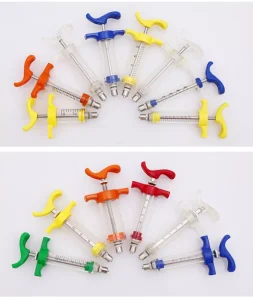
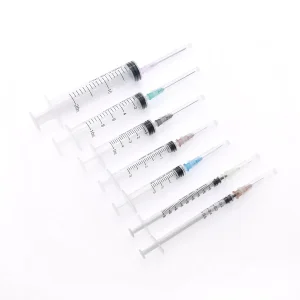
Understanding the macro-economic forces, engineering metrics, and standardizations driving modern B2B syringe manufacturing.
Production environments strictly conform to Class 100,000 (ISO 8) specifications. Bi-hourly particulate and microbial counts verify zero-contamination metrics during high-speed moulding.
High-precision injection tooling holds inner-diameter dimensional variances below 5 microns. This assures smooth plunger movement, minimal dead-volume, and linear dispensing rates.
Every production batch undergoes exhaustive quality audits, from resin melt-flow indexing to ethylene oxide (EtO) sterilization, guaranteeing conformity with international medical directives.
Established in 2011 and located in Hangzhou, China, Hangzhou JZCare Medical Co., Ltd. stands as a professional medical consumables manufacturer. The company specializes in disposable medical syringes, sterile injection devices, and high-quality healthcare disposable products for global medical markets. By integrating research and development, precision injection molding, automated production, sterilization processing, and global OEM/ODM services, JZCare has positioned itself as an industry-leading partner for global healthcare distributors.
The company operates a modern manufacturing facility covering approximately 26,000 square meters with more than 300 employees, including experienced engineers, quality inspectors, and production specialists. Annual production capacity exceeds 1.5 billion units of disposable medical products, supplying hospitals, clinics, laboratories, and healthcare distributors worldwide.
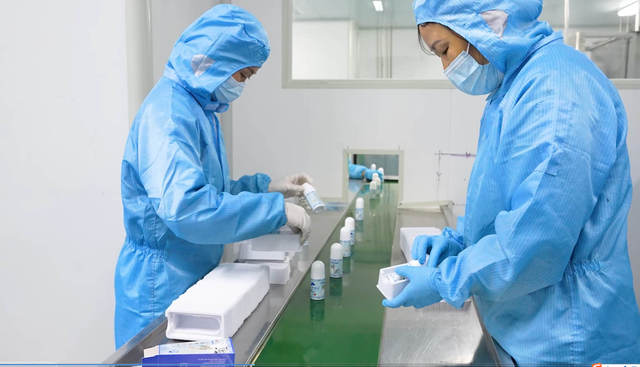
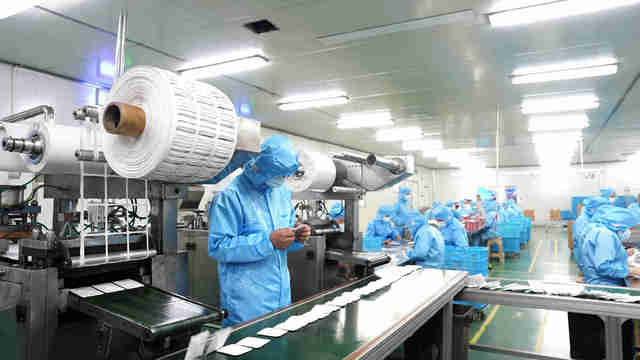
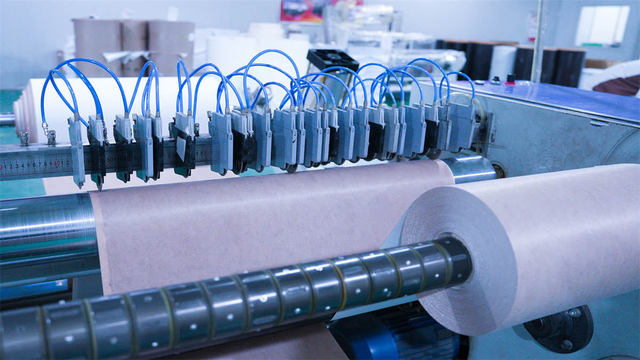
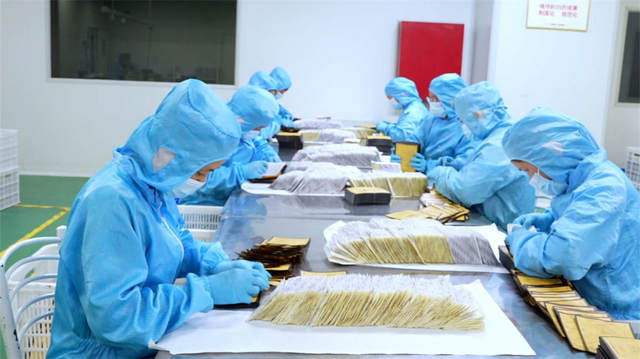
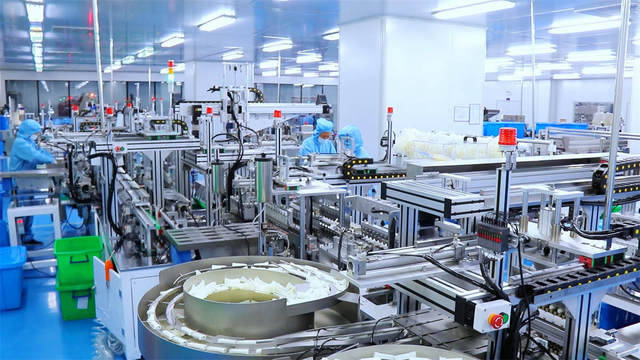
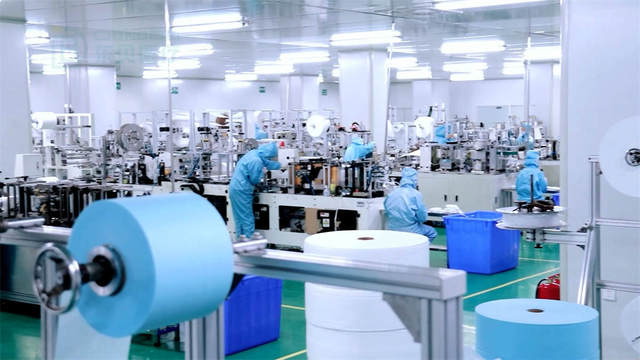
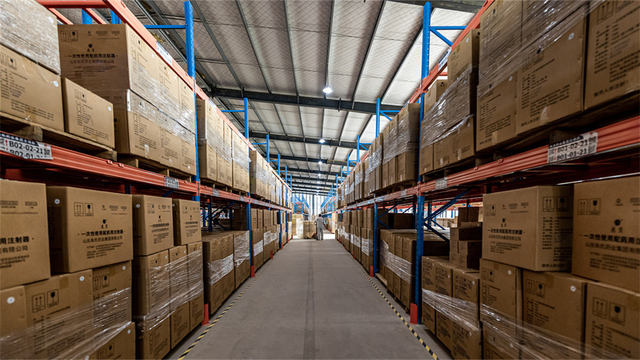
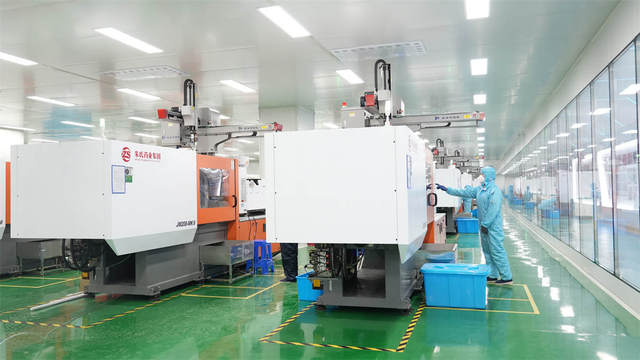
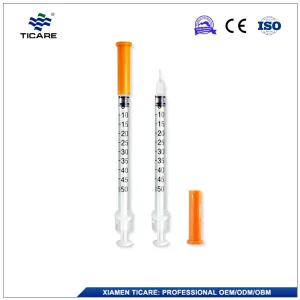
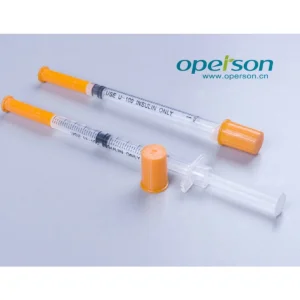
By adopting high-precision manufacturing technology, medical-grade materials, and rigorous sterilization processes, JZCare ensures reliable performance and patient safety in every product. Our core product range includes disposable syringes, hypodermic syringes, safety syringes, insulin syringes, luer lock and luer slip syringes, and various sterile medical injection consumables.
How distinct commercial sectors require different engineering tolerances and materials inside the factory.
For human clinical applications, syringes must conform strictly to ISO 7886 specifications. Factories must ensure ultra-low residue levels of silicone lubrication to prevent patient contamination, alongside high-precision graduation markings to guarantee accurate dosing of critical pharmaceuticals.
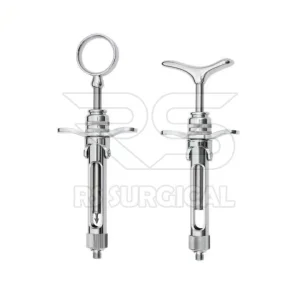
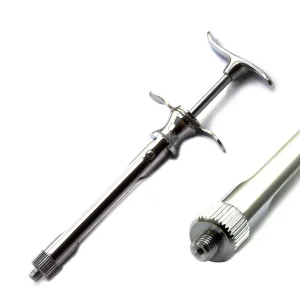
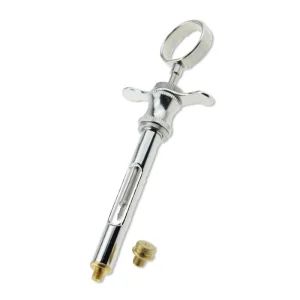
Dental cartridge syringes require surgical-grade stainless steel assemblies capable of repeating high-pressure anesthesia micro-dosing. These devices must endure repeated autoclaving cycles without dimensional fatigue, maintaining exact tolerances for standard 1.8ml cartridges.
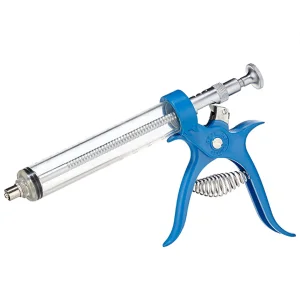
Veterinary medicine requires robust TPX plastics or impact-resistant resins that survive intense farm and field handling. Features must support adjustable volumetric safety locking mechanism rings to quickly dose multiple animals with viscous vaccines.
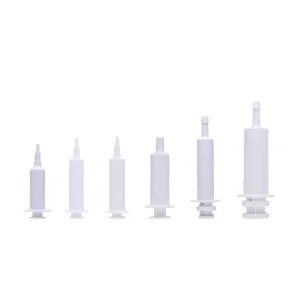
Beyond biological use, custom-molded syringes dispense precise fluxes, thermal pastes, or high-viscosity veterinary gels. Factories must formulate chemically resistant plunger gaskets to prevent solvent degradation and barrel leakage.
The convergence of smart electronics, biomaterial science, and zero-defect automation in dosing syringe production.
The manufacturing industry is shifting rapidly away from standard PVC and standard polypropylene toward medical-grade polyolefins and bio-based plastics. These materials offer identical clarity and thermal stability during sterilization, but feature significantly lower carbon footprints and negligible extractables/leachables. B2B buyers must partner with manufacturers whose supply chains are prepared to satisfy incoming EU carbon regulations.
Manual testing is no longer sufficient for high-volume healthcare orders. Leading factories integrate high-speed multi-camera vision systems that inspect 100% of products directly on the assembly line. These automated eyes detect microscopic bubbles in the barrel, misaligned needles, and graduation print errors, immediately ejecting anomalies. This system ensures near-zero defects across billion-unit production lines.
Driven by digital health tracking, factories are developing syringe barrels embedded with micro-RFID tags or laser-etched 2D data-matrix codes. This enables automated batch identification, patient compliance tracking, and counterfeit mitigation across the medical supply chain, bridging physical plastic delivery mechanisms with digital health software.
Navigating the complex regulatory landscape required for import, distribution, and clinical applications.
Sourcing medical syringes for the EU market requires adherence to Medical Device Regulation (EU) 2017/745 (MDR). Manufacturers must generate comprehensive clinical evaluation reports (CER), register with the EUDAMED database, and obtain CE markings through a certified notified body.
For US market entry, class II medical devices, including safety syringes and hypodermic needles, must obtain 510(k) premarket notification clearance. Factories must prove substantial equivalence to existing cleared predicate devices and maintain FDA Establishment Registration.
Importing into regions like Brazil (ANVISA) or Japan (PMDA) demands specific local quality system certifications. Sourcing from a factory that holds comprehensive ISO 13485 credentials dramatically accelerates these localized registration timelines.
Answers to critical technical and commercial questions compiled by our senior medical device sourcing analysts.
Luer Lock syringes feature a threaded connection tip that allows the needle to be screwed tightly onto the barrel, ensuring it cannot slide off under high backpressures, which is critical when administering viscous liquids. Luer Slip syringes utilize a friction-fit tapered tip, allowing needles to be pushed on quickly, ideal for low-pressure, rapid-use scenarios.
While veterinary syringes demand high chemical resilience and robust structural materials (like TPX plastic to resist mechanical impact and farm environments), human medical syringes focus heavily on ultra-low particulate contamination, needle sharpness geometries, and safety self-destruction mechanisms to mitigate accidental needle sticks.
Importers must present a Declaration of Conformity issued by the manufacturer, CE certificate from a Notified Body under MDR, ISO 13485 certificate, and proof of registration in the European Databank on Medical Devices (EUDAMED).
Too much silicone oil can lead to droplets leaching into the medication, which poses a serious risk with sensitive biologic drugs. Conversely, too little silicone oil results in high friction and "stiction," making smooth, micro-controlled dosing impossible. High-quality factories precisely control spray-coating steps to optimize this balance.
Standard custom projects take roughly 45 to 60 days, including custom mold design and validation (30 days), production runs, and EthO sterilization plus regulatory validation testing (15-20 days). Standard white-label catalog items typically ship within 20 to 30 days depending on production queue depth.
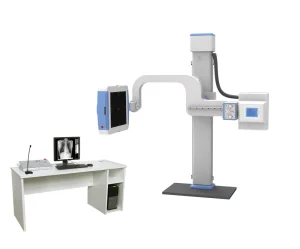
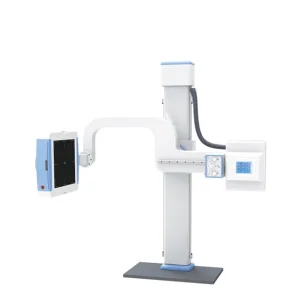
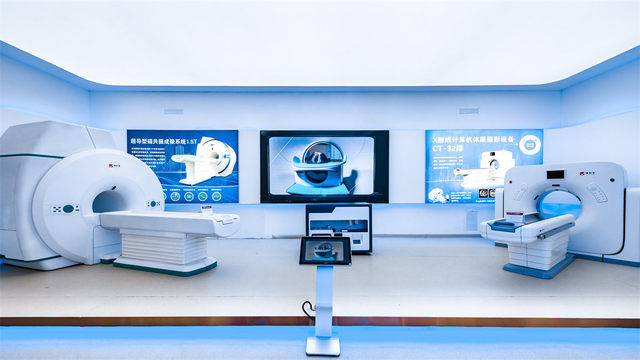
Discover our comprehensive selection of high-capacity medical syringes, veterinary units, and digital radiography machines.
 JZCare Syringe