Advanced clinical-grade drug delivery systems engineered for safety compliance and optimized patient outcomes.
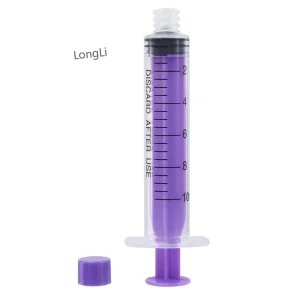
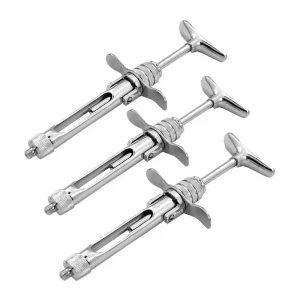
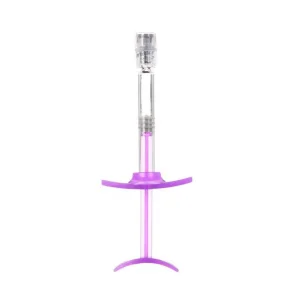
In contemporary clinical workflows and mass immunization programs, the prevention of needle-stick injuries (NSIs) and cross-contamination remains a primary focal point. Auto-Disable (AD) Injectors represent the frontline technology mandated by global organizations like the World Health Organization (WHO) and UNICEF to prevent the reuse of syringes. The engineering philosophy behind an auto-disable system is simple yet precise: once the pre-calibrated dose is delivered, the internal mechanism locks or breaks the plunger, rendering the syringe physically inoperable for subsequent injection attempts.
Historically, the widespread deployment of standard hypodermic syringes contributed to vertical transmission loops of pathogens such as Hepatitis B (HBV), Hepatitis C (HCV), and Human Immunodeficiency Virus (HIV). According to epidemiological assessments, safe injection technologies prevent millions of occupational and patient-side exposures annually. Consequently, medical buyers must move beyond transactional procurement towards understanding the mechanical specifications, material biocompatibility, and regulatory frameworks that differentiate high-tier manufacturers from baseline suppliers.
Not all safety injectors function identically. Modern mechanical designs generally fall under three primary architecture types.
An internal metal or plastic retaining ring situated inside the barrel catches the plunger head when fully depressed. Attempting to pull back the plunger results in it detaching from the stopper or snapping at a predefined break point.
Engineered with linear weaknesses along the plastic shaft. Under the backward tensile force of a reuse attempt, the plunger fractures along a pre-molded structural fault line, ensuring the device cannot hold vacuum.
An advanced active or passive mechanical configuration where the needle is pulled back directly into the barrel of the syringe immediately following the completion of the dosing cycle, neutralizing the needle tip completely.
Enterprise Capacity, High-Precision Injection Molding, and Complete Quality Management System
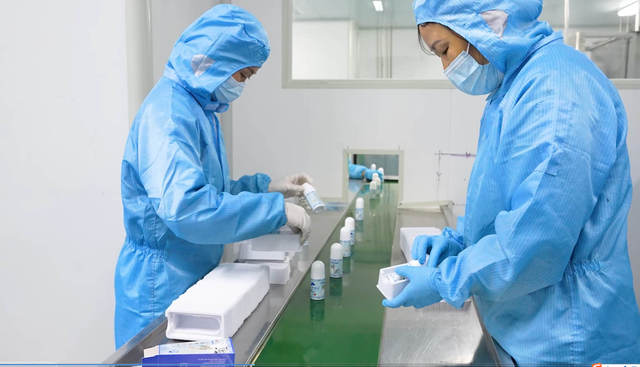
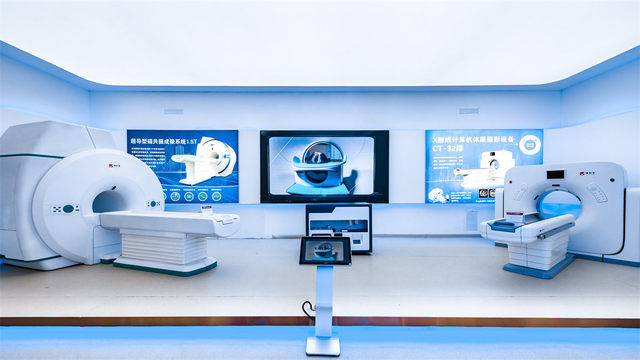
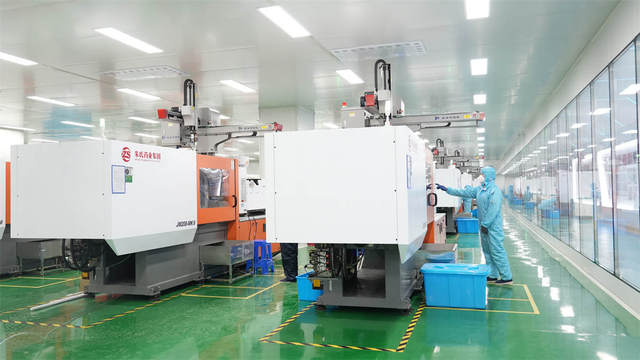
Established in 2011 in Hangzhou, China, Hangzhou JZCare Medical Co., Ltd. has evolved into a key international player in the medical consumables manufacturing sector. Specializing in disposable medical syringes, sterile injection devices, and high-quality healthcare single-use products, JZCare integrates advanced research and development (R&D) with precision cleanroom molding.
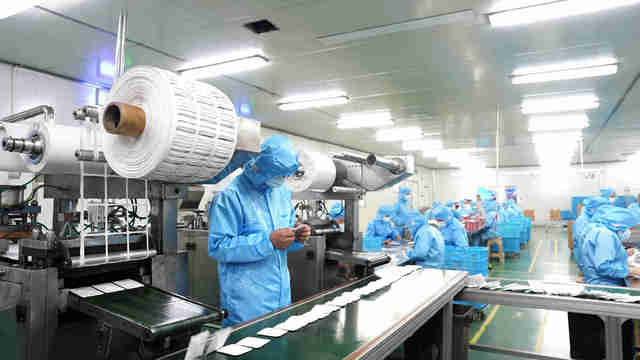
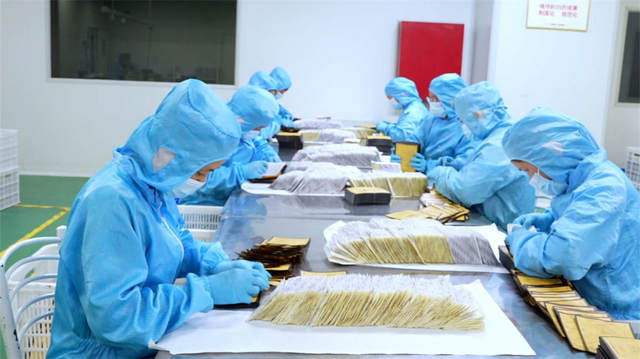
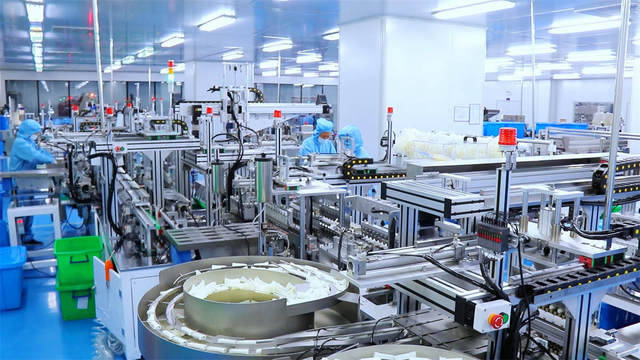
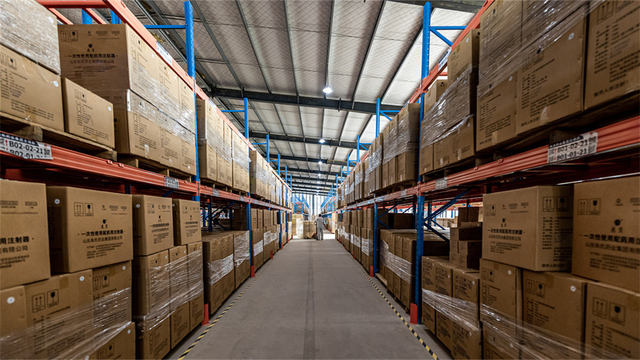
Operated within a modern 26,000 square meter manufacturing infrastructure, the facility employs over 300 highly qualified professionals, including polymer engineers, regulatory specialists, and quality inspectors. By deploying high-speed automated assembly lines and computerized Ethylene Oxide (EO) sterilization chambers, JZCare produces an excess of 1.5 billion units annually. The company serves global medical organizations, municipal health authorities, and wholesale distributors in over 80 countries.
Their technical catalog encompasses standard disposable syringes, hypodermic syringes, safety-engineered syringes, insulin delivery units, and specialized Luer Lock / Luer Slip syringe designs. All operations strictly adhere to international medical standards, including ISO 13485, CE certification, FDA 510(k), and WHO PQS criteria.

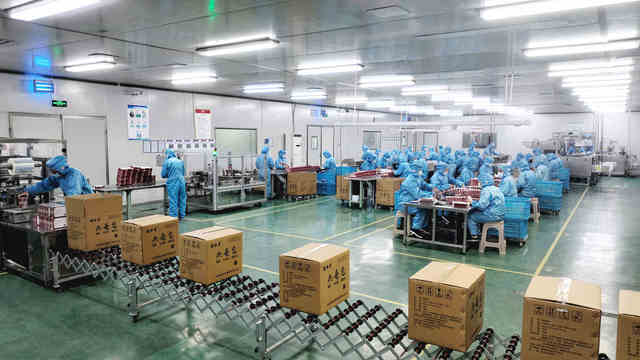
Analyzing the supply chain integrations, precision steel drawing, and chemical processing advancements.
China’s dominance in the sterile medical consumables market is not merely a consequence of labor cost efficiencies. Instead, it is driven by a highly integrated supply chain ecosystem. The regional clusters in Jiangsu and Zhejiang provinces locate raw material chemical synthesis, high-precision metal drawing facilities, sterilization validation centers, and international deep-water ports within a 100-kilometer radius.
For instance, the medical-grade polypropylene (PP) used to mold the syringe barrels must exhibit optimal clarity, low friction co-efficient, and complete resistance to radiation or heat during sterilization cycles. Chinese manufacturers leverage relationships with domestic and international chemical companies to source specialty polymers that meet strict biocompatibility standards (under ISO 10993). The cannula steel (typically grade 304 or 316L stainless steel) undergoes multiple cold-drawing phases to achieve microscopic wall thicknesses while retaining structural integrity, preventing painful bending or fracturing during intramuscular injections.
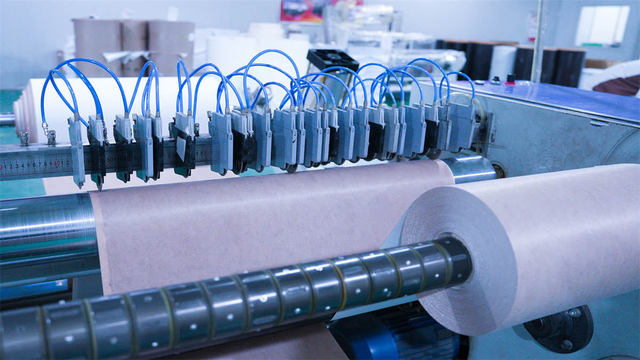
Additionally, automated assembly technologies have revolutionized China’s production lines. By integrating high-speed vision inspection systems, assembly machines verify the presence of the silicon lubricant, the integrity of the needle bevel, and the correct alignment of the auto-disable mechanism at speeds of up to 800 units per minute. This reduces the risk of defect rates to less than 50 parts per million (PPM), giving large-scale global buyers confidence in product consistency.
Sterilization processing is another technical field where China has scaled. Cleanroom environments are regulated strictly under GMP conditions, with regular particulate counter assessments, microbiological monitoring, and HEPA filtration management. Ethylene Oxide (EO) cycles are optimized using computerized pressure-pulse systems to ensure sterilization effectiveness (SAL of 10⁻⁶) while maintaining residual EO levels below the regulatory limit of 10 ppm, as defined by ISO 11135.
| Feature Parameter | Standard Disposable Syringe | Plunger-Lock AD Syringe | Retractable Safety Syringe |
|---|---|---|---|
| Primary Application | General clinical fluids, reconstitution | Immunization, high-risk clinical injections | High-contagion environments, home-care |
| Reuse Prevention | None (relies on medical protocol) | Passive (locks mechanically on plunger drop) | Active or Passive (needle retracts into barrel) |
| Dead Space Volume | Standard (variable depending on hub) | Low-dead space configurations optimized | Ultra-low dead space configurations available |
| Manufacturing Complexity | Low (3-part assembly) | Medium (requires lock ring integration) | High (requires spring or complex hub mechanisms) |
| Unit Economics | Baseline pricing | Slight premium (highly cost-effective) | Premium pricing (higher hardware cost) |
A systematic framework for institutional buyers, NGOs, and medical distribution networks.
Ensure the manufacturer holds current ISO 13485 certifications. For European markets, CE marking under the Medical Device Regulation (MDR 2017/745) is mandatory. For the United States, look for active FDA 510(k) clearance numbers. For global public health bids, validation under WHO PQS (Performance, Quality, and Safety) is the gold standard.
Audit the raw materials sourcing protocols. The plunger gasket must be latex-free, formulated from synthetic elastomers to prevent allergic reactions. Silicone oil coating levels must be closely monitored to prevent dry-stroke resistance while avoiding excess silicone droplets inside the vaccine suspension.
Examine in-house laboratory testing records. Key metrics include plunger actuation force (the ease of pushing), liquid leakage under pressure, dead space volume testing (crucial for expensive multi-dose vaccines), and the activation force of the self-destruct mechanism.
How safety-engineered injection devices are solving healthcare challenges on a global scale.
In large-scale public health drives led by NGOs and ministries of health, the challenge is maintaining clinical safety under high-volume pressure and often in remote environments. Standard syringes carry a high risk of accidental reuse by undertrained personnel or scavenging of medical waste.
Solution: The implementation of WHO-PQS prequalified AD syringes with fixed-needle designs. Because the needle cannot be detached and the syringe locks after a single stroke, it eliminates the risk of accidental reuse, protecting both clinical staff and the downstream community.
Hospital wards, emergency response units, and diagnostic laboratories are hotspots for occupational needle-stick injuries. An NSI exposes healthcare workers to dangerous blood-borne pathogens, leading to significant post-exposure prophylaxis costs and psychological distress.
Solution: Safety-engineered syringes with passive retractable needles or integrated needle guards. By shielding the needle bevel immediately after use, clinical facilities significantly reduce occupational hazard rates, lowering operational insurance and treatment costs.
Answers to critical questions regarding compliance, storage, mechanics, and international shipping.
The primary international standard is ISO 7886-3 (Sterile hypodermic syringes for single use - Part 3: Auto-disable syringes for fixed-dose immunization) and ISO 7886-4 (Syringes with re-use prevention features). These standards dictate the activation force, mechanical testing protocols, and safety performance criteria required for global markets.
"Dead space" refers to the residual fluid that remains in the syringe and needle after the plunger is fully depressed. In mass vaccination campaigns, minimizing this dead space is critical. Lower dead space designs can save up to 15-20% of vaccine doses across a population, optimizing program budgets and resource utilization.
Sterilization must comply with ISO 11135. Post-sterilization, the syringes undergo a validation degassing phase, storing the products in temperature-controlled warehouses to allow residual gas to dissipate. High-quality suppliers run regular gas chromatography tests to verify that EO residues are well below international clinical limits.
Under proper temperature and humidity controls, the standard shelf life is 5 years. This is determined by testing the integrity of the blister packaging material and verifying that the sterile barrier remains uncompromised over time.
Yes. Through OEM/ODM channels, suppliers can customize barrel graduation markings, needle gauges, and lengths. They can also adjust silicone oil density levels to ensure compatibility with high-viscosity medications or biologics.
Further systems and specialized tools designed for professional medical, dental, and diagnostic applications.
 JZCare Syringe