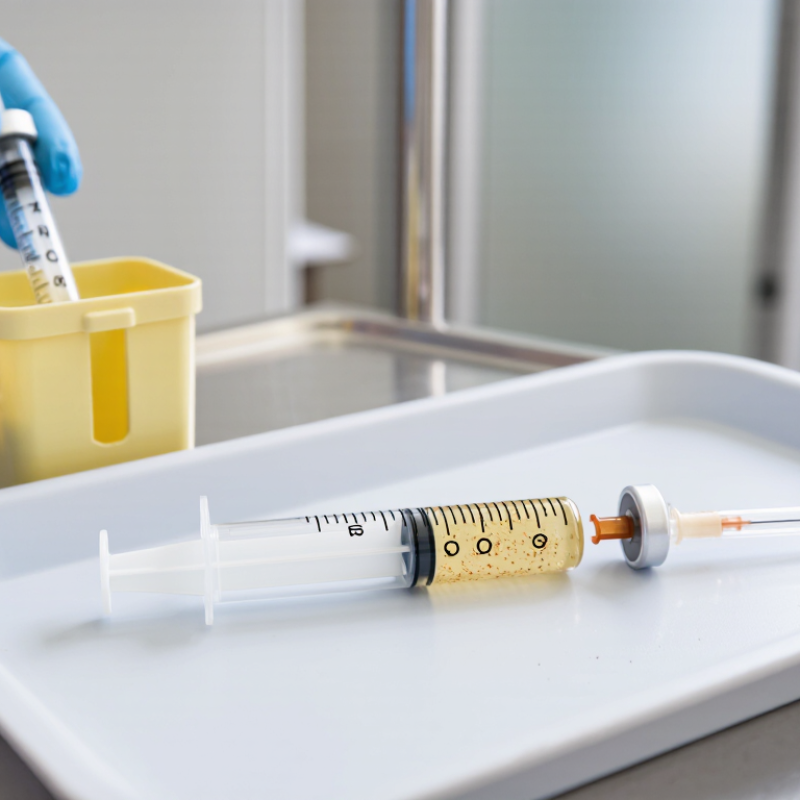
Why Are Syringes Single Use Only?

Time:2026-09-23 Author:Sophia
0%

Why are syringes single use only? The answer reaches beyond a simple hospital rule. A syringe may look clean after one injection, yet microscopic blood, medication residue, or microorganisms can remain inside its barrel and needle. These traces may be invisible. They can still create serious risks.

WHO infection-safety expert Dr. Edward Kelley has stated, “Unsafe injection practices can lead to transmission of life-threatening infections, such as HIV and hepatitis B and C.” His warning explains why healthcare workers discard syringes immediately after use. A used needle can carry blood into another patient, even when no stain is visible. Reusing the syringe can also contaminate a medication vial or transfer bacteria into tissue. One small mistake can spread harm.

Single-use design also protects injection accuracy. The needle becomes less sharp after entering skin, causing more pain and tissue injury. Syringe markings may become harder to trust when residue remains. Sterilizing a disposable syringe at home or in an ordinary clinic is not a dependable solution. Cleaning removes visible material, but it may not eliminate every pathogen. It may also damage the plastic or needle connection.

There is an uncomfortable point here. “It looks clean” is not evidence of safety. Human judgment is limited. Infection control must not depend on appearance, memory, or convenience. Safe practice means using a new, sealed syringe and needle for every injection, then placing them in an approved sharps container. That simple habit protects patients, clinicians, and the wider community.

Why Are Syringes Single Use Only?

What a Syringe Is and How Its Main Parts Function

Why Are Syringes Single Use Only?

What a Syringe Is and How Its Main Parts Function

A syringe is a small, precise fluid-delivery device. Its barrel holds the medication, while the plunger creates pressure for controlled movement. A rubber stopper helps maintain a seal inside the barrel. At the front, the tip connects to the needle through a hub. Each part matters.

When the plunger moves forward, pressure pushes fluid through the narrow needle. Pulling it backward creates suction and draws liquid into the barrel. The clear barrel allows healthcare workers to check volume and air bubbles. Even a tiny bubble can affect accuracy. It seems simple, but small errors matter.

The single-use rule protects sterility and measurement accuracy. A syringe may look clean after use, yet invisible blood or microorganisms can remain inside the tip, gasket, or dead space. The World Health Organization estimated that unsafe injections contributed to 1.7 million hepatitis B infections, 315,000 hepatitis C infections, and 33,800 HIV infections worldwide in 2010. These figures appear in its Global Burden of Disease from Unsafe Medical Injections report.

The U.S. Centers for Disease Control and Prevention also advises using a new sterile syringe for every patient and injection. Reusing the same syringe can contaminate medication containers, even when the needle is replaced. That detail is often underestimated. A new needle cannot make a used barrel sterile. Careful handling still matters, because packaging damage, wet surfaces, or poor disposal can undermine safety.

How Reusing Syringes Can Spread Bloodborne Infections

A syringe is designed for one person and one procedure. After use, tiny amounts of blood can remain inside the needle hub, barrel, or tip. These traces may be invisible. They can still carry bloodborne infections, including hepatitis B, hepatitis C, and HIV.

Reusing a syringe can transfer contaminated blood directly into another person’s bloodstream. Changing only the needle does not make the syringe safe. The barrel may already contain microscopic contamination.

Even reuse by the same person can introduce bacteria, damage tissue, or affect the accuracy of a dose. It may seem reasonable to save an unused-looking syringe. That assumption is unsafe.

Clinical safety guidance treats every used syringe as contaminated waste. Healthcare workers use sterile, sealed equipment and discard it immediately after the procedure. They also avoid placing used needles on open surfaces, where accidental contact can occur.

At home, people managing prescribed injections should follow instructions from a qualified healthcare professional and use approved sharps containers. Household cleaning cannot reliably restore sterile safety.

I used to think visible cleanliness meant low risk. It does not. Bloodborne infections often leave no visible sign.

Why Sterility Cannot Be Guaranteed After First Use

Why Are Syringes Single Use Only?

Why Sterility Cannot Be Guaranteed After First Use

A syringe may look untouched after use. That appearance proves very little. Sterility means freedom from harmful microorganisms, not simple visual cleanliness. During use, the needle, barrel, or tip can contact skin, gloves, medication, or nearby surfaces. Even brief contact may introduce bacteria or other contaminants.

A sealed syringe has controlled manufacturing, packaging, and storage conditions. After opening, those conditions disappear. A cap may protect the needle from dust, but it cannot restore sterility. Moisture, air exposure, handling, and tiny surface damage can create additional concerns. The needle may also become dull, bent, or contaminated with microscopic material. These changes are easy to miss.

It is tempting to think careful handling makes reuse safe. That assumption deserves questioning. Cleaning with a household method cannot prove that all microorganisms were removed. Validated sterilization requires controlled equipment, procedures, and testing. Clinical professionals therefore treat used syringes as contaminated, even when they appear clean. This approach protects patients from infections and prevents medication transfer between people. The rule may seem wasteful, but visual inspection cannot replace validated sterility.

Why Are Syringes Single Use Only?

Sterility cannot be guaranteed after first use because the syringe may contact microorganisms, blood, medication, surfaces, or the environment.

Chart interpretation: “1” means sterility assurance may be maintained when the product is unopened or handled aseptically before use. “0” means sterility is no longer guaranteed after injection or reuse. A syringe and needle must not be reused, even on the same patient, because contamination can be transferred between the patient, medication, and equipment.

Reference basis: public infection-prevention guidance from the U.S. Centers for Disease Control and Prevention and the World Health Organization.

How Reuse Damages Syringe Safety and Measurement Accuracy

Why Are Syringes Single Use Only?

How Reuse Damages Syringe Safety and Measurement Accuracy

A syringe can look clean after one procedure, yet appearance proves very little. Invisible residue may remain inside the barrel, tip, or needle connection. During routine clinical work, even a tiny fluid film can alter the next measurement. Some substances also dry into a thin layer that affects the plunger’s movement.

Reuse creates another problem: contamination can travel between surfaces, hands, containers, and patients. Cleaning may remove visible material without restoring sterility. It can also leave moisture or cleaning residue behind. That risk is easy to underestimate. A small error can matter.

The rubber seal and plastic barrel are designed for one controlled use. Repeated pressure may deform the seal, increase friction, or create uneven movement. The plunger may then stick briefly and suddenly slide forward. This can release more liquid than intended. Air bubbles become harder to notice when residue clouds the barrel. A damaged tip may also connect less securely, causing leakage or inaccurate delivery.

I have seen how a hurried measurement becomes less reliable when the plunger feels rough. The scale may still look precise, but the device is no longer performing as designed. That is an uncomfortable detail. People often trust clean-looking equipment too quickly. For accurate dosing and safer handling, trained users should follow the syringe’s labeling and approved clinical procedures, including disposal after use.

How Proper Disposal Prevents Injuries and Medical Waste Risks

Why Are Syringes Single Use Only?

A syringe may look clean after one injection, but invisible blood and tissue particles can remain inside. Reusing it can transfer infections between patients or contaminate medication. A fresh syringe protects the patient, the healthcare worker, and anyone handling waste later. Single use is not wasteful when compared with preventable injuries and treatment costs.

Disposal must begin immediately after use. Place the entire syringe into a rigid, leak-resistant sharps container near the treatment area. Do not bend, break, or recap the needle. A loose needle can pierce a thin trash bag, a worker’s glove, or someone’s hand during collection. Small details matter. The container should remain upright and close before it becomes overfilled. Dispose of it according to local healthcare waste procedures.

Overfilled containers create another hazard. Needles may stick through the opening or fall onto floors and transport carts. Trained staff should seal containers at the marked fill line and send them through approved medical waste channels.

Household settings need equal care; children, pets, and sanitation workers may encounter discarded sharps. I have seen how quickly a routine task becomes unsafe when a container is out of reach. That mistake is easy to repeat, so disposal planning should happen before the injection, not after it.

FAQS

Why are syringes designed for single use?

Their barrel, seal, and connection are made for one controlled procedure. Reuse can increase contamination, friction, leakage, and measurement errors.

Can a syringe be safe if it looks clean?

Not necessarily. Invisible residue, blood, or tissue particles may remain inside the barrel or needle connection.

How can reuse affect measurement accuracy?

Dried residue may resist plunger movement. The plunger can stick, then suddenly release extra liquid.

Why are air bubbles more difficult to detect after reuse?

Residue can cloud the barrel and reduce visibility. A precise-looking scale may no longer support a reliable measurement.

What contamination risks come from syringe reuse?

Contamination can move between surfaces, hands, containers, and patients. Cleaning may remove visible material without restoring sterility.

What should happen immediately after syringe use?

Place the entire syringe into a rigid, leak-resistant sharps container. Keep the container close to the treatment area.

Should used needles be bent, broken, or recapped?

No. These actions can cause punctures through gloves, trash bags, or exposed skin. Small handling steps matter.

How can people reduce disposal injuries?

Keep the container upright and seal it at the marked fill line. An overfilled container can expose needles on floors or transport carts.

What should households consider when disposing of syringes?

Children, pets, and sanitation workers may encounter discarded sharps. Plan disposal before use, not afterward. That detail is easy to miss.

Why can a damaged syringe cause unexpected delivery?

Repeated pressure may deform the seal or damage the tip. Leakage, uneven movement, or a sudden plunger slide can follow.

Conclusion

A syringe is a medical device designed to draw up and deliver a precise amount of liquid. Its main parts—the barrel, plunger, tip, and needle—work together to control fluid movement and support accurate administration. Understanding why are syringes single use only begins with safety: after one use, blood or other biological material may remain inside or on the device, even when it appears clean. Reusing it can transfer bloodborne infections between people and expose patients or healthcare workers to unnecessary harm.

Sterility also cannot be reliably restored outside specialized manufacturing and sterilization processes. Cleaning may leave behind invisible contamination, while repeated use can dull or bend the needle, damage the seal, cause leaks, and reduce measurement accuracy. These problems may lead to incorrect dosing or painful administration. After use, syringes should be placed immediately in an approved sharps container. Proper disposal helps prevent accidental needle injuries, limits contamination, and supports safer management of medical waste.

Sophia

Sophia

Sophia is a dedicated marketing professional with an exceptional depth of knowledge about her company's products and services. With a keen understanding of market trends and customer needs, she crafts insightful blog posts that not only inform but also engage readers, enriching the company’s online......