Using syringes for home medication can be daunting for many. It raises the question: can syringes be used for home medication? The answer is yes, but caution is essential. Syringes offer precise dosing, which is especially beneficial for patients with chronic conditions. However, improper use can lead to complications.
Many people fear using syringes due to potential risks. They worry about dosage errors or infections. It’s crucial to understand the right techniques for filling and administering medication. A clean workspace and sanitized equipment can make a significant difference. Additionally, knowing how to dispose of syringes safely is vital for preventing accidents.
Families should be educated on using syringes. This knowledge fosters confidence in administering medication. Remember, using syringes is not just about technique; it’s about ensuring safety for everyone involved. A moment's negligence can have significant consequences. Awareness and practice can empower individuals to manage their health effectively while minimizing risks.
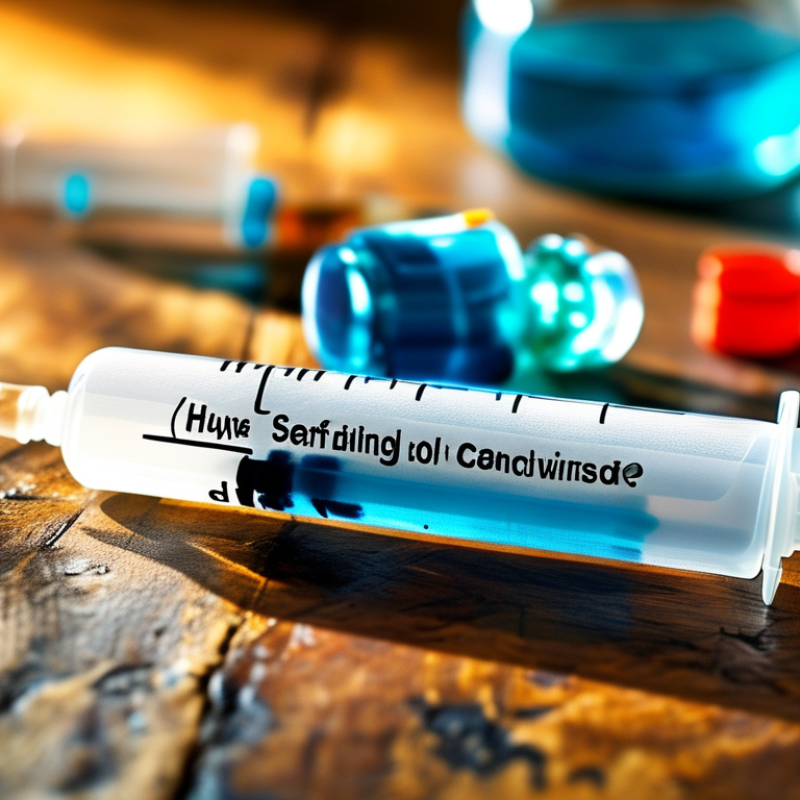
Understanding Different Types of Syringes for Home Use
When it comes to using syringes at home, understanding the different types is crucial. There are several varieties, each designed for specific purposes. For example, insulin syringes are fine-tipped and ideal for those managing diabetes. Their small volume makes them suitable for accurate dosages. On the other hand, oral syringes are perfect for administering liquid medications to children. They're easy to use and minimize spills.
Tips: Always check the syringe size before use. For accurate dosing, ensure you are using the correct type. Be cautious with needle length; longer needles are not always necessary and can cause discomfort.
Some people might struggle with needle anxiety, affecting their ability to administer medication. It's important to tackle this. You can seek support from a healthcare professional. They can guide you through the process and help ease your concerns.
Tips: Create a calm environment when using syringes. Have everything prepared in advance, from alcohol wipes to gauze. Practicing good hygiene is essential to prevent infections. Regularly review your technique, as mistakes can happen. Awareness and practice can significantly improve confidence and safety when using syringes at home.
Essential Safety Precautions Before Using Syringes at Home
Using syringes for home medication can be effective, but safety must come first. Before administering any medication, gather all necessary materials. This includes clean syringes, medication, and antiseptic wipes. Ensure your hands are washed thoroughly. Using gloves may add a layer of protection, especially for those with sensitive skin.
It's crucial to check the syringe for any defects. A damaged needle can lead to complications. When drawing medication, ensure the syringe is held upright to avoid air bubbles. If air is introduced into the syringe, it could affect dosages. Also, double-check the dosage before injecting. Mistakes happen, and even minor inaccuracies can lead to serious side effects.
Dispose of used syringes properly. Use a sealed container that is clearly marked. Family members and pets could accidentally get hurt if syringes are left lying around. Reflect on your process each time you use a syringe. What went well? What could be improved? Taking time for this self-assessment can enhance safety and effectiveness in future uses.
Step-by-Step Guide to Drawing Up Medication with a Syringe
Using a syringe for home medication can be straightforward, but precision is vital. Begin by gathering all your supplies. You’ll need the medication, a clean syringe, and alcohol wipes. Make sure your hands are clean. Wash them thoroughly. This reduces the risk of infection.
When drawing up medication, first, check the syringe and needle for any defects. Place the syringe in the vial and turn it upside down. Pull the plunger back gently to draw in the medication. Watch for air bubbles. If you see any, tap the syringe lightly to rise to the top. Push the plunger slightly to expel the bubbles.
It’s crucial to handle syringes with care. Improper usage can lead to inaccurate dosages. Always double-check your measurement. Reflection is essential after each use. Did you follow all the steps? Did you feel confident? Regular self-assessment can improve your technique. Practice makes perfect, but patience is equally necessary.
Proper Injection Techniques for Safe Medication Administration
Proper injection techniques are critical for safe medication administration at home. The American Diabetes Association reported that improper injection practices can lead to complications such as infections and inadequate drug absorption. To avoid these issues, it is essential to understand and apply the correct methods when using syringes.
Before any injection, wash your hands thoroughly. This simple step reduces the risk of introducing bacteria. When drawing medication into the syringe, ensure there are no air bubbles. An air bubble can affect the dosage and lead to under-treatment. In studies, healthcare professionals have emphasized that even a small deviation in dose can lead to significant health impacts.
Choosing the right injection site is also important. The thighs and abdomen are often recommended, but they can vary based on the medication and patient. Rotating injection sites prevents tissue damage and promotes better absorption. Inadequate site rotation can lead to lipodystrophy, a condition that affects fat distribution. Reflecting on these practices can enhance safety and efficacy when administering medications at home.
How to Use Syringes for Home Medication Safely?
| Step |
Action |
Safety Tips |
Common Mistakes |
| 1 |
Wash hands thoroughly with soap and water. |
Always clean your hands before handling syringes. |
Skipping hand hygiene can lead to infections. |
| 2 |
Prepare the medication as instructed, ensuring the correct dosage. |
Double-check the medication and dosage before drawing up. |
Failing to verify the dosage can lead to overdoses. |
| 3 |
Draw the medication into the syringe. |
Ensure there are no air bubbles in the syringe before injecting. |
Injecting air can affect the medication's efficacy. |
| 4 |
Select and clean the injection site properly. |
Use an alcohol swab to cleanse the area. |
Ignoring site hygiene increases infection risk. |
| 5 |
Insert the needle at the correct angle and inject the medication. |
Follow the recommended angle for different injection types. |
Incorrect angle can cause pain or damage to tissues. |
| 6 |
Withdraw the needle carefully and dispose of it safely. |
Use a sharps container for disposal. |
Improper disposal can harm others and the environment. |
Disposal Methods for Syringes to Ensure Environmental Safety
Disposing of syringes safely is crucial for health and environmental protection. A report from the Environmental Protection Agency indicates that improper disposal can lead to serious health risks and environmental damage. Over 7 billion used syringes are discarded annually in the United States alone. Each one poses a risk not only to waste management workers but also to the general public.
Safe disposal methods include using designated sharps containers. These containers are designed to prevent needle stick injuries. Many local health departments provide these containers. Alternatively, consider programs for needle take-back or drop-off. Data from the U.S. Centers for Disease Control and Prevention shows that these programs significantly reduce the risk of contamination and injury.
Home users often overlook the importance of proper sanitation. Washing hands before and after handling syringes is essential. Neglecting this can increase the chance of infection. Furthermore, while some may choose to dispose of syringes in regular trash, this practice can lead to hazardous situations. Adopting responsible disposal methods protects everyone in the community. It's not just about disposing of waste; it's about preserving public health and safety.
Conclusion
The article titled "How to Use Syringes for Home Medication Safely?" provides a comprehensive overview of safely using syringes at home. It begins by discussing the different types of syringes suitable for home use, highlighting their specific applications. The importance of essential safety precautions is emphasized, ensuring that users are well-informed before administering any medication.
A step-by-step guide outlines the correct technique for drawing up medication with a syringe, followed by proper injection techniques to minimize risks during administration. Finally, the article addresses the crucial aspect of syringe disposal, presenting environmentally safe methods to prevent pollution. Overall, it confirms that syringes can be used for home medication when proper procedures are followed, promoting both user safety and environmental responsibility.

 JZCare Syringe