Syringes play a vital role in modern medicine, but many may wonder, why are syringes single use only? This question is critical due to the risk of contamination and infection. According to a report by the World Health Organization, unsafe injection practices cause over 2 million infections each year. This statistic underscores the need for strict guidelines on syringe usage.
Dr. Emily Carter, an expert in public health, has emphasized this point: "Single-use syringes are not just a recommendation; they are essential for patient safety." The dangers of reusing syringes are not merely theoretical. Each time a syringe is used, there’s a chance of transmitting bloodborne pathogens. Even if a syringe appears clean, microscopic residues can harbor harmful bacteria or viruses.
In today's healthcare landscape, the cost of a single syringe is minimal compared to the potential fallout of infection control breaches. As our understanding of disease transmission evolves, so does the importance of adhering to best practices in syringe use. Grasping the significance of why syringes are single use only is crucial for both healthcare providers and patients alike.
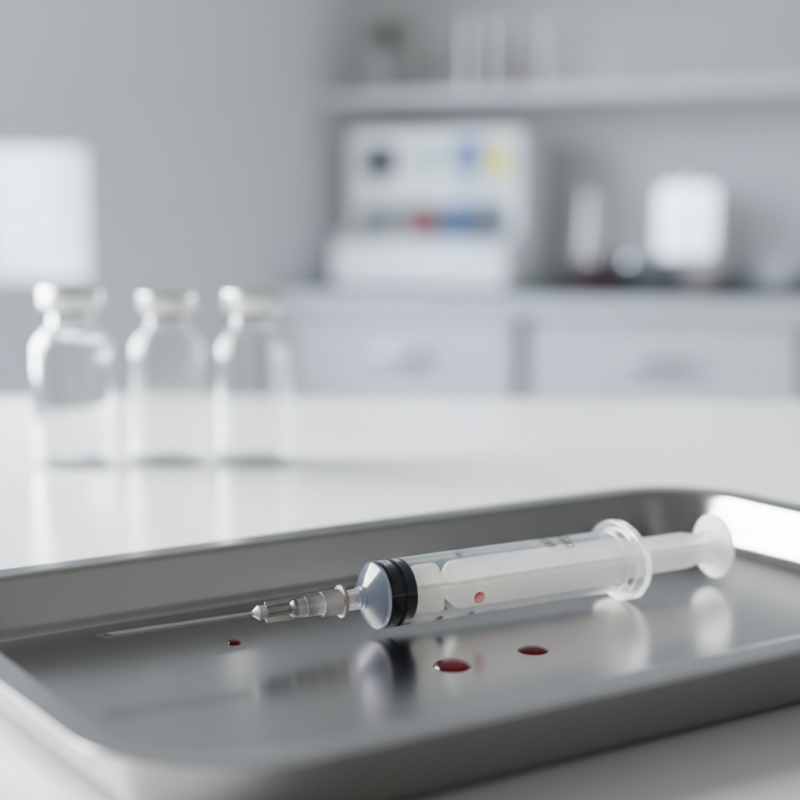
Single-use syringes are a critical component in healthcare today. Their purpose goes beyond mere convenience; they play a vital role in patient safety. Each syringe is designed for a single patient and a single use, helping to prevent cross-contamination and the spread of infections. Healthcare professionals must adhere strictly to this guideline. Skipping this can lead to serious consequences.
In addition to preventing infections, single-use syringes also support accurate dosing. They come pre-measured and sealed, ensuring that patients receive the correct amount of medication. This precision is crucial in critical situations, where timing and dosage can affect outcomes. However, some may wonder about the environmental impact. Recycling can be difficult due to potential contamination. This raises questions about waste reduction in medical settings.
It’s essential to educate patients about this practice. Understanding helps them feel more comfortable during procedures. Those who question the necessity of single-use syringes should consider the risks involved. Trust in established medical guidelines leads to safer healthcare for everyone.
Reusing syringes poses significant health risks. When a syringe is used, it can carry pathogens, some of which may be deadly. Blood-borne diseases, such as HIV and hepatitis, can be transmitted through shared syringes. Even a small drop of blood left in the syringe can infect someone else. This silent risk grows with each reuse, as pathogens multiply and resist treatments.
The reuse of syringes can lead to infections and complications. Local infections can occur at the injection site. Systemic infections can also arise, leading to serious health consequences. Additionally, the integrity of the syringe degrades with each use. A damaged syringe may not deliver medication properly, leading to inadequate treatment.
Tips to remember: Always use a new syringe for each injection. If you are unsure, seek professional guidance. Proper disposal of syringes is crucial. Use designated sharps containers. This ensures safety for both users and the broader community. Stay informed about safe practices to prevent spreading infections.
Health regulations around syringe usage prioritize patient safety and infection prevention. Single-use syringes are designed to mitigate the risk of transmitting infections, such as hepatitis B, hepatitis C, and HIV. According to the World Health Organization (WHO), reusing syringes contributes to over 16 million new hepatitis C infections annually. This alarming statistic underscores the importance of adhering to strict health regulations.
Infection control mandates dictate that syringes be disposed of immediately after a single use. This practice is critical in healthcare settings. In the United States, the Centers for Disease Control and Prevention (CDC) emphasize the role of single-use syringes in lowering healthcare-associated infections (HAIs). A report indicated that HAIs affect 1 in 31 hospital patients on any given day, often stemming from improper hygiene practices. Notably, in 2021, the economic burden of HAIs was estimated at $35 billion in extra healthcare costs in the U.S. alone.
Despite the clear benefits, some healthcare providers still face challenges in fully implementing these guidelines. Inadequate training and insufficient resources can hinder compliance. Moreover, the environmental impact of waste disposal cannot be ignored. How can healthcare systems find a balance between safety and sustainability? Addressing these questions will be crucial as the industry navigates the complexities of healthcare delivery.
This chart illustrates the reasons for single-use syringes according to health regulations. Each category represents a significant factor in the decision to limit syringes to a single use, emphasizing patient safety and infection control.
The environmental impact of single-use syringes is significant yet often overlooked. Each year, countless syringes end up in landfills, contributing to plastic waste. Their production demands resources, such as petroleum and energy. The use of single-use syringes has led to a rise in plastic pollution, which harms wildlife and ecosystems.
Improper disposal adds to this problem. Many people are not aware of safe syringe disposal methods. Instead, they may throw them in regular trash or recycle bins, which leads to potential hazards. Moreover, single-use syringes can take hundreds of years to decompose. This creates a long-term environmental burden that affects our planet.
However, alternatives do exist. Some healthcare facilities are exploring reusable syringes and eco-friendly materials. As awareness grows, it becomes essential to consider sustainable options. The challenge lies in changing habits and policies to reduce reliance on single-use products. A collective effort is necessary to tackle this urgent issue.
When it comes to syringe disposal, safety is paramount. Used syringes can pose significant health risks if not discarded properly. They may carry bloodborne pathogens and other contaminants. Thus, practicing safe disposal is crucial for everyone’s well-being.
One effective method for disposal is using a designated sharps container. These containers are puncture-proof and prevent accidental needle sticks. After use, place the syringe in the container immediately. Avoid leaving it unsecured. Many communities offer take-back programs for these containers. It helps to reduce environmental impact, but participation may vary.
Education around syringe disposal is often lacking. People may not know where to get sharps containers or how to dispose of them properly. This gap can lead to unsafe practices. It’s essential to raise awareness and provide clear resources. By doing so, we can foster a safer environment for all. Dispelling myths and ensuring proper knowledge is key.
| Category | Description | Best Practice |
|---|---|---|
| Infection Control | Using a syringe only once helps prevent the transmission of infectious diseases. | Dispose of used syringes immediately in a designated sharps container. |
| Safety | Reusing syringes increases the risk of needle-stick injuries. | Always use new syringes for each patient or procedure. |
| Legal Compliance | Laws and regulations mandate the use of single-use syringes in many regions. | Stay informed about local regulations regarding syringe use and disposal. |
| Environmental Impact | Improper disposal can lead to environmental hazards. | Always use a sharps disposal container and follow local disposal guidelines. |
: They are critical for patient safety and help prevent cross-contamination and infections.
Reusing syringes can cause serious infections and transmit blood-borne diseases easily.
They come pre-measured and sealed, ensuring patients receive the correct dosage of medication.
Reusing syringes can lead to local and systemic infections, and syringes may become damaged.
It helps them feel comfortable and understand why single-use syringes are necessary for safety.
Regulations mandate immediate disposal after a single use to prevent infection transmission.
Recycling is complicated due to potential contamination, raising concerns about medical waste management.
Some struggle with inadequate training and resources, impacting their ability to follow safety protocols.
They are linked to significant economic costs and affect many hospital patients daily.
Finding innovative solutions for sustainable waste disposal without compromising patient safety is essential.
The article "How to Understand Why Syringes Are Single Use Only" explores the critical reasons behind the single-use policy for syringes. It highlights the purpose of single-use syringes, emphasizing that they are designed to prevent cross-contamination and infections that can arise from reuse. The discussion includes the numerous risks associated with reusing syringes, such as the transmission of bloodborne pathogens.
Additionally, it outlines the health regulations that govern syringe usage to ensure patient safety. The environmental impact of single-use syringes is also examined, showcasing the challenges associated with disposal and waste management. Lastly, the article offers best practices for safe syringe disposal, reinforcing the importance of proper handling to minimize risks to public health and the environment. Overall, it provides a comprehensive understanding of why syringes are single use only and the implications of this practice.
JZCare Syringe