In healthcare settings, needle injuries remain a significant concern. These injuries can lead to serious infections and other health risks. As a result, the development of safety syringes has become essential. Their design aims to protect both healthcare workers and patients.
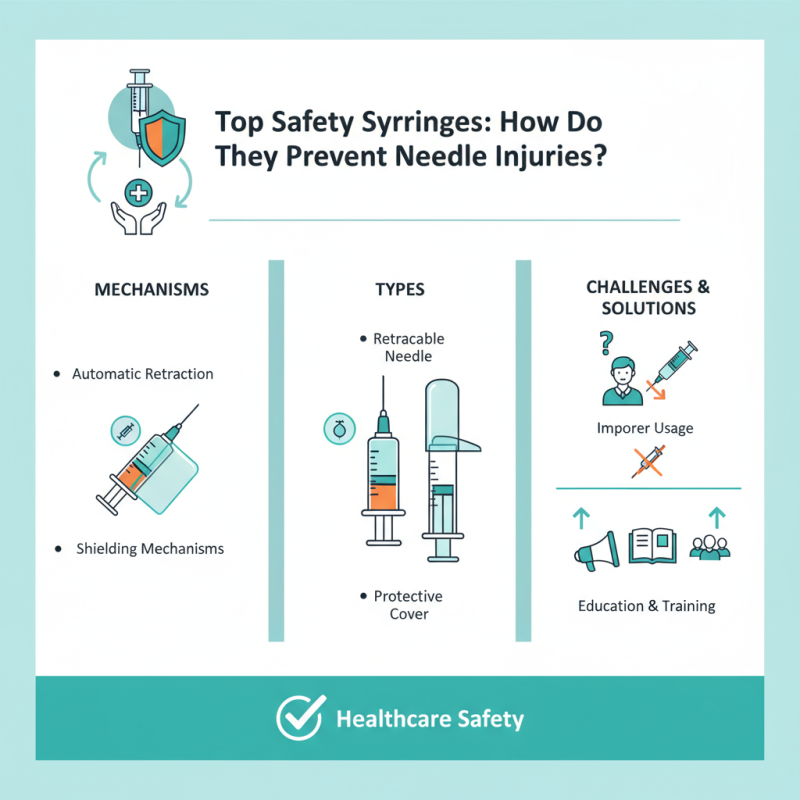
Understanding how do safety syringes prevent needle injuries is crucial. Safety syringes incorporate innovative features such as automatic retraction and shielding mechanisms. These elements minimize the risk of accidental needle sticks. It is important to explore the various designs available. Some syringes use a retractable needle, while others feature a protective cover. Each type offers unique advantages.
However, challenges persist. Not all users may be familiar with the correct operation of safety syringes. This can lead to improper usage. Education and proper training are vital to maximize their effectiveness. By raising awareness of safety syringes, the healthcare community can reduce needle-related injuries significantly.
Needle injuries are a significant concern in medical environments. Each year, thousands of healthcare workers experience accidental needle sticks. These injuries can lead to serious health risks, including infections and diseases. Understanding the causes of these injuries is crucial for prevention. Most accidents occur during the disposal or handling of needles. Poor technique and lack of proper safety equipment play major roles.
In response to this risk, safety syringes have emerged as a vital solution. These devices are designed with features that minimize the chances of accidental exposure. Some safety syringes retract the needle after use, greatly reducing the risk of needle stick injuries. Others have shielding mechanisms that cover the needle immediately after injection. This technology represents a significant advancement in reducing harm to healthcare workers.
Despite these innovations, challenges still exist. Not all healthcare providers may be trained in using these safety devices properly. Additionally, some may resist their use due to lack of familiarity or perceived inconvenience. It is essential to address these barriers through education and a commitment to safety. Continuous improvement and awareness are needed to make our medical environments safer for everyone.
Safety syringes are pivotal in reducing needle injuries in healthcare settings. Their design features allow for safer injection practices. According to the Centers for Disease Control and Prevention (CDC), approximately 385,000 needlestick injuries occur annually among healthcare workers. This alarming statistic underscores the urgent need for effective safety measures.
A common design feature is the retractable needle. After an injection, the needle retracts automatically into the syringe. This mechanism prevents accidental needle sticks and enhances safety. Studies show that safety syringes can reduce needlestick injuries by up to 80%. Another feature is the integrated safety shield. It provides a barrier between the needle and the user, offering an additional layer of protection.
Despite the advancements, challenges remain. Not all safety syringes operate seamlessly. Some healthcare professionals report difficulty in using certain designs. Training on proper technique is vital to maximize their benefits. Ongoing research and feedback are essential for improving these devices. The goal is to create a safer work environment for all healthcare providers.
Safety syringes are engineered to minimize the risk of needle stick injuries. These devices use mechanisms that retract or shield the needle after use. This feature significantly lowers the chances of accidental punctures. By examining how safety syringes operate, we can appreciate their vital role in healthcare settings.
One common mechanism is the automatic retraction of the needle. Once the injection is completed, the syringe triggers a spring-loaded mechanism. This quickly pulls the needle back into the barrel, reducing exposure. Another design involves a safety cap that covers the needle after use. Healthcare professionals often report feeling more secure using these devices.
Despite the advancements, safety syringes are not foolproof. Some designs may malfunction, leading to potential hazards. Additionally, training staff to use these devices correctly remains crucial. Inexperienced users might still expose themselves during the injection process. Continuous education and user feedback are essential to enhance safety measures in syringes.
Safety syringes play a crucial role in preventing needle injuries among healthcare workers. A comparative analysis reveals different types of safety syringes, each designed to minimize risks. According to the World Health Organization, needle stick injuries affect 3 million healthcare workers yearly. This statistic highlights a pressing need for effective safety designs.
One prominent type of safety syringe is the retractable syringe. These devices automatically retract the needle after use. Studies show that retractable syringes can reduce needle stick injuries by up to 90%. This significant drop emphasizes the importance of adopting such technology in clinical settings.
When selecting safety syringes, consider these tips. Evaluate the mechanism; ensure it is user-friendly. Comfort and ease of use can improve compliance. Additionally, monitor the syringes’ effectiveness regularly to address any operational flaws. Remember, not all syringes are created equal. Regular training for staff on the proper use of safety syringes can enhance their effectiveness and promote a safer healthcare environment.
In healthcare settings, the use of safety syringes is crucial for minimizing needle-related injuries. According to the Centers for Disease Control and Prevention (CDC), approximately 385,000 needle-stick injuries occur each year among healthcare workers in the United States alone. These injuries can lead to serious infections, including HIV and hepatitis, posing significant risks to both staff and patients. Safety syringes are designed with features that automatically retract the needle or shield it after use, effectively reducing the chances of accidental needle-sticks.
Best practices for utilizing safety syringes include proper training for healthcare personnel. Studies indicate that about 30% of healthcare workers have not received adequate training on the use of safety-engineered devices. Regular training sessions can address this gap and reinforce the importance of safe handling practices. Additionally, organizations should implement clear protocols regarding the disposal of safety syringes. Improper disposal can lead to further injuries, contradicting the safety benefits that these syringes provide. Establishing a culture of safety awareness is essential in optimizing the benefits of these tools.
While safety syringes significantly improve workplace safety, challenges remain. Not all devices are comfortable for every clinician, and feedback from users is often inconsistent. Continuous assessment of the syringes in practice can identify areas for improvement. Engaging frontline staff in the evaluation process ensures that the devices meet their needs effectively. By focusing on practical solutions and fostering an open dialogue, healthcare facilities can navigate the complexities surrounding needle safety more efficiently.
| Syringe Type | Needle Safety Mechanism | Prevention of Needle Stick Injuries | Best Practice for Use |
|---|---|---|---|
| Retractable Syringes | Needle retracts after injection | Eliminates risk after use | Ensure proper activation |
| Sheath Syringes | Protective sheath covers needle | Prevents accidental needle exposure | Reset before disposal |
| Automatic Needle Retracting Syringes | Automatically retracts after use | Reduces risk during discard | Clear instructions for use |
| Self-Sheathing Syringes | Cover slides over needle | Limits exposure post-injection | Practice smooth sheath operation |
: Safety syringes aim to reduce needle injuries among healthcare workers during injection practices.
After an injection, the needle retracts automatically into the syringe to prevent accidental sticks.
Safety syringes can reduce needlestick injuries by up to 90% according to research.
Proper training helps healthcare professionals use syringes effectively, maximizing their safety features.
Some designs can be difficult to operate, leading to potential issues during use.
Facilities should assess the ease of use and regularly monitor the effectiveness of syringes.
No, not all syringes are created equal; some designs may offer improved safety features.
Safety shields create a barrier between the needle and the user, enhancing safety measures further.
Continuous research and feedback help improve syringe designs and ensure better safety for users.
Regular training, device monitoring, and choosing user-friendly designs can enhance overall safety.
Safety syringes play a crucial role in preventing needle injuries in medical environments, where the risk of accidental punctures can lead to serious health hazards. Understanding the mechanisms of action is essential—how do safety syringes prevent needle injuries? These devices are designed with features such as retractable needles and shielded mechanisms that protect healthcare workers from exposure to sharp points after use.
In a comparative analysis, various types of safety syringes demonstrate differing degrees of effectiveness, emphasizing the importance of selecting the right syringe based on specific healthcare settings. Moreover, adhering to best practices when utilizing safety syringes can further enhance safety, ensuring that healthcare professionals minimize the risk of needle stick injuries while improving overall patient care.

JZCare Syringe