Unsafe syringe use poses significant health risks. According to the World Health Organization (WHO), each year, approximately 16 billion injections are administered globally. Alarmingly, about 50% of these injections are unsafe. What risks come from unsafe syringe use? Infections, transmission of bloodborne pathogens, and increased medical costs are just a few consequences that can emerge.
The Centers for Disease Control and Prevention (CDC) reports that unsafe injection practices can lead to outbreaks of diseases like hepatitis B and C, and HIV. These infections create long-term health burdens on individuals and healthcare systems alike. It's crucial to understand that reusing needles or not adhering to safety protocols can lead to catastrophic results.
Despite advances in healthcare, many still underestimate the dangers of improper syringe use. Unsafely discarded syringes can also harm others in the community. Awareness and education on this issue are vital. Addressing these risks can lead to safer practices and ultimately, better health outcomes.
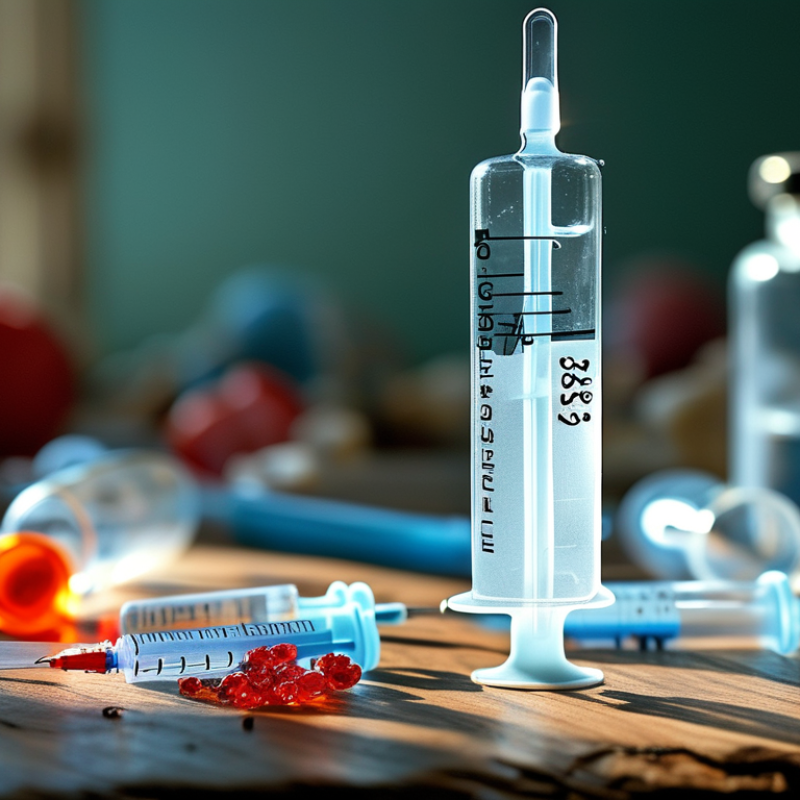
Top 10 Risks of Unsafe Syringe Use You Should Know
Unsafe syringe use poses significant health risks. Many individuals might not realize how dangerous this practice can be. For instance, sharing needles increases the risk of bloodborne infections like HIV and hepatitis. These infections can have serious, life-altering consequences.
Another critical risk includes needle-stick injuries. Such incidents can occur when syringes are improperly disposed of. Health professionals and bystanders may face exposure to potentially infectious substances. This can lead to anxiety and additional medical costs for treatment or prevention.
Furthermore, relying on unsafe syringes can worsen overall healthcare outcomes. Hospitals encounter higher rates of complications when patients are treated for infections stemming from unsafe practices. This not only affects the individual's health but also strains healthcare resources. Addressing these issues requires increased awareness and education about safe syringe use.
Understanding the Prevalence of Unsafe Syringe Practices Globally
Unsafe syringe practices are a significant global health issue. Millions of people are at risk of infection due to unclean needles or improper use. This problem is particularly severe in low-income and middle-income countries. Many areas lack access to proper medical facilities, leading to unsafe syringe reuse. The result can be devastating, including outbreaks of diseases like HIV and hepatitis.
Education is crucial in combating this issue. Many individuals are unaware of the dangers posed by unsafe syringe practices. Health care workers must receive training on safe injection techniques. Public awareness campaigns can also encourage communities to advocate for safe syringe disposal methods. However, the challenge remains that many health settings operate under inadequate regulations. This neglect allows harmful practices to persist, affecting vulnerable populations.
Despite improvements in some regions, many still face outbreaks tied to unsafe syringe use. Issues persist with public health education and the availability of clean syringes. Addressing these gaps could save countless lives. The commitment from governments and organizations is essential to foster a safer environment for health care. It is a continuous journey that needs collective action to create a safer future.
Health Risks Associated with Needle Sharing and Bloodborne Infections
Unsafe syringe use poses significant health risks. Sharing needles is a primary route for bloodborne infections. Conditions such as HIV, hepatitis B, and hepatitis C can spread easily through contaminated syringes. A single shared syringe can harbor enough virus to infect multiple individuals. This risk extends beyond the individual, impacting communities.
Bloodborne infections can lead to serious health complications. Chronic illnesses can develop, affecting a person's quality of life. The stigma surrounding needle sharing often leads to silence, making these issues harder to address. Many users may not realize the consequences until it's too late. A awareness is crucial; education can foster better practices.
Preventing needle sharing is essential. Safe syringe programs can reduce the risk of infection. However, access to these resources varies, leaving some individuals vulnerable. Encouraging open conversations about risks can help break down barriers. Everyone deserves to know the implications of their actions.
Impact of Unsafe Syringe Use on Public Health and Healthcare Costs
Unsafe syringe use poses significant threats to public health and healthcare costs. Contaminated needles can transmit diseases like HIV and hepatitis. These conditions create long-term healthcare burdens. Hospitals face increased costs due to treating these preventable diseases. Additionally, communities bear the impact of lost productivity and higher insurance premiums.
Tips: Always use a new syringe for each injection. This simple action can prevent infections. Proper disposal of syringes in designated containers is essential. Community awareness campaigns can further reduce risks.
Inadequate training for medical professionals can exacerbate problems. Some may not know how to dispose of syringes correctly. Public health initiatives must focus on educating both healthcare workers and the general public. This approach creates a safer environment for everyone. Trust in healthcare systems relies on proper syringe use.
Legal and Ethical Implications of Unsafe Syringe Practices in Healthcare
Unsafe syringe practices can lead to severe legal and ethical consequences in healthcare. Healthcare providers must maintain high standards to protect patients and themselves. Failing to follow guidelines can result in malpractice lawsuits and loss of professional licenses. These implications highlight the importance of proper training and adherence to safety protocols.
Healthcare workers should ensure that they receive adequate training on safe syringe practices. Regular workshops can help maintain up-to-date knowledge. It’s crucial to understand the legal responsibilities associated with syringe use. Violations can lead to criminal charges in some cases.
Tips for safe practices include always using a new, sterile syringe for each patient. Dispose of used syringes properly to prevent needlestick injuries. Regularly review protocols with your team to reinforce best practices. Reflect on any past incidents and learn from them. This transparency can foster a culture of safety in the workplace.
Top 10 Risks of Unsafe Syringe Use
This bar chart illustrates the top risks associated with unsafe syringe practices in healthcare. Each of these risks has significant legal and ethical implications, impacting both patient safety and healthcare outcomes.
Strategies for Mitigating Risks Related to Unsafe Syringe Usage
Unsafe syringe use can lead to severe health risks. To mitigate these dangers, education is crucial. Ensuring that users understand the proper handling and disposal of syringes can significantly reduce risks. Training programs should emphasize the importance of using sterile syringes. These sessions can foster a culture of safety.
Access to safe disposal options is another vital strategy. Communities must provide resources like needle exchange programs and disposal kiosks. Such initiatives can help decrease contamination and share knowledge. Additionally, providing easily accessible information on local health services can guide users to safer practices.
It is vital to recognize the gaps in current practices. Many individuals may not have access to proper education or resources. This highlights the need for community outreach. Engaging local health workers can bridge these gaps and improve safety. Recognizing the lack of guidance empowers communities to seek solutions actively.
FAQS
: Unsafe syringe practices can lead to severe infections such as HIV and hepatitis.
Many low-income regions lack proper medical facilities and access to clean syringes.
Education raises awareness about the dangers and encourages safe practices among users and health workers.
Health care workers need training on safe injection techniques and proper syringe disposal methods.
Needle exchange programs and disposal kiosks can provide safe disposal options in communities.
Public awareness can motivate communities to demand safer practices and advocate for better regulations.
Many individuals may lack access to education and resources on safe syringe use and disposal.
Engaging local health workers and creating outreach programs can bridge gaps in education and resources.
Governments need to commit to improving health regulations and providing clean syringes for safer healthcare.
Continuous commitment is required to address unsafe practices and ensure community health and safety.
Conclusion
Unsafe syringe use poses significant health risks that are crucial to understand. What risks come from unsafe syringe use include the transmission of bloodborne infections such as HIV, Hepatitis B, and Hepatitis C, primarily through needle sharing. This practice contributes to a larger public health issue, burdening healthcare systems with increased costs related to treating infections and managing outbreaks. Additionally, the ethical and legal implications of unsafe syringe practices raise concerns about accountability within the healthcare sector.
To combat these risks, it's essential to promote safer injection practices, including proper syringe disposal and the use of sterile equipment. Education and awareness campaigns can significantly reduce the prevalence of unsafe syringe use globally, improving overall public health outcomes and reducing healthcare expenditures associated with preventable diseases. Implementing these strategies is vital to protecting both individuals and communities from the dangers of unsafe syringe practices.

 JZCare Syringe