What Is the Future of Disposable Injection Devices?

Time:2026-09-13 Author:Aria
0%

What is the future of disposable injection devices? The answer is taking shape in clinics, pharmacies, and patients’ homes. Modern devices must deliver medicines accurately while remaining simple, safe, and comfortable. A patient should open the package, understand the instructions, and inject with minimal hesitation. That sounds obvious. It is not always achieved.

Dr. Andreas Schneider, an injectable-device development specialist, observes, “A successful injection device must fit the patient’s routine, not force the patient to fit the device.” This principle explains the industry’s direction. Developers are combining hidden needles, ergonomic grips, automatic safety locks, and clearer dose indicators. Some systems will also connect with mobile applications, recording dose timing and supporting adherence. Yet connectivity alone will not solve every problem. An older patient may struggle with pairing instructions. A caregiver may need access without exposing private health information. These practical details deserve equal attention.

Sustainability is another pressure point. Disposable devices can reduce cleaning requirements and cross-contamination risks, but they also create plastic and electronic waste. Future designs may use fewer materials, recyclable components, or lower-impact packaging. Progress will be uneven. Cost, manufacturing capacity, and regional healthcare needs will influence adoption.

The strongest devices will balance engineering ambition with human behavior. They will be reliable under stress, clear under poor lighting, and forgiving of small mistakes. That standard is demanding. It should be. The future of disposable injection devices will depend not only on smarter technology, but also on evidence, usability testing, responsible design, and trust.
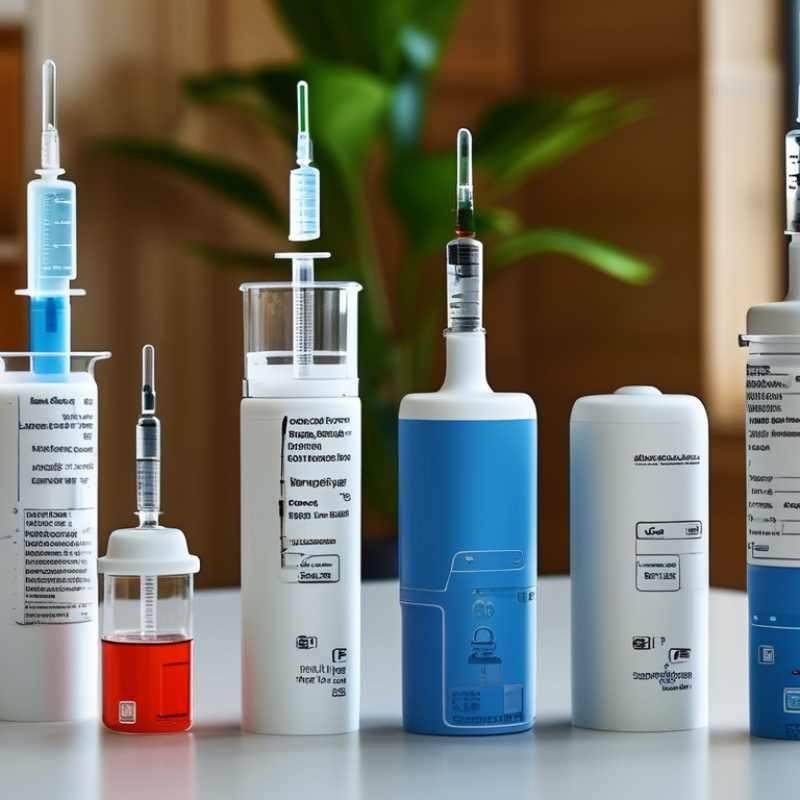
What Is the Future of Disposable Injection Devices?

Definition and Scope of Disposable Injection Devices

Disposable injection devices are medical tools designed for one patient and one injection session. They deliver medication through a needle or similar pathway. Common forms include prefilled syringes, disposable autoinjectors, pen injectors, and safety-engineered syringes.

The scope extends beyond the needle itself. It includes the barrel, plunger, dose chamber, needle shield, activation mechanism, and protective packaging. Some devices arrive filled with medicine, while others require medication loading before use. Their settings may include hospitals, vaccination rooms, pharmacies, and homes. Each setting creates different demands for grip, dose visibility, storage, and disposal.

Safety remains central. A single-use design can reduce cross-patient contamination when handled correctly. It does not remove every risk. Incorrect activation, damaged packaging, or poor sharps disposal can still cause harm. The definition is not always clean, either. Some systems contain reusable outer parts but disposable medication units. Their classification may depend on local regulation and product design.

From a practical perspective, users need clear labels and simple feedback. A visible dose window can prevent uncertainty. An audible click may confirm activation, but not every user hears it well. Future devices will likely become more connected and adaptable. However, extra sensors can increase cost, electronic waste, and training needs. Better does not always mean simpler. Careful evaluation should consider the complete use journey, from storage to final disposal.

Current Technologies and Key Applications

Disposable injection devices are becoming more precise, portable, and easier to use. Current designs include prefilled syringes, safety needles, spring-powered autoinjectors, and wearable injectors. Each technology addresses a different practical problem. A prefilled syringe reduces preparation steps and dosing errors. An autoinjector can support patients with limited hand strength. Safety shields help reduce accidental needle injuries after use.

Material engineering is also changing device performance. Lightweight polymers can lower shipping weight and simplify manufacturing. Internal springs must deliver consistent force across temperature changes. Some wearable systems use sensors to monitor dose delivery, injection time, or device status. Connectivity may support treatment records in home care. Still, more electronics can create extra failure points. I would not treat connectivity as automatic progress.

Key applications include chronic therapies, vaccination programs, emergency medicines, and hospital-administered biologics. Home-based treatment places greater emphasis on clear instructions, audible clicks, visible indicators, and simple disposal. In clinical settings, staff need fast preparation and reliable sharps containment. Human-factors testing should observe real users, not only trained professionals. Small details matter, such as a slippery cap or a confusing activation button. No device is perfect. Future development should balance convenience, sterility, dose accuracy, waste reduction, and affordability. Recyclable materials may help, but safe disposal remains the immediate priority.

Safety, Sustainability, and Regulatory Challenges

Disposable injection devices are becoming essential to modern care, but safety remains uneven. The World Health Organization estimates that around 16 billion injections occur globally each year. A single failed safety feature can expose patients, clinicians, and waste workers to injury. Needle shields, automatic lockouts, and clear dose windows reduce handling risks. However, these features can increase material use and complicate disposal.

Waste is the harder challenge. WHO reports that 15% of healthcare waste is hazardous, including sharps and contaminated materials. WHO and UNICEF’s 2023 JMP report estimates that 3.85 billion people lacked basic healthcare waste services in 2022. In such settings, a sealed device may still enter open dumping. This is not only a design problem. It is an infrastructure problem. Smaller packaging, mono-material components, and puncture-resistant collection systems can help, but recycling remains difficult after clinical contact.

Regulation adds another layer. Safety, sterility, biocompatibility, usability, and environmental claims may require separate evidence. Requirements also differ across markets under frameworks such as the EU Medical Device Regulation and United States device controls. ISO 23908 offers guidance for sharps injury protection, yet compliance does not guarantee safe real-world behavior. Human-factors testing should include rushed injections, poor lighting, and disposal containers near capacity. Manufacturers often test ideal conditions. That is a weakness worth admitting. Post-market surveillance should track needlestick incidents, device failures, and waste outcomes, not only sales or complaint counts.

What Is the Future of Disposable Injection Devices? — Safety, Sustainability, and Regulatory Challenges
Dimension Current Evidence and Data Future Development Direction Safety, Sustainability, and Regulatory Implications
Global Injection Demand The World Health Organization has reported that approximately 16 billion injections are administered worldwide each year. Demand is expected to remain high because of vaccination, chronic-disease treatment, biologic medicines, and home-based care. High-volume use increases the importance of validated sterilization, traceability, safe disposal, and consistent quality-control systems.
Prevention of Reuse Reuse of a disposable syringe or needle can transmit blood-borne pathogens, including hepatitis B, hepatitis C, and HIV. Auto-disable, reuse-prevention, and irreversible-locking mechanisms are likely to become more common in high-risk and mass-immunization settings. Devices must demonstrate reliable prevention of reuse without creating additional risks such as leakage, breakage, or incorrect activation.
Needlestick Injury Reduction Safety-engineered injection devices can reduce occupational exposure when their protective features are activated correctly and supported by training. Future designs will emphasize passive shielding, one-handed activation, clear visual confirmation, and ergonomic use with gloves. In the United States, occupational-safety rules require employers to consider engineering controls and safer medical devices as part of exposure prevention programs.
Sharps Disposal Used needles and syringes should be discarded immediately into puncture-resistant, leak-resistant sharps containers located close to the point of use. Integrated needle-capture features, smaller-volume containers, and collection systems designed for home care may reduce handling steps. Disposal systems must meet applicable requirements for puncture resistance, leakage control, labeling, transport, and treatment of infectious healthcare waste.
Material Use Disposable injection devices commonly combine polymers, elastomers, metals, adhesives, labels, and packaging, which makes separation difficult. Design-for-recycling, reduced material complexity, lighter packaging, and material disclosures are likely to become more important. Material changes must preserve sterility, chemical compatibility, dimensional accuracy, dose delivery, and mechanical strength throughout the labeled shelf life.
Recycling Feasibility Used injection devices may be contaminated with biological material and sharps, so they cannot normally enter ordinary municipal recycling streams without controlled segregation and treatment. Specialized decontamination, automated sorting, and closed-loop recovery systems may expand where sufficient collection volume and infrastructure exist. Recycling cannot compromise infection control. Waste classification, transport, treatment, and worker protection remain mandatory even when materials are recovered.
Carbon and Resource Footprint Environmental impact is influenced by raw-material production, manufacturing energy, sterilization, packaging, transport, use, and end-of-life treatment. Life-cycle assessment will increasingly guide decisions about lightweighting, low-carbon energy, optimized packaging, and appropriate reuse or recycling pathways. Environmental improvements must be supported by transparent life-cycle evidence rather than unsupported claims about biodegradability or sustainability.
Sterilization and Shelf Life Disposable injection devices must maintain sterility and functional performance until the stated expiry date when stored under labeled conditions. Manufacturers are likely to optimize sterilization processes, packaging barriers, and shelf-life testing while reducing energy and material consumption. Sterilization validation, packaging integrity, transport simulation, biocompatibility, and stability testing are essential parts of regulatory submissions.
Connected and Smart Features Digital dose records, tamper indicators, electronic reminders, and connected monitoring can support adherence and traceability, but they add components and data-management requirements. Adoption will likely focus on targeted applications where improved adherence, authentication, or post-market monitoring justifies additional complexity. Connected functions may introduce cybersecurity, privacy, software validation, electromagnetic compatibility, and data-governance obligations.
Home and Self-Administration Growth in chronic-disease treatment and decentralized care is increasing the use of injection devices outside hospitals and clinics. Future products will prioritize intuitive instructions, dose confirmation, accessibility, portability, and safe disposal for non-professional users. Human-factors engineering and usability studies are necessary to demonstrate that intended users can operate the device safely and consistently.
Regulatory Convergence Requirements differ across jurisdictions, although many regulators assess similar fundamentals: safety, performance, sterility, biocompatibility, usability, and post-market surveillance. Harmonized technical documentation, internationally recognized standards, and clearer rules for combination products may shorten development timelines. The European Union Medical Device Regulation, United States medical-device requirements, and national rules in other markets can impose different classification, evidence, and reporting obligations.
Post-Market Surveillance Device failures may involve leakage, inaccurate dosing, needle detachment, shielding failure, packaging damage, or incorrect use. Digital complaint systems, structured real-world data, trend analysis, and faster corrective-action processes will become more important. Manufacturers and healthcare systems must monitor incidents, report qualifying events, investigate root causes, and implement corrective or preventive actions where required.
Overall Outlook The sector faces a trade-off between single-use infection-control advantages and the environmental burden of high-volume disposable products. The strongest future solutions are likely to combine injury prevention, reliable dose delivery, lower material intensity, validated recovery pathways, and user-centered design. Sustainability will not replace core safety requirements; future approval decisions are likely to demand evidence that environmental improvements do not reduce clinical performance or infection control.
Reference basis: Publicly available guidance and standards from the World Health Organization, occupational-safety authorities, medical-device regulators, and international standardization bodies. Regulatory requirements vary by jurisdiction and device classification.

Emerging Innovations Shaping the Future

Disposable injection devices are entering a quieter but important transformation. Emerging innovations focus on safer handling, simpler use, and less environmental burden.

Engineers are combining compact sensors with disposable housings. These sensors can confirm dose delivery, needle position, or device activation. A small indicator may change color after successful use. This simple detail can reduce uncertainty for patients and caregivers. However, connected features can create privacy concerns and increase manufacturing complexity. More data does not always mean better care.

Microneedle patches are another promising direction. They may deliver medicine through tiny projections, reducing discomfort and needle anxiety. Some prototypes use biodegradable materials or fewer components. These designs could simplify disposal, but real-world performance remains uneven. A patch must stay attached during movement, heat, and perspiration. Small failures matter.

Human factors research is shaping handles, caps, and safety locks. In clinical engineering practice, a device should work with gloves, limited vision, and stressed hands. Usability studies can reveal problems that laboratory testing misses. Clear feedback is essential. So is reliable performance across different users and conditions.

Regulatory evaluation, quality controls, and post-market monitoring will remain central. A clever mechanism is not enough. It must deliver consistent doses and protect users from accidental needle exposure. Some concepts still look better in prototypes than in clinics. That gap deserves honest attention. Future progress will depend on practical validation, responsible materials, and designs that people can use correctly every time.

What Is the Future of Disposable Injection Devices?

Global diabetes projections indicate a growing need for safe, convenient, and scalable injection solutions.

The number of adults living with diabetes is projected to increase from approximately 537 million in 2021 to 643 million by 2030 and 783 million by 2045. This expanding need for injectable therapies is likely to accelerate innovation in disposable devices, including prefilled formats, connected features, simpler user interfaces, safer needle systems, and lower-material designs. Data source: International Diabetes Federation, Diabetes Atlas, 10th edition.

Market Trends and Adoption Prospects

Disposable injection devices are moving from niche convenience tools to mainstream healthcare products. One sealed unit can reduce preparation time and cross-contamination risks. Hospitals increasingly consider ready-to-use formats for vaccination, emergency care, and chronic therapies. Aging populations and home-based treatment are strengthening this demand. Procurement teams now assess more than purchase price. They examine waste volume, training needs, storage stability, and disposal capacity. Field experience suggests adoption improves when nurses can use a device correctly after brief instruction. That detail matters.

Market growth will remain uneven across regions. Urban hospitals may adopt quickly, while smaller clinics face higher unit costs and limited waste services. Regulatory clearance, clinical evidence, and quality controls remain essential for trust. Buyers increasingly request data on injection accuracy, failure rates, packaging integrity, and usability. Sustainability is becoming a purchasing factor, but it is not a simple advantage. Single-use devices can reduce cleaning demands while increasing plastic and sharps waste. Manufacturers will need measurable material-reduction and disposal strategies. Healthcare providers may also require clearer environmental reporting. Progress will be gradual. Cost pressure could still slow adoption where reusable systems perform reliably.

FAQS

What are disposable injection devices?

They are medical tools designed for one patient and one injection session. They may include a needle, barrel, plunger, dose chamber, shield, and packaging. The device is not only the needle.

Which types of disposable injection devices are commonly used?

Common types include prefilled syringes, disposable autoinjectors, pen injectors, and safety-engineered syringes. Some arrive filled with medication. Others require loading before use.

Where are these devices used?

They are used in hospitals, vaccination rooms, pharmacies, and homes. Home treatment requires clear instructions and simple disposal. Clinical staff need fast preparation.

How can disposable devices improve injection safety?

Single-use designs can reduce cross-patient contamination when handled correctly. Safety shields and automatic lockouts can lower accidental needle injuries. A visible dose window also reduces uncertainty.

What design features help people use these devices correctly?

Clear labels, comfortable grips, visible indicators, and simple activation controls are important. An audible click may confirm delivery. Not everyone hears clicks well.

What risks remain after using a disposable injection device?

Damaged packaging, incorrect activation, and poor sharps disposal can still cause harm. A nearly full disposal container creates extra risk. Single-use does not mean risk-free.

Are connected or electronic devices always better?

Not necessarily. Sensors may track dose delivery, timing, or device status. However, electronics can increase cost, training needs, waste, and failure points. More technology is not automatically progress.

What environmental problems do these devices create?

Needles and contaminated parts require careful containment after use. Recycling becomes difficult after clinical contact. Smaller packaging and mono-material parts may reduce waste, but safe disposal matters more immediately.

What should safety evaluation include?

Evaluation should cover sterility, dose accuracy, usability, biocompatibility, disposal, and environmental claims. Testing should include poor lighting, rushed injections, and nearly full containers. Ideal conditions are not enough.

Conclusion

Disposable injection devices are single-use tools designed to deliver medicines safely and conveniently while reducing the risk of cross-contamination. They include prefilled systems, auto-injectors, safety syringes, and other patient-focused solutions used in hospitals, clinics, and home care. Current technologies increasingly emphasize ease of use, dose accuracy, needle protection, and support for self-administration, making them valuable for chronic disease management, emergency treatment, and routine therapies.

When considering what is the future of disposable injection devices, the industry is likely to focus on smarter designs, connected monitoring, improved usability, and lower environmental impact. Key challenges include managing medical waste, maintaining reliable performance, meeting strict regulatory requirements, and balancing sustainability with sterility and affordability. Emerging innovations may involve recyclable materials, reduced-material construction, ergonomic mechanisms, and digital features that help track use and improve adherence. As healthcare becomes more decentralized and patient-centered, market adoption is expected to grow, especially where convenience, safety, and dependable medication delivery are priorities.

Aria

Aria

Aria is a dedicated marketing professional with a deep passion for innovative strategies and a keen understanding of our company's product offerings. With a wealth of experience in the industry, Aria excels at crafting engaging content that highlights the unique features and benefits of our......