How are Syringes Sterilized Before Packaging for Safe Use?

Time:2026-07-30 Author:Mason
0%

In the pharmaceutical industry, ensuring the safety of medical devices is critical. One key aspect is understanding how are syringes sterilized before packaging. According to the World Health Organization, improper sterilization can lead to serious health risks, affecting millions globally. This emphasizes the need for rigorous sterilization processes.

Dr. Emily Carter, a leading expert in medical device safety, emphasizes, “Sterilization is not just a procedure; it's a pivotal part of patient safety.” Manufacturers typically utilize methods such as ethylene oxide gas, steam sterilization, or radiation. Each technique has unique advantages and drawbacks. For example, while ethylene oxide is effective, it requires careful handling to avoid toxic residues.

Despite technological advances, challenges remain. Companies must continuously assess their sterilization processes. Issues like equipment failure or inadequate validation can compromise safety. It is essential for the industry to prioritize these processes to prevent potential harm. Understanding how are syringes sterilized before packaging can help in making informed choices and enhancing patient safety.
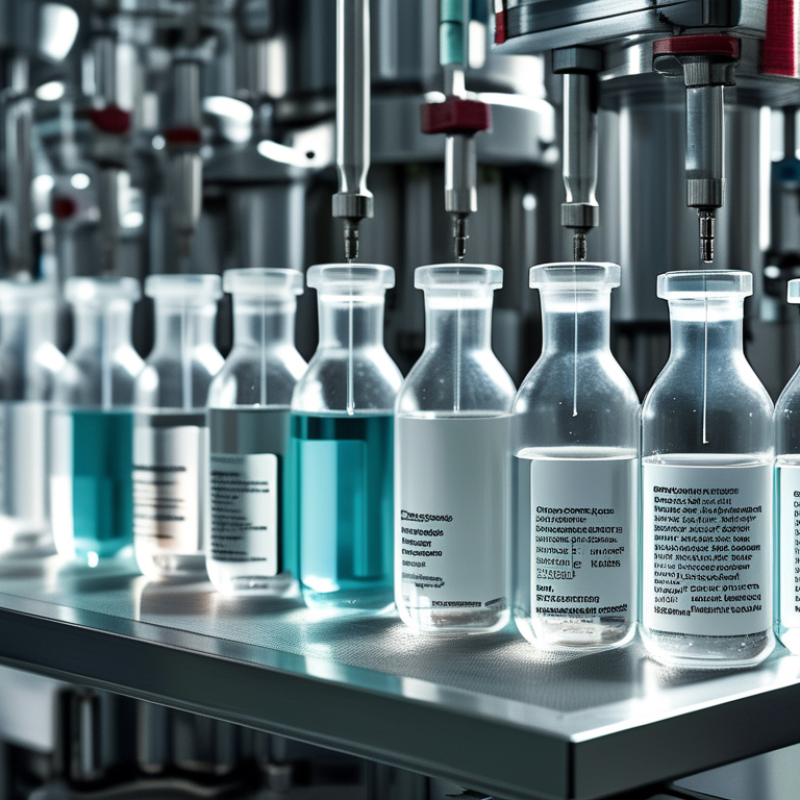
How are Syringes Sterilized Before Packaging for Safe Use?

Overview of Syringe Sterilization Techniques

Syringe sterilization is a critical process. It ensures that syringes are safe for medical use. Various techniques are employed to achieve this goal. The most common methods include steam sterilization, ethylene oxide (ETO) sterilization, and radiation.

Steam sterilization, or autoclaving, uses high-pressure steam to eliminate contaminants. This method is effective, with studies indicating a success rate of over 99.9% in microbial eradication. However, it can be unsuitable for heat-sensitive materials. Ethylene oxide sterilization is another method that uses gas to kill bacteria. It penetrates packaging materials effectively, but it requires longer processing times and thorough aeration afterward to remove residual gas.

Radiation sterilization, particularly gamma radiation, is efficient and quick. Research suggests that up to 90% of single-use syringes in healthcare facilities are processed this way. Despite its effectiveness, concerns about appropriate radiation doses and chemical residues persist. Finding the right balance between efficacy and safety remains a challenge for manufacturers. The continuous evolution of sterilization techniques is crucial for improving syringe safety and effectiveness.

Importance of Sterilization for Medical Devices

Sterilization of medical devices is crucial for patient safety. For syringes, any contamination can lead to infections. Sterilization kills harmful microorganisms that remain on surfaces. Without effective sterilization, the risk of spreading disease increases drastically. Healthcare facilities rely on this process to ensure quality care.

Several methods are used for sterilizing syringes. Steam sterilization is one of the most common methods. It uses high-pressure steam to eliminate bacteria and viruses. Chemical sterilants can also be used, though they may leave residues. Each method has its advantages and drawbacks, making careful selection essential.

Despite advancements, challenges persist in sterilization practices. Inconsistent methods and equipment failures can lead to unsafe products. Some syringes might not be fully sterilized due to poor handling. Continuous monitoring and strict protocols are necessary to maintain standards. Reflection on these issues is vital for improving healthcare quality.

Common Methods of Syringe Sterilization

Syringe sterilization is vital for ensuring safe medical practices. Common methods used in this process include steam sterilization, ethylene oxide (EO) sterilization, and radiation. Each method has unique advantages and limitations. For instance, steam sterilization is effective and widely employed, achieving sterilization at 121°C for at least 15 minutes. It is a cost-effective technique with 99.9999% sterilization assurance, according to a study published in the Journal of Hospital Infection.

Ethylene oxide sterilization is another prevalent method. This gas sterilization process is effective at lower temperatures and is suitable for heat-sensitive materials. However, it requires lengthy aeration stages to remove toxic residues. A report from the Centers for Disease Control and Prevention (CDC) indicates that EO sterilization can reduce microbial counts to undetectable levels. This method raises concerns over environmental impact and worker safety due to its toxicity.

Radiation sterilization, including gamma and electron beam methods, has gained traction in the industry. These techniques penetrate packaging and can sterilize large quantities in a short time. However, regulatory hurdles and high costs may limit their widespread adoption. Balancing efficacy, safety, and environmental considerations remains a challenge in the field of syringe sterilization practices. Continuous improvements and innovations are needed to enhance these processes effectively.

Quality Control Measures in Syringe Sterilization

Sterilizing syringes is a crucial step in ensuring safety. The process typically involves several quality control measures. Manufacturers must adhere to strict guidelines to maintain the highest standards. Each sterilization batch requires rigorous testing to verify effectiveness.

One common technique is terminal sterilization. This method uses steam, ethylene oxide, or radiation. Validation studies are essential. They confirm that all contaminants are eliminated. However, there can be variability in results. Not all processes guarantee complete sterility; failures can occur. Continuous monitoring can help reduce such risks.

Quality control also includes visual inspection. Technicians check for any visible defects or foreign particles. This step is vital to ensure that only safe syringes proceed to packaging. Documenting every stage of the process helps trace any anomalies. Feedback loops enable manufacturers to improve. Addressing imperfections is necessary for maintaining safety standards.

Packaging and Storage of Sterilized Syringes

The packaging and storage of sterilized syringes is crucial for ensuring their safety and effectiveness. After the sterilization process, syringes are packed in sealed, sterile containers. These containers often come with clear labeling that indicates sterilization status. Manufacturers often use materials that prevent contamination and maintain the sterility of syringes until they are ready for use.

Proper storage conditions play a significant role in maintaining the integrity of the syringes. They should be kept in a cool, dry place, away from direct sunlight. Exposure to moisture or extreme temperatures can compromise the packaging. Some facilities conduct regular checks to ensure compliance with storage guidelines. Yet, there have been instances where mishandled products reach the end user. These lapses highlight the need for improved practices in handling sterilized products.

Handling these syringes also requires trained personnel. Improper handling can lead to breakage or contamination which poses health risks. Staff must be aware of the importance of maintaining sterility during distribution. In some scenarios, the pressure to expedite the process can lead to oversight. Continuous training and adherence to strict protocols are essential to minimize these risks. This ongoing effort helps maintain the quality and safety of sterilized syringes for all users.

FAQS

: Why is sterilization important for medical devices?

: Sterilization is crucial as it ensures patient safety by killing harmful microorganisms. Without it, infection risks increase significantly.

What are common methods for sterilizing syringes?

Common methods include steam sterilization, which uses high-pressure steam, and chemical sterilants. Each method has pros and cons.

How do packaging and storage affect sterilized syringes?

Proper packaging in sealed containers preserves sterility. Storage conditions must be cool and dry to maintain integrity.

What can compromise the sterility of syringes?

Exposure to moisture or extreme temperatures can damage the packaging, leading to potential contamination issues.

Who is responsible for handling sterilized syringes?

Trained personnel must handle syringes to prevent breakage or contamination. Their training is critical for maintaining sterility.

Are there any challenges in sterilization practices?

Yes, inconsistent methods or equipment failures may result in unsafe products. Ongoing monitoring is essential to address these issues.

What role do regular checks play in syringe storage?

Regular checks ensure compliance with storage guidelines. Mishandling can still occur despite these practices, highlighting areas for improvement.

How can mishandling affect medical devices?

Improper handling can lead to contamination and health risks. Pressure to expedite can cause oversights in crucial processes.

What steps can improve sterilization practices?

Continuous training and adherence to strict protocols are essential for minimizing risks and maintaining quality.

What should be done if syringes seem compromised?

Any compromised syringes should not be used and must be reported for further investigation or proper disposal.

Conclusion

The article "How are Syringes Sterilized Before Packaging for Safe Use?" delves into the essential process of sterilizing syringes to ensure their safety for medical applications. It provides an overview of the various techniques employed in syringe sterilization, emphasizing the importance of these measures in maintaining the integrity of medical devices. Common methods discussed include autoclaving, ethylene oxide gas, and gamma irradiation, each of which plays a crucial role in eliminating potential pathogens.

Additionally, the article highlights quality control measures that ensure the effectiveness of the sterilization processes. Once sterilized, the syringes are carefully packaged and stored to maintain sterility until they are ready for use. This comprehensive understanding of how syringes are sterilized before packaging is vital for healthcare providers and manufacturers alike, as it underscores the imperative of patient safety in medical procedures.

Mason

Mason

Mason is a seasoned marketing professional with a deep expertise in the company's offerings and a passion for driving brand awareness. With a strong background in digital marketing strategies, he has an innate ability to connect with diverse audiences and effectively communicate product benefits.......