In today’s medical landscape, the question of how sterile are disposable medical syringes is paramount. These tools are often seen as safe and reliable for administering medications. However, their sterility can vary significantly based on several factors.
Understanding the production process of disposable syringes is essential. Manufacturers often implement strict sterilization procedures. Yet, human error and shipping conditions can compromise sterility. Knowing how to assess the integrity of these syringes is crucial for both healthcare providers and patients alike.
A deep dive into their sterility reveals a less-than-perfect picture. Some syringes may be exposed to contaminants even before usage. A lack of standardization in manufacturing practices can lead to discrepancies in quality. Thus, questioning how sterile are disposable medical syringes invites reflection on the importance of vigilance and informed choices in medical care.
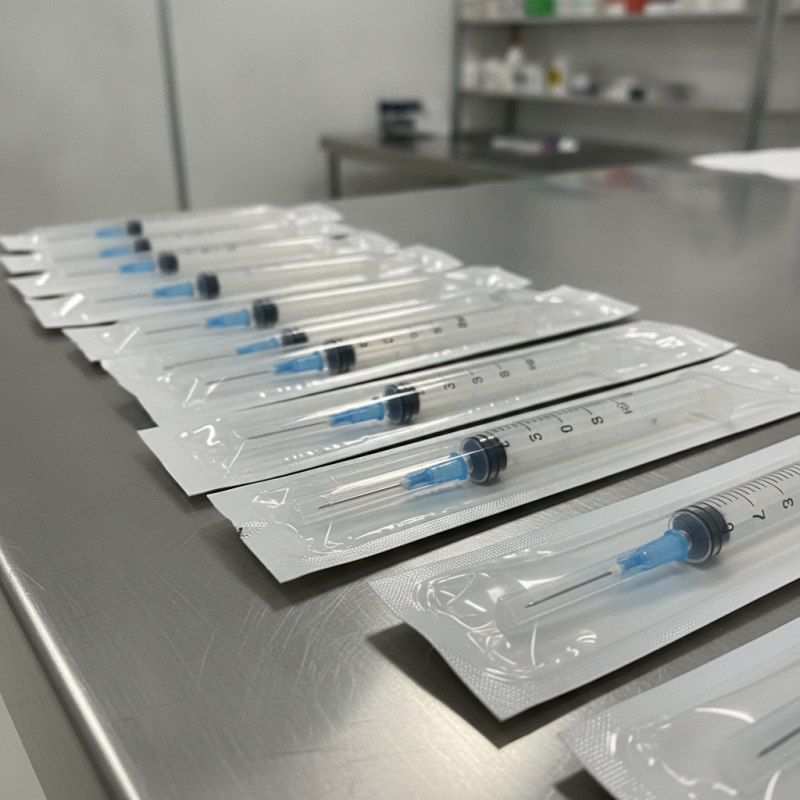
Understanding the importance of sterility in medical syringes cannot be overstated. A sterile syringe plays a crucial role in preventing infections during medical procedures. When a syringe is not sterile, it can introduce harmful bacteria into the body. This can lead to severe complications and prolonged hospital stays.
Many assume that disposable syringes are automatically sterile. However, this is not always the case. Packaging integrity is vital. If the packaging is damaged, the sterility of the syringe may be compromised. Always inspect the packaging before use.
The environment where syringes are manufactured also affects their sterility. Strict regulations govern the production of medical supplies. Yet, occasional lapses may occur. It’s essential for healthcare professionals to stay informed about these risks. Education on proper handling and disposal practices is equally important. This ensures that syringes maintain their sterility until the moment they are used.
When discussing disposable medical syringes, many misconceptions arise about their sterility. One common belief is that packaging guarantees absolute cleanliness. However, even sealed syringes can be compromised if mishandled or stored improperly. Environmental factors can introduce contaminants. Thus, it’s essential to understand that while packaging reduces risk, it does not eliminate it.
Another myth is that all disposable syringes are the same regarding sterility. In reality, various manufacturing processes can affect their safety. Not all manufacturers adhere to the same quality control standards. Some might cut corners to save costs, leading to a higher risk of contamination. Users must verify the credibility of the manufacturers to ensure they are using reliable products.
Education and awareness are crucial for safety. Healthcare workers and patients alike should be cautious. Misunderstandings about sterilization can lead to severe consequences. Proper training and thorough knowledge are necessary for handling medical equipment, including syringes, safely. Recognizing these misconceptions can help individuals make better choices and stay informed.
| Tip | Description |
|---|---|
| Check the Packaging | Ensure the syringe packaging is sealed properly and shows no signs of damage. |
| Expiry Date | Always check the expiry date on the syringe to ensure it is still effective and sterile. |
| Sterile Technique | Follow sterile techniques during usage to maintain the syringe’s sterility. |
| Single Use Only | Disposable syringes are meant for single use; reuse can lead to contamination. |
| Storage Conditions | Store syringes in a cool, dry place to prevent compromising the sterile environment. |
When considering the sterility of disposable medical syringes, several key factors come into play. The manufacturing process is crucial. Syringes must be produced in clean environments. Contamination during production can compromise sterility. Storage conditions also matter greatly. Syringes should be kept in a sealed, cool, and dry place. Improper storage can lead to exposure to bacteria.
Here are some essential tips. Always check packaging for integrity before use. A damaged package can indicate potential contamination. Proper disposal after a single use is vital. This reduces the risk of cross-contamination. Healthcare professionals should be trained to handle syringes correctly. Knowledgeable staff can maintain higher sterility levels.
The expiry date is another important factor. Using syringes past their expiration can pose risks. Manufacturers specify these dates based on stability studies. Finally, pay attention to local storage guidelines for syringes. Following regulations can improve safety and sterility.
When using medical syringes, proper handling is crucial for safety. Ensure that your hands are clean before opening a syringe. Using gloves can add an extra layer of protection. Disposable syringes should always be taken from sealed packaging. Any signs of damage or tampering mean the syringe should be discarded.
Pay attention to the expiration date printed on the packaging. Expired syringes may not function correctly, increasing risks. Store syringes in a cool, dry place away from direct sunlight. This helps maintain their integrity. Always check the needle before use; inspect for any inconsistencies or damage.
It’s important to dispose of syringes safely. Use designated sharps containers to prevent needle-stick injuries. Avoid recapping needles, which can lead to accidents. If there is a concern about the syringe's sterility, don’t hesitate to seek a replacement. Your safety and health rely on these simple, yet vital practices.
Sterile disposable medical syringes play a crucial role in healthcare, ensuring patient safety. Regulatory standards emphasize the need for sterility to prevent infections. Organizations such as the U.S. FDA have strict guidelines. These guidelines require that syringes are manufactured in sterile environments. The industry reports show that any contamination can lead to serious health risks.
When choosing syringes, consider key factors. One essential tip is to always check the packaging for integrity. Damage or tampering can indicate potential contamination. Another point to keep in mind is the expiration date. Using syringes past their expiration can compromise sterility.
A study by the World Health Organization (WHO) highlights that improper storage can lead to contamination. Ensure syringes are stored in cool, dry places. Awareness of these standards is vital. Not all manufacturers adhere to the same level of quality. Therefore, scrutiny and cautious procurement are necessary. Regular audits can help maintain compliance and improve safety. Prioritize education on these standards in your practice.
: Key factors include the manufacturing process, storage conditions, and proper handling.
Store syringes in a sealed, cool, and dry place to prevent contamination.
Always inspect the packaging for integrity. Damaged packaging may indicate contamination.
Expired syringes can pose risks and may not function correctly.
Proper training and knowledge about handling syringes are crucial for maintaining sterility levels.
Dispose of them in designated sharps containers to avoid injuries and cross-contamination.
If there are concerns about sterility, it’s best to seek a replacement for safety.
It reduces the risk of cross-contamination and protects others from potential harm.
Discard any damaged syringes immediately to prevent health risks.
Regular audits help ensure that standards are met and safety is prioritized.
In the discussion of how sterile are disposable medical syringes, understanding the critical role of sterility is paramount for patient safety. Common misconceptions may lead individuals to underestimate the potential risks associated with the use of non-sterile syringes, emphasizing the need for continued education on this topic. Key factors that affect syringe sterility include the manufacturing process, packaging integrity, and proper handling procedures.
To ensure safe use of medical syringes, best practices should be followed, which include inspecting for damage before use and adhering to strict hygiene protocols. Additionally, regulatory standards play a vital role in maintaining the quality and sterility of disposable syringes, ensuring they meet health safety requirements. By being informed and vigilant, healthcare providers and patients alike can contribute to safer medical practices.

JZCare Syringe