A used syringe may look harmless once the medicine is gone, but its needle can still puncture skin and spread infection. Safe disposal protects family members, sanitation workers, pets, and anyone who handles household waste. It starts with one careful choice.
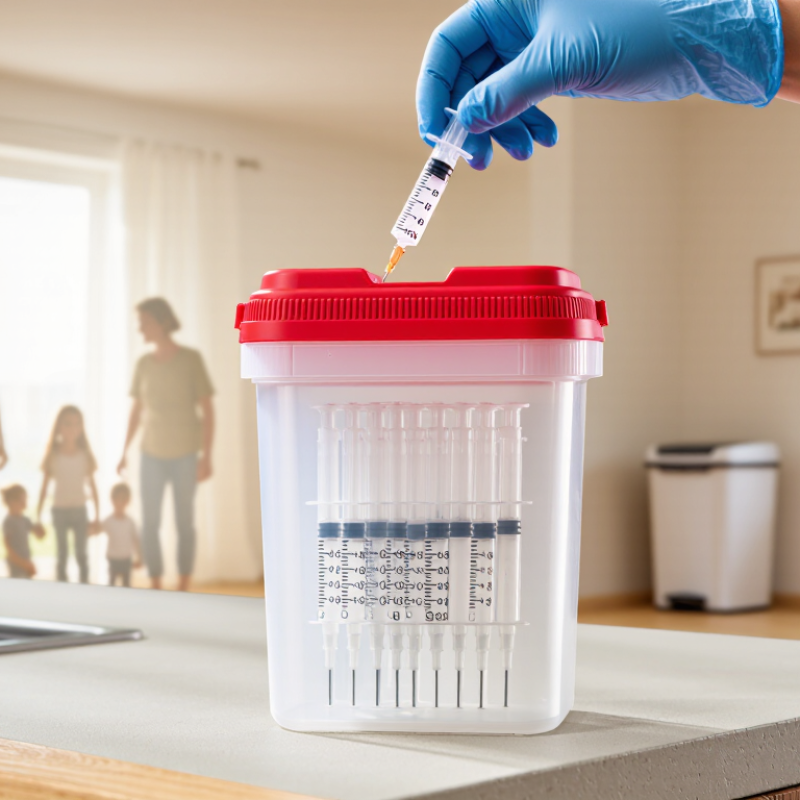
Learning how to properly dispose of used syringes means using a puncture-resistant sharps container and following the instructions provided by local health or waste services. A container made for sharps is the safest option. Keep it upright, close it securely, and place it where children and animals cannot reach it. Never put a loose needle in household trash or recycling. Do not recap, bend, or break the needle; these actions can increase the risk of an accidental injury. Small steps matter.
Disposal options can differ by location. A pharmacy, clinic, medical provider, or local waste agency may explain which drop-off sites or collection services are available. Check before taking a full container anywhere, because not every site accepts household sharps. If a purpose-made container is temporarily unavailable, seek guidance from a healthcare professional or local waste authority rather than improvising. That detail is easy to overlook. If someone is accidentally stuck, wash the area with soap and water and promptly contact a healthcare professional for advice. This guide covers practical precautions, storage, and ways to find appropriate disposal options. No method is perfect, and rules can change, so confirm current local guidance. It is worth checking twice.
A syringe should be treated as used if it has injected medication, drawn blood, or been used for any other procedure. A needle may still be contaminated even when it looks clean. Treat it as used. Look for a needle attached to a plastic barrel, a plunger, or a protective cap nearby. A bent, broken, or uncapped needle also needs careful handling. Never rely on appearance alone; tiny traces of blood or fluid may be hard to see.
Tips: Keep children and pets away. Do not test it. Avoid touching the needle, recapping it, bending it, or removing it from the barrel. If a syringe is loose on the ground, do not pick it up with bare hands. If you cannot tell whether it has been used, assume it has.
Place a used syringe directly into an approved sharps container, following its fill line and closure instructions. If one is not available, keep people away from the area and check local health or waste-service guidance for a suitable container and drop-off option. Do not put loose syringes in household recycling or leave them in an open trash bag. I once thought a cap made a syringe harmless; that was careless reasoning. A cap can be loose or missing, so the safest clue is the syringe itself and its possible use.
Choose an FDA-cleared sharps container, not an ordinary bin. It should be closable, leak-resistant, and puncture-resistant on every side, including the bottom. Check the label and fill line before use. A container that looks sturdy may still be unsuitable. That detail matters. The U.S. Food and Drug Administration recommends these features to reduce needle-stick injuries during handling and disposal. Select a size that fits your routine, then place it upright on a stable surface, away from children and pets. Keep it within easy reach where you use syringes.
Drop each used syringe directly into the opening, needle first, without forcing it down. Close the lid between uses if the design allows. Stop at the marked fill line; an overfilled container can expose sharp tips. CDC guidance advises replacing sharps containers when they are nearly full. The CDC has cited an estimate of about 385,000 needlestick and other sharps injuries each year among hospital-based healthcare workers. That estimate concerns healthcare settings, but it underlines why secure containment matters. It is tempting to keep using a container for convenience. I would reconsider that choice when the fill line is reached. Follow local instructions for disposal, since accepted drop-off options can vary.
Set the sharps container on a firm, level surface before handling a used syringe. Keep it close, so you do not need to carry the exposed needle across the room. Remove the container’s lid only if its instructions require it. No recapping. It may feel awkward at first, but putting the syringe away promptly helps prevent accidental pokes.
Hold the syringe by its barrel, with the needle pointed away from your body and other people. Lower it directly into the container opening without touching the needle. Let it drop in gently. Do not recap, bend, break, or detach the needle, and never push the syringe down with your fingers. If the opening is blocked, do not force it; follow the container instructions or ask a healthcare professional for guidance.
Keep the container upright and out of reach of children and pets. Check its fill line, and close or replace it when it reaches the marked limit. Do not overfill it, since needles can poke through crowded openings. Use a container designed for sharps, and follow local health department or healthcare-provider instructions for disposal. A loose cap may seem like a small problem, but it can expose someone to a needle later.
| Step | What to Do | Safe Practice | Why It Matters |
|---|---|---|---|
| 1 | Prepare a sharps container before handling the used syringe. | Use an FDA-cleared sharps disposal container when available. Keep it upright, stable, and within easy reach. | A suitable container is designed to resist punctures and reduce the chance of needlestick injuries. |
| 2 | Do not recap, bend, break, or remove the needle. | Handle the syringe carefully by its barrel and keep the needle pointed away from yourself and others. | Recapping and altering a used needle can increase the risk of an accidental puncture. |
| 3 | Place the entire syringe directly into the container. | Put it in needle-first, without forcing it through the opening. Keep your hands away from the opening and never reach inside. | Direct disposal limits handling of the exposed needle. |
| 4 | Close the container after use. | Follow the container’s instructions and keep the lid securely closed between uses. Do not overfill it; follow the fill line if present. | A closed, non-overfilled container helps prevent sharps from protruding or spilling out. |
| 5 | Dispose of the sealed container according to local requirements. | Use an authorized household hazardous-waste facility, medical-waste collection site, or other locally approved program. Check local rules before disposal. | Sharps disposal options vary by location; local health or waste authorities can provide the correct instructions. |
| 6 | If a sharps container is not immediately available, store the syringe safely until one can be obtained. | Keep it away from children and pets, and do not put loose syringes in household trash or recycling. Ask a pharmacist or local health department about approved options. | Loose sharps can injure sanitation workers, household members, and others. |
Place each used syringe directly into a puncture-resistant sharps container; do not leave it on a counter or carry it loose. Choose an FDA-cleared container when available, and keep it upright on a stable, dry surface. CDC estimates that about 385,000 needlestick and other sharps injuries occur annually among hospital-based healthcare personnel. That figure concerns healthcare settings, but it shows why secure containment matters. A closed lid alone is not enough.
Keep the container away from children and pets, ideally in a locked cupboard or another inaccessible spot. Close its lid between uses, and never push, shake, or force items inside. Follow the container’s fill line; replace it before it becomes overfull. FDA guidance recommends checking local disposal instructions, since accepted drop-off options vary. Small detail, big difference. It is easy to postpone replacing a nearly full container. That delay can create a risk someone may not notice.
Tips
Keep the container upright during storage and transport, and secure it so it cannot tip over in a bag or vehicle. Use a sealed, leak-resistant container for transport if local instructions require one. If no sharps container is available, FDA guidance describes using a heavy-duty household container with a tight-fitting, puncture-resistant, leak-resistant lid. Do not assume every plastic bottle is suitable. Follow local health department guidance for disposal.
Used syringes should go into a sharps container, not household recycling or loose trash. The U.S. Food and Drug Administration reports that more than 3 billion needles and syringes are used outside healthcare settings each year. That volume makes safe collection and disposal a practical community concern. Look for a local sharps program through your health department, hospital, pharmacy, or waste service. Call before visiting; drop-off sites may accept only approved containers or have limited hours.
Tips: Place each syringe directly into a puncture-resistant sharps container. Keep the container upright and away from children and pets. When it reaches its fill line, seal it as directed. Ask the program what containers it accepts and whether appointments are needed. Small steps matter.
A nearby drop-off box can make safe disposal easier, especially when it is part of a routine clinic visit. Some communities also offer household collection events or mail-back options. Availability varies, so confirm instructions with the local program rather than assuming every site follows the same rules. The FDA’s “Best Way to Get Rid of Used Needles and Other Sharps” provides further container and disposal guidance. It may take an extra phone call, but that’s better than guessing.
Treat it as used if it injected medication, drew blood, or was used for a procedure. Unsure? Assume it was used.
No. Tiny traces of blood or fluid may be invisible. Looks clean? Still risky.
Keep children and pets away. Do not touch it with bare hands, recap it, bend it, or remove its needle. Check local health or waste-service guidance.
Place each one directly into an approved sharps container. Keep it upright on a stable, dry surface, and follow its closure instructions.
Keep it closed, upright, and out of reach of children and pets. A locked cupboard can help. Do not push or shake items inside.
Replace it before contents reach the fill line. Waiting because it looks almost full can create a risk someone may miss.
Keep people away from the syringe and check local disposal guidance. A heavy-duty household container may be suitable, but not every plastic bottle is safe.
Keep it upright and secure so it cannot tip over. Use a sealed, leak-resistant outer container if local instructions require one. I once trusted a loose cap; that was careless.
Knowing how to properly dispose of used syringes helps reduce the risk of accidental needle injuries. Treat any syringe that has been used as a sharp, and place it promptly into an approved, puncture-resistant sharps container. Do not recap, bend, break, or remove the needle; handle the syringe carefully and keep your hands away from the sharp end.
Close the container securely when it reaches the fill line, or sooner if instructed on its label. Store it upright in a stable location, out of reach of children and pets. When the container is ready for disposal, use a local sharps collection program or designated drop-off site, and follow the site’s instructions. Never put loose syringes in household trash or recycling.

JZCare Syringe