How sterile are disposable medical syringes? The answer depends on controlled manufacturing, validated sterilization, and intact packaging—not on a clean-looking barrel. A sealed syringe should arrive sterile, but its sterility can be compromised by a torn wrapper, a wet package, or poor storage. Small details matter.
In CDC guidance, infection-prevention experts William A. Rutala and David J. Weber define sterilization this way: “Sterilization describes a process that destroys or eliminates all forms of microbial life and is carried out in health-care facilities by physical or chemical methods.” That definition helps clarify the standard. Manufacturers validate a sterilization process for the device and its packaging; users should check the package and follow its instructions. A clear seal is reassuring, not proof by itself.
This guide explains how to assess product documentation, packaging integrity, expiration dates, and signs of damage. It also covers why a syringe should not be used if its sterile barrier is compromised. Look closely. A pinhole can be easy to miss. Still, checking a wrapper cannot replace verified manufacturing controls or quality records. That distinction is easy to overlook. There is no simple visual test for sterility, and this guide cannot confirm a particular product or batch. The practical goal is careful selection and handling, with questions directed to the manufacturer or supplier when records or packaging raise concern.
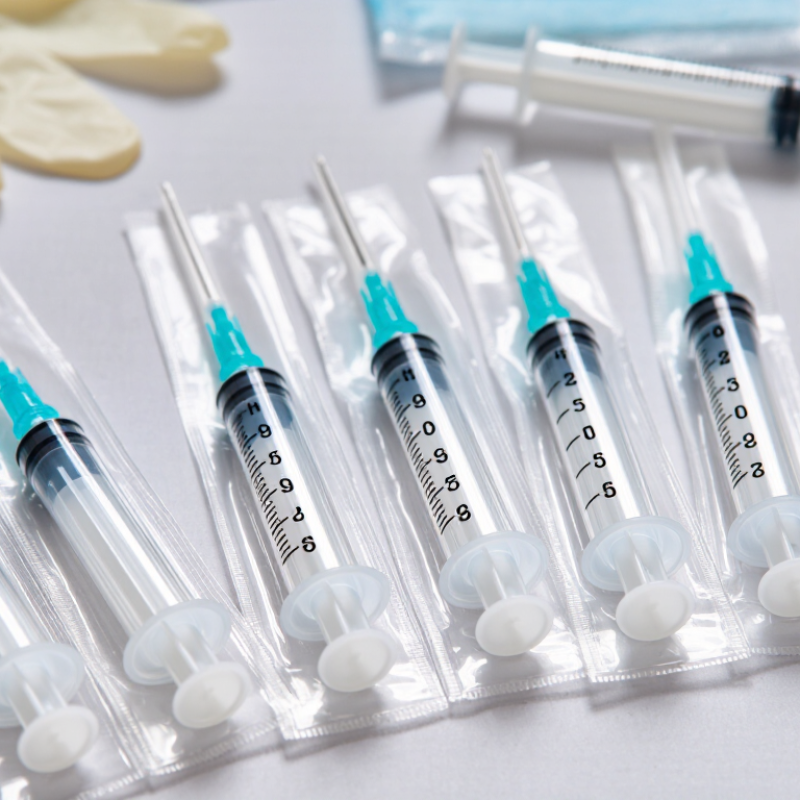
Sterility is not judged by appearance alone. A clear barrel and sealed cap cannot prove that a syringe was processed correctly. Manufacturers validate a sterilization method, such as ethylene oxide, radiation, or moist heat, for the specific device and its packaging. The relevant method standards include ISO 11135, ISO 11137, and ISO 17665. Each has different process controls.
A validated process is monitored and documented across production, rather than checked only on a few finished syringes. Sterility assurance level, often expressed as 10⁻⁶ for terminally sterilized medical devices, describes a calculated probability—not a promise that every item is individually tested. That distinction can be easy to miss. Packaging also matters: it must protect the sterile barrier during storage and transport, and remain intact until use.
At the point of care, inspect the package. Look for tears, punctures, moisture, or a broken seal. Check the expiry date and sterile labeling. Do not use a syringe if its packaging is damaged or its sterility is uncertain. Use it once, then discard it in an appropriate sharps container. A sterile syringe is not automatically the right syringe for every task; size, needle, and intended use still matter. Labels help, but careful handling matters too.
Before using a disposable syringe, inspect its sealed package under good light. Look for tears, punctures, damp spots, loose seams, or signs that the wrapper was opened. Even a tiny gap can compromise the sterile barrier. Check the printed expiry date and confirm the label identifies the syringe as sterile. Packaging that looks clean is not proof of sterility.
Read the label carefully. It may list the sterilization method, lot number, and storage instructions. Keep the package dry and away from heat or direct sunlight, which can damage some materials. If the wrapper is damaged, the date has passed, or the label is unreadable, do not use the syringe. Set it aside for proper disposal and choose an intact one. When details are unclear, ask a qualified healthcare professional rather than guessing.
Check every time. It can feel repetitive, especially when packages appear identical, but small defects are easy to miss. I might overlook a faint crease or damp edge on a busy day; that is a reason to pause, not to assume. Open the package only when the syringe is needed, and follow its instructions and local clinical guidance.
Store disposable syringes in their original, sealed packaging until use. Choose a clean, dry cupboard away from sinks, splashes, dust, and direct sunlight. Keep them within the temperature range on the package label; heat and dampness can damage packaging even when the syringe looks untouched. WHO has estimated that about 16 billion injections are given worldwide each year, making dependable handling important at scale. That figure is not a storage rule, though. The package instructions are.
Check the seal and expiry date before opening. If a wrapper is torn, wet, punctured, or otherwise damaged, do not use that syringe; set it aside for safe disposal according to local guidance. Keep supplies away from chemicals and sharp objects, and avoid transferring loose syringes into drawers or containers. Open each package just before use, with clean hands, and do not treat a visually clean syringe as proof of sterility. A small habit matters. I can’t judge package integrity from appearance alone, so when storage conditions are uncertain, ask a qualified healthcare professional or follow the manufacturer’s instructions rather than guessing.
These bars represent checklist items, not measured percentages. Keep syringes in their original sealed packaging and store them as directed on the label. Before use, check the expiry date and confirm the package is intact and dry. Do not use a syringe if its sterile packaging is damaged or wet. Storage conditions and shelf life vary by product, so follow the package instructions.
A sterile disposable syringe remains sterile only while its sealed package is intact. Wash and dry your hands before opening it, and choose a clean, dry surface with enough room to work. Check the expiry date and inspect the wrapper for tears, moisture, holes, or a loose seal. If anything looks damaged, do not use it. Small flaws can be easy to miss.
Peel the wrapper open carefully, keeping your fingers away from the needle, hub, syringe tip, inner barrel, and plunger shaft. Avoid placing the syringe on the counter, even briefly. Remove its cap only when you are ready to use it, and do not touch the needle or let it contact another surface. If a sterile part is touched, or you are unsure whether it stayed clean, discard the syringe and open a new one. Do not reuse or attempt to re-sterilize a disposable syringe. Follow the instructions from your healthcare professional; careful handling helps, but it cannot make a damaged package safe.
A syringe with torn, wet, or opened packaging should be treated as nonsterile, even if it looks clean. Never reuse one. Set it aside without touching the needle, and follow your clinic’s procedure for discarding unused compromised supplies. Used syringes need different care: place them immediately, needle first, into a closable, puncture-resistant sharps container. Keep the container upright and away from children and pets. Seal it when it reaches its fill line; do not force items inside or put loose sharps in household recycling. Small steps matter. The World Health Organization reports that about 16 billion injections are given worldwide each year, and some used needles and syringes are not properly discarded (WHO, Health-care waste fact sheet).
If a dedicated sharps container is unavailable, avoid improvising with thin bottles or bags. Ask a healthcare professional or local waste service about an accepted replacement and collection route. Do not recap, bend, break, or remove a used needle by hand. A spill or accidental puncture can happen during rushed cleanup; use tools, not fingers, and seek medical advice promptly after a needlestick. WHO estimates that roughly 15% of healthcare waste is hazardous, including infectious and sharps waste (WHO, Health-care waste fact sheet, 2024). That figure is a useful reminder: disposal is part of infection prevention, not an afterthought. I can still see how an overfilled container might be missed during a busy shift, so checking the fill line should be routine.
Yes. A clear barrel and clean wrapper do not prove proper sterilization. Check the package and label.
It describes a calculated probability for a validated process. It does not mean every syringe is individually tested. Easy to miss.
Look for tears, punctures, damp spots, loose seams, or a broken seal. Check the expiry date and sterile labeling.
Do not guess. Set the syringe aside and ask a qualified healthcare professional.
Keep them dry and away from heat or direct sunlight. Open the package only when needed.
No. Treat it as nonsterile, even if it looks clean. Follow your clinic’s procedure for disposal.
Place it immediately, needle first, into a closable, puncture-resistant sharps container. Keep the container upright and away from children and pets.
Do not recap, bend, break, or remove it by hand. After a needlestick, seek medical advice promptly. A rushed cleanup can lead to mistakes.
Disposable medical syringes are generally supplied sterile when their packaging is intact and the product is within its stated expiration date. Understanding how sterile are disposable medical syringes starts with checking the package for tears, punctures, moisture, broken seals, or missing sterility information. If the packaging is damaged, the label is unclear, or the syringe is expired, do not use it; follow workplace guidance or ask a healthcare professional.
To preserve sterility, store syringes in a clean, dry place and keep them in their original packaging until needed. Open each package carefully, touching only the parts intended to be handled and avoiding contact with the needle or other sterile surfaces. Use a syringe only once, and discard it promptly in an approved sharps container. Never use a syringe that has been opened, contaminated, or otherwise compromised.

JZCare Syringe