2026 Best Ways to Properly Dispose of Used Syringes?

Time:2026-05-29 Author:Liam
0%

Improper disposal of used syringes poses significant health risks. According to the World Health Organization, millions of used needles are discarded annually, potentially leading to infections and injuries. Learning how to properly dispose of used syringes is crucial for public safety and environmental protection.

Many healthcare facilities follow strict protocols for syringe disposal. However, individuals often do not have access to the same information. The Centers for Disease Control and Prevention reports that improper disposal can lead to needle-stick injuries in community settings. This calls for better education on safe disposal methods.

Disposing of syringes safely requires proper containers and understanding local regulations. Unfortunately, some might resort to unsafe methods to avoid perceived inconvenience. It is essential to examine these behaviors critically. Understanding how to properly dispose of used syringes can save lives and promote a safer environment for all.
2026 Best Ways to Properly Dispose of Used Syringes?

Importance of Proper Syringe Disposal for Public Health

Proper syringe disposal is critical for public health. Unused or incorrectly discarded syringes can cause serious harm. They pose risks of infections and injuries for anyone who might encounter them. In public spaces, a misplaced syringe can lead to accidental needle sticks, exposing individuals to diseases such as HIV or hepatitis.

Communities must address the dangers of improper disposal. Education around this issue is essential. Many people do not understand the importance of disposing of syringes in designated sharp containers. Furthermore, awareness programs can help eliminate stigma surrounding syringe use for medical purposes. Accessible disposal sites can also increase compliance and safety.

Despite best efforts, some people still dispose of syringes carelessly. This may stem from a lack of knowledge or convenient options. Increased resources and community engagement could help rectify this. Establishing clear guidelines can empower individuals to dispose of syringes safely and responsibly. Ensuring that everyone understands the potential risks involved with improper disposal is vital for safeguarding public health.

2026 Proper Syringe Disposal Methods

Recommended Methods for Disposing Used Syringes Safely

Proper disposal of used syringes is critical for public health. According to the U.S. Environmental Protection Agency (EPA), improperly discarded needles pose significant risks. They can cause injuries and expose waste handlers to harmful substances. Therefore, recommended methods focus on safety and efficiency.

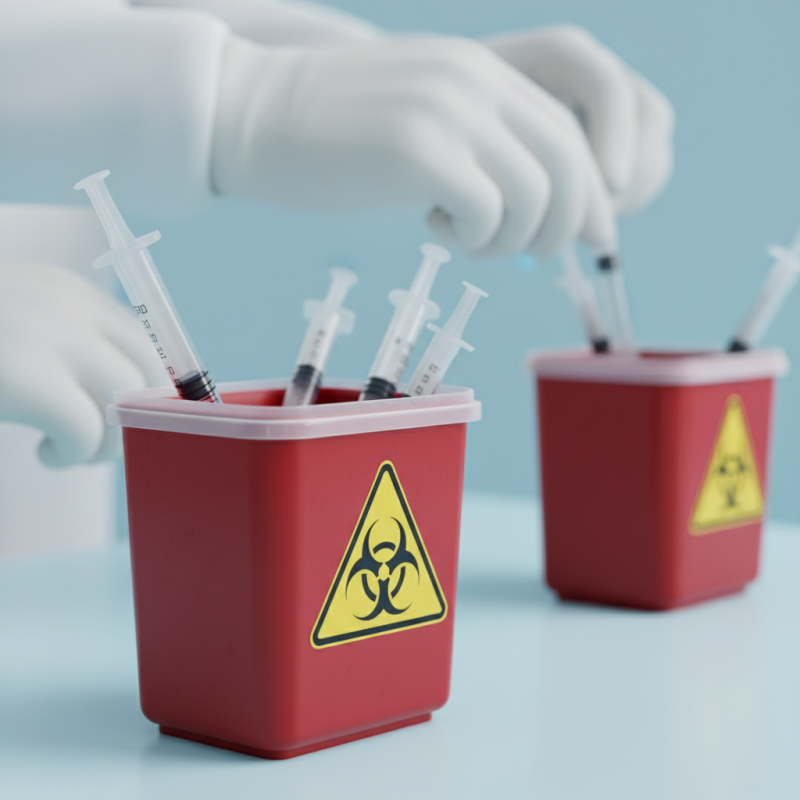
One effective way to dispose of syringes is through needle disposal containers. These containers are puncture-resistant and specifically designed for sharp objects. Healthcare professionals often use them, but home users should invest in one too. Data from the National Institute for Occupational Safety and Health (NIOSH) indicates that using these containers decreases injury rates by 76%. After filling the container, users should follow local guidelines for disposal.

Another option is to utilize take-back programs. Many pharmacies and health departments offer these services. They collect used syringes safely, ensuring proper handling. The convenience of such programs encourages responsible disposal. However, participation can vary by location, leading to potential gaps in access. Addressing these gaps in community education could improve safety outcomes.

Guidelines for Home-Based Syringe Disposal Practices

Properly disposing of used syringes is vital for health and safety. Many households may not understand the risks involved. According to the CDC, around 1 million people sustain needlestick injuries each year in the U.S. This highlights the importance of safe disposal practices.

Home-based syringe disposal demands careful attention. An effective method is to use a sturdy container, like a plastic bottle or a puncture-proof sharps container. These containers should have a secure lid. Always label it clearly to avoid accidental injuries. Fill the container only to three-quarters full to prevent overflows. Once it's full, follow local regulations for disposal. In some areas, designated drop-off locations are available. This option lowers the risk of exposure for sanitation workers.

Education on syringe disposal remains inconsistent. Many struggle with confusion about the correct methods. A study showed only 40% of individuals dispose of syringes properly. This underlines the need for better awareness and resources. Engaging communities in discussions on disposal can foster safer environments. Sharing information can reduce the unexpected hazards linked to improper disposal practices.

Identifying Local Disposal Services and Programs

When dealing with used syringes, it is crucial to find local disposal services. Many communities offer safe disposal programs. These programs help protect the environment and public health. Contact your local health department for options in your area. They often have resources and personnel who can guide you.

Some pharmacies and hospitals also provide disposal programs. These facilities may have drop-off locations or special events. It's essential to ensure you’re disposing of syringes correctly. Using a sharps container is one method, but it may not be enough. Checking for local regulations is a good step. Each region has different guidelines, and staying informed is vital.

Finding reliable information can be challenging. Look for community bulletins or social media groups dedicated to health and safety. It’s important to discuss and share experiences with others. Learning from individuals who have faced similar issues can be valuable. Always seek trustworthy channels to enhance your understanding of proper disposal. Awareness is key to preventing accidents and ensuring safe practices.

Environmental Impact of Improper Syringe Disposal

Improper disposal of used syringes poses significant environmental hazards. According to the World Health Organization, millions of injections are given worldwide daily. Improper disposal can lead to contamination of land and waterways. Used syringes can carry infectious agents, risking public health. Additionally, when disposed of incorrectly, syringes may become a danger to wildlife, who could be harmed by sharp objects.

Tips for proper disposal include using FDA-approved sharps containers, which are designed to prevent needle-stick injuries. Many communities offer free or low-cost disposal programs. It’s essential to check local guidelines for specific rules and recommendations regarding syringe disposal. Always avoid throwing syringes in regular trash or flushing them down toilets.

Educating ourselves and others about the environmental impact of careless disposal is vital. A survey by the Environmental Protection Agency shows that many people are unaware of the consequences of improper syringe disposal. Increasing awareness can lead to better practices. Engaging local authorities in discussions can also help create safer disposal methods within communities.

FAQS

: Why is proper syringe disposal important?

: Proper disposal prevents infections and injuries. It protects public health by reducing risks from improperly discarded syringes.

What risks do discarded syringes pose?

Discarded syringes can lead to needle stick injuries. They may expose individuals to diseases like HIV or hepatitis.

How should used syringes be disposed of at home?

Use a sturdy, puncture-proof container. Label it clearly and fill it only three-quarters full for safety.

What happens when syringes are improperly disposed of?

Improper disposal increases chances of accidents. It may create public safety hazards in community spaces.

Why do some people dispose of syringes carelessly?

Lack of knowledge or convenient options leads to careless disposal. Many don't understand the associated risks.

How can communities improve syringe disposal practices?

Education and awareness programs can help. Local resources like disposal sites encourage correct practices.

What are common misconceptions about syringe disposal?

Many believe any trash bin is acceptable. This misunderstanding can endanger public health and safety.

What should be done once a disposal container is full?

Follow local regulations for disposal. Many areas have designated drop-off locations for safe syringe disposal.

Conclusion

Proper disposal of used syringes is crucial for protecting public health and the environment. Understanding how to properly dispose of used syringes not only prevents accidental injuries and potential infections but also minimizes environmental hazards associated with improper disposal. Safe disposal methods include utilizing designated sharps containers, participating in local disposal programs, and following specific guidelines for home-based syringe disposal practices.

To ensure the effective management of used syringes, individuals should identify local disposal services that offer safe collection and treatment options. Moreover, educating communities about the environmental impact of improper syringe disposal is essential in fostering responsible practices. By adhering to these recommendations, we can safeguard our health and preserve the environment for future generations.

Liam

Liam

Liam is a dedicated marketing professional with a profound expertise in the industry, where he excels at highlighting the unique advantages of our core products. With a keen understanding of market trends and consumer needs, Liam frequently updates our company’s professional blog, providing......