Auto-disable syringes are a crucial innovation in safe medication delivery. They provide an effective solution to prevent reuse and reduce the risk of infections. Many healthcare professionals wonder, “how do auto-disable syringes work?” These syringes are designed with a self-locking mechanism that activates once the injection is completed.
The mechanism is straightforward yet ingenious. After the injection, the plunger locks in place, rendering the syringe unusable. This design prevents accidents and promotes safety. It alleviates concerns about needle-stick injuries, a common issue in healthcare settings. However, some healthcare workers may still be unfamiliar with their use.
Understanding the functioning of these syringes fosters confidence among practitioners. The effectiveness and reliability of auto-disable syringes hinge on proper training. While they significantly contribute to safer practices, challenges in implementation remain. Awareness and education are essential for maximizing their benefits.
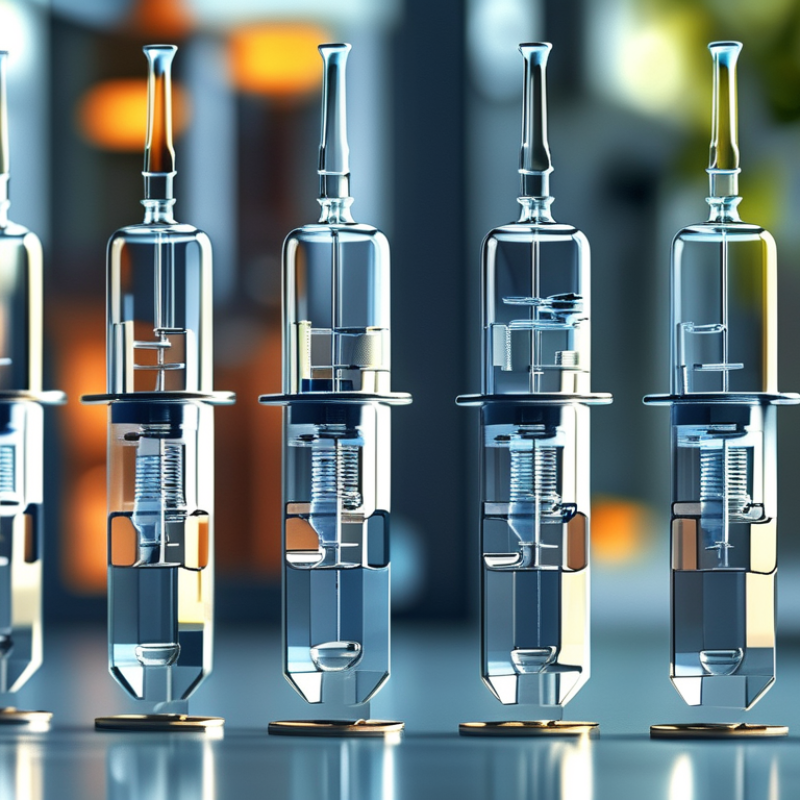
Auto disable syringes (ADS) have become a vital tool in modern healthcare. These syringes help prevent the reuse of needles, addressing a significant concern in medication delivery. According to the World Health Organization, unsafe injection practices contribute to an estimated 1.3 million deaths annually. By using ADS, healthcare providers significantly reduce this risk. The design allows for automatic needle retraction or locking after a single use, which limits the chance of accidental needle stick injuries.
Healthcare professionals should understand the benefits and limitations of these devices. While ADS enhances safety, there is variability in their effectiveness. Reports suggest that user error can still occur during administration. Training and education are crucial in ensuring proper use. Adopting best practices can mitigate risks.
Tips: Always check the syringe before use. Ensure it is functioning correctly. Confirm the device’s safety features are activated. Training sessions on ADS use can empower staff. Continuous monitoring and updates are essential for adherence to safety protocols.
Auto disable syringes (ADS) are designed to enhance safety during medication delivery. They prevent the reuse of syringes after a single use. This feature reduces the risk of cross-contamination and infection. In many healthcare settings, ADS play a critical role in maintaining hygiene. They are particularly useful in emergency situations where quick action is vital.
The mechanism of action is simple yet effective. Once the medication is delivered, a built-in mechanism prevents the plunger from being pulled back. This design eliminates the chance of accidental reuse. Many ADS models are equipped with a visual indicator, showing when the syringe is locked. This offers a clear cue to healthcare providers, ensuring safe disposal.
However, there are challenges associated with ADS. Some users find them less intuitive than traditional syringes. Training may be required to ensure proper use. Additionally, not all ADS are created equal; discrepancies in quality can lead to failures. The effectiveness of ADS can vary widely. Continuous research and feedback are essential in improving these devices. As with any medical tool, constant evaluation and adaptation are needed to enhance safety and reliability in medication administration.
Auto-disable syringes (ADS) are gaining attention in healthcare for their safety features. These devices prevent reuse by automatically disabling after a single use. This crucial feature helps limit the risk of infections and cross-contamination. According to a report by the World Health Organization (WHO), using auto-disable syringes can significantly reduce the incidence of hepatitis and HIV transmission in healthcare settings.
The benefits of ADS extend beyond infection control. Their design enhances efficiency during medication delivery. A study from the Journal of Injection Safety noted that employing ADS can decrease needle stick injuries by up to 90% in hospital environments. Reducing injuries protects healthcare workers and improves patient safety. However, the transition to using these syringes is not without challenges. Issues like affordability and proper training for staff can complicate their implementation.
Incorporating ADS can enhance the overall healthcare experience, but there remains room for improvement. The development of more cost-effective solutions is needed to ensure wider adoption. Additionally, ongoing training programs should be prioritized to familiarize healthcare personnel with best practices. By addressing these challenges, the healthcare industry can fully leverage the advantages of auto-disable syringes for safer medication delivery.
| Feature | Description | Benefits |
|---|---|---|
| Auto-Disable Mechanism | Syringe automatically locks after a single use to prevent reuse. | Reduces risk of needle-stick injuries and infection. |
| Safety Design | Built-in safety features minimize user error. | Enhances patient safety and confidence in medication administration. |
| Ease of Use | Simple design allows for straightforward handling. | Increases efficiency in healthcare settings, leading to quicker patient care. |
| Cost-Effectiveness | Potential to reduce costs associated with complications from needle reuse. | Long-term savings for healthcare providers by minimizing waste and healthcare-associated infections. |
| Environmental Impact | Designed to be disposed of safely to reduce environmental risks. | Supports sustainability initiatives in healthcare. |
Auto-disable syringes (ADS) represent a significant advancement in medication delivery, particularly when compared to traditional syringes. These devices are designed to prevent reuse. Research shows that up to 16% of healthcare workers have reported syringe reuse, especially in low-resource settings. This practice drastically increases infection rates. The World Health Organization emphasized that proper use of ADS could reduce needle-stick injuries by more than 50%.
In addition to improving safety, auto-disable syringes enhance efficiency. A study in the “Journal of Global Health” revealed that using ADS decreased the risk of transmission in vaccination campaigns by 70%. These syringes automatically lock after a single use. This design minimizes human error, ensuring that each dose is administered safely. However, the initial costs can be a barrier for some healthcare facilities. Industry experts note that the long-term savings on infection control and waste management often outweigh these costs.
Despite the benefits, challenges remain. Not all healthcare workers are trained to use these syringes effectively. Studies indicate that improper handling can still lead to issues. Furthermore, the push for global adoption requires ongoing education and investment. The need for reliable supply chains is also critical. Overall, the health sector continues to explore ways to further improve the safety and efficiency of medication delivery systems.
Auto-disable syringes represent a significant advancement in medication delivery systems. Their design prevents reuse, which is crucial in reducing risks of infection. This mechanism also promotes safe disposal, important in healthcare settings. As safety concerns grow, the need for innovation in syringes becomes clear.
Future developments may include smart technology integration. Imagine syringes that track doses or monitor patient reactions in real time. This could enhance patient outcomes significantly. However, challenges remain. The cost of developing these technologies could hinder widespread adoption. Additionally, training healthcare professionals to use advanced syringes effectively will be required.
Research continues to explore biodegradable materials for these devices. Such innovations could lessen environmental impacts while maintaining safety. These steps are worth considering, even if they are not fully realized. The journey toward perfecting auto-disable syringes is ongoing, but each advancement brings us closer to safer healthcare practices.
: Auto-disable syringes are designed to enhance safety and prevent reuse after a single use.
After medication delivery, the plunger locks automatically, ensuring the syringe cannot be reused.
They reduce the risk of infection and needle-stick injuries, especially in low-resource settings.
Yes, some users find them less intuitive and training may be needed for proper usage.
They prevent reuse and enhance safety, reducing transmission rates by up to 70% in vaccination campaigns.
Innovations could include smart technology that tracks doses or monitors patient reactions in real-time.
They could reduce environmental impact while maintaining safety, although not all solutions are fully developed yet.
Improper handling can lead to problems, indicating a need for ongoing education in healthcare settings.
Initial costs may be high, but long-term savings on infection control can offset these expenses.
It helps improve the reliability and safety of these devices in medication administration.
Auto-disable syringes are innovative devices designed to enhance safety in medication delivery. Their primary purpose is to prevent reuse, thereby minimizing the risk of infection and ensuring proper dosage administration. So, how do auto-disable syringes work? These syringes utilize a mechanical locking mechanism that activates after a single use, rendering the syringe inoperative. This smart design not only improves patient safety but also encourages responsible disposal practices.
The benefits of using auto-disable syringes in healthcare are significant. They reduce the likelihood of needle-stick injuries among healthcare providers and eliminate the danger of cross-contamination. In comparison to traditional syringes, auto-disable syringes offer superior safety and efficiency in medical settings. As technology advances, future developments in auto-disable syringes are expected to further enhance their functionality and user experience, potentially integrating smart features for monitoring and tracking purposes.

JZCare Syringe